The joy of banca diving

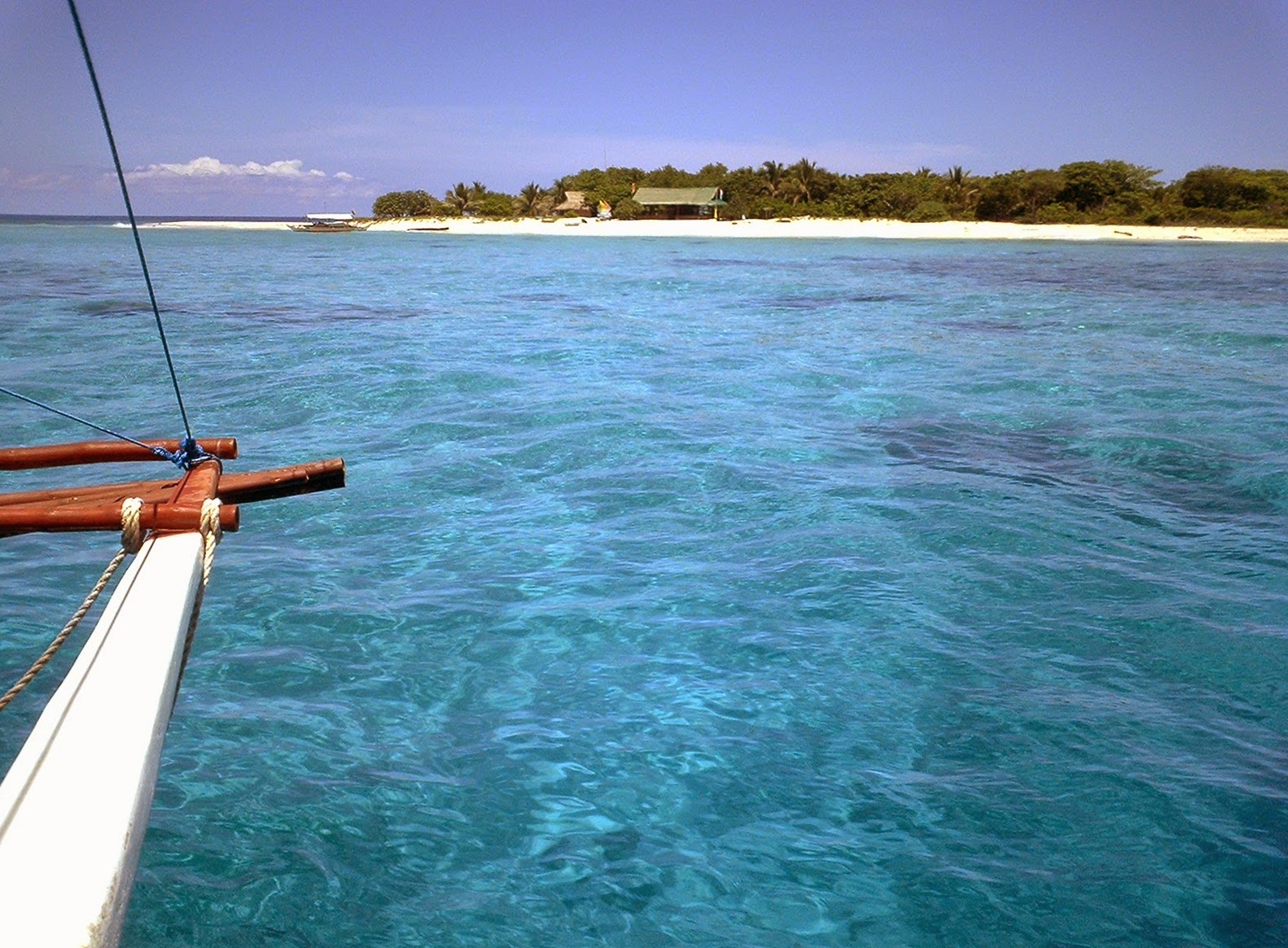
The outrigger style banca boat is common throughout the Philippines; I love diving from these boats with their outriggers lashed together with fishing line keeping the narrow hull stable. Landing on Apo Island after the first dive, we took our lunch on the banca before heading over to wander the beach and look around the village.

Diving in Anilao, the surface interval saw us come ashore after landing on the back beach to walk around to the main beach on the island, the scenic locations surrounding the dive sites make for a great day out.

Cruising around Pandan Island, the beautiful clear waters of this remote island provide great sloping dive environments. The banca would drop us off at the site and we would swim back to the shore following the bottom topography.

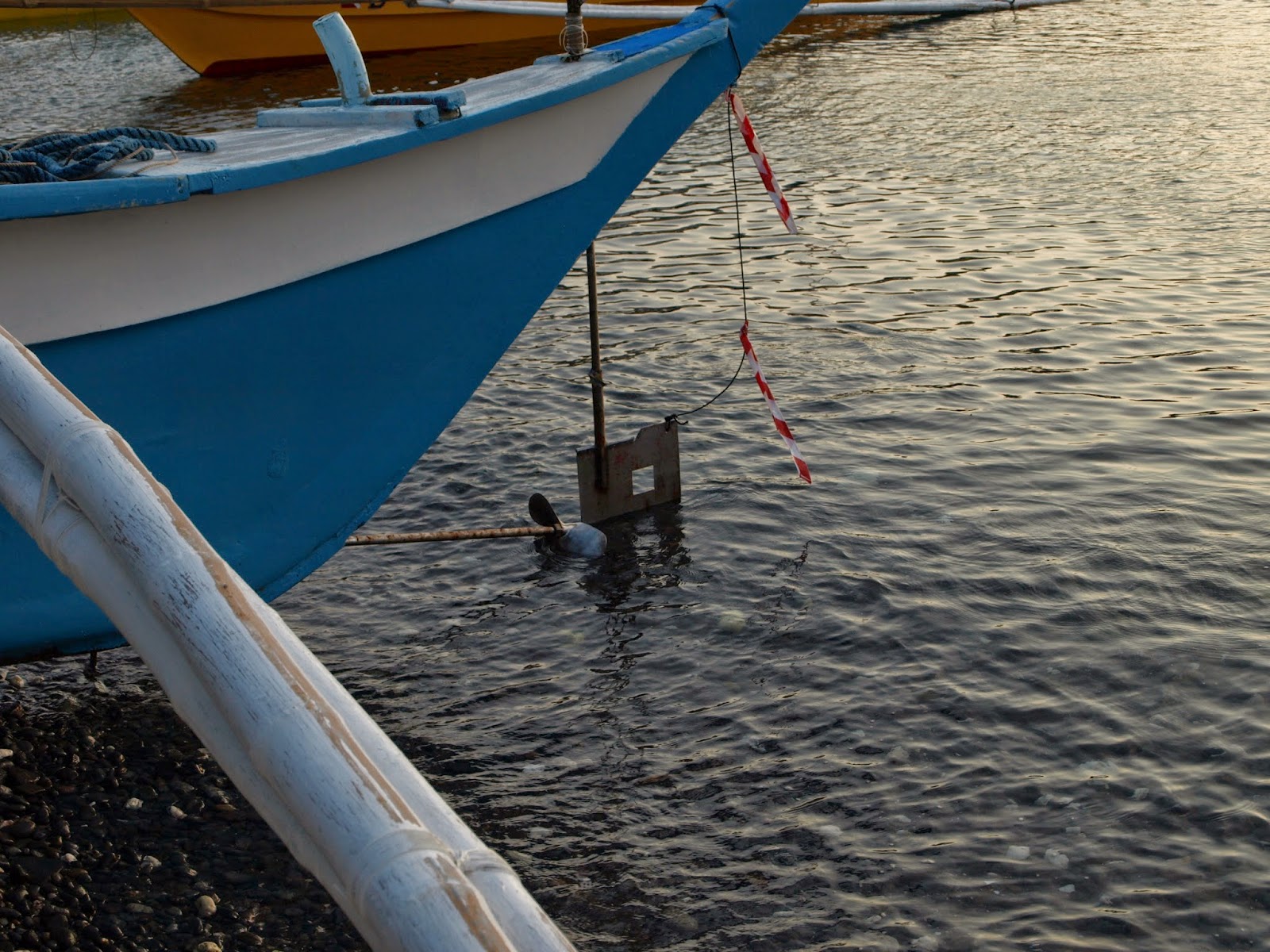
A larger style banca at Sogod Bay, Leyte carries us across the bay to the walls, this larger style banca is pretty stable and very powerful. The locals take an old diesel engine from a truck that has been scraped and bolt it in the hull transmission and all, they connect the drive to the propeller shaft and they have propulsion.

This small banca doesn’t offer a whole lot of shade protecting us from the beautiful Filipino summer days, we were crammed under the shade before getting back in the water.

Bancas are built for their environment; the small propeller and shaft is mounted almost perpendicular to the keel, the small rudder makes steering difficult, these boats can navigate extremely shallow water, an essential trait in these high tidal areas.

2010 Leeuwin Estate shiraz

A winter’s evening and Friday night, a good enough reason to stop off on the way from work, this was the first time at this bottle shop to purchase a bottle of wine; I immediately regretted turning off the road and walking into this place – this wasn’t a great establishment to be purchasing top level wines. Still, for the wrong price and poor service, I walked out the door with a 2010 Leeuwin Estate Shiraz.

The art series shiraz displays notes of cherry with mulberry layers on the foretaste with smooth oak notes holding the central palete together and dark chocolate providing complexity in the aftertaste. The tasting notes state violets, toasted brûlée with hints of mocha add elegance and sophistication – all in all, I thought this was a pretty good wine and I will purchasing more in the future.

Dames & knights – a thowback to a bygone era

What was Tony Abbott thinking? Abbott never consulted cabinet, yet he reintroduced monarchical titles that had been retracted since the Whitlam era. Had Abbott consulted cabinet, the answer would have been a resounding – NO.

Yet Abbott decided to push forward with knights and dames anyway. Now that Tony Abbott has been deposed as the third Prime Minister in five years through an internal vote. Will republican Malcolm Turnbull immediately repeal knighthoods? I can’t see such a title remaining long in Turnbull’s Prime Ministership. There is no need for such titles in the modern Australian society – what Gough Whitlam did was brush aside outdated ideals.

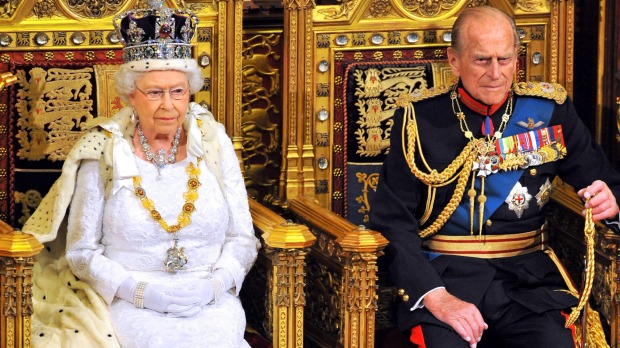
Liberal Prime Ministers Malcolm Fraser and John Howard refused to reintroduce knighthoods; not only that, Tony Abbott not only reintroduces such an award, he then goes and knights Price Phillip for services to Australia – you have to be joking. When Joe Hockey informed us the age of entitlement was over, who would have guessed it would be replaced by the age of titlement.

A Parisian ending

Who in their right mind goes to Paris to break up? I do apparently. This was the sad end to the defining relationship in my life, how did it come to this? Well, I don’t know exactly, I can only reflect on the events leading up to Paris.

Back track three months to Morcone Beach, Elba, Italy. We had been apart, I felt like I was now in exile, I had been bundled off from Zurich, never to return. My departure from Zurich bahnoff had been one of resignation, it looked like the end for us. Yet after a month or so into my exile, a change of heart; she jumped in her dark green Mitsubishi Colt and driven south from Zurich to Elba. The reunion though wasn’t as I had expected, I was understandably defensive and somewhat aloof.

So here we were, sitting on the rockface surrounding Morcone Beach, tears streaming down her swollen eyes shaded by sun glasses; her words rang out “I can’t marry you.” While I pointed out that before she can reject a marriage proposal, it is universally accepted that first, I actually have to propose. While that principle was largely ignored by her, I fully understood the ramifications.

So we entered into this pact, I would return to Zurich with her and we would not discuss this moment ever again, we would go about our relationship as if each day was the last. We would enjoy each moment for what it was; the Swiss are wonderfully pragmatic and less wonderfully so, dogmatic.

That was however if she didn’t have a change of heart, our relationship officially had an end date, if she wanted, she could just say so and our relationship could move to the next level. I had a ticket departing from Charles de Gaul and when I left, that would be it. I kept my end of the bargain, there was no relationship hassles, no awkward questions, no stress. I went about our business as if nothing had happened, I was sad but I wasn’t going to express that emotion in front of her.

So here we were at Paris Orly, her departure was a day before mine, we had silently caught a bus together to the airport. I walked her to the departure gate and that is when the verbal assault erupted, “How could I be so unfeeling as to show no emotion?” and “Why didn’t I discuss this relationship with her?” I was in disbelief, I did what she asked, her anger had now boiled over and then more disbelief, she was waiting for me to discuss with her our relationship, she didn’t want this relationship to end after all.

I should have picked up before that, she pointed out that when we first arrived in Paris and stood on a bridge viewing the Eiffel Tower, she started to cry. Well yeah, I noticed her crying but I quickly dismissed it out of hand, she is difficult to understand, we were already in Paris by this stage and she had given no indication before that.

So in scenes reminiscent in my mind of the ending of Casablanca, she headed towards the boarding lounge and I was left to round up the usual suspects. We had however put on quite a show, this wasn’t our first airport scene and I had the feeling this was the beginning of a beautiful relationship.

So ok, there was no fog, no guns drawn and I didn’t view the whole scene in black & white – I still think this scene was noteworthy. We were back on, that’s all that mattered. The day after, I headed off to Charles de Gaulle airport, I had to be back in Perth for the wedding of my brother and his soon to be wonderful wife on the banks of the Swan River at midday, there was plenty happening for me to take my mind off this unusual encounter.

The 2001 Vasse Felix Classic Dry Red

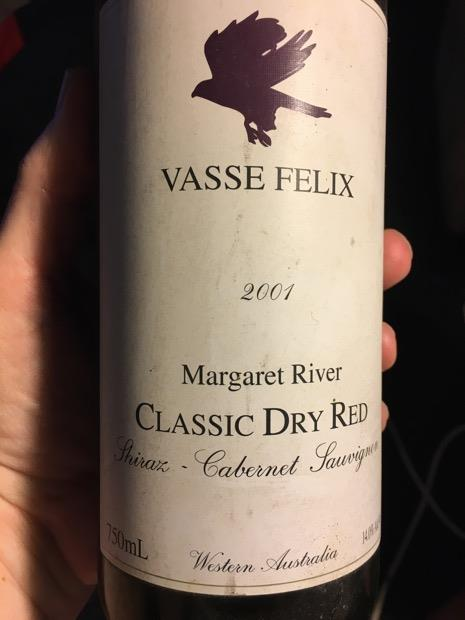
I was a big fan of the Vasse Felix Classic Dry Red range of wines for a long time, the older vintages back in 2001 were Shiraz/Cabernet Sauvignon blends. They also had a Cabernet Merlot that was a step up in price and quality, but somehow I preferred the Classic Dry Red more as a quaffer. It was not a fine wine by any means, it was never meant to be and was great value for money. 

Vasse Felix now markets their substantial wines under four collections of Icon, Premier, Filius and Classic. Vasse Felix produces some pretty amazing drops from their Tom Cullity and Heytesbury ranges, they are pretty expensive though. At $20 per bottle, this is a decent drop of Margaret River winemaking, this had been matured for 9 months in French and American oak cask.

The 2001 was rated at 88/100 and had 14% alcohol, was dark red in colour and blackcurrant palette with a slight violet aftertaste. I found the tannins in the Classic Dry Red to be a little tannic in the aftertaste, it did not have big legs and was not a cellaring option, this was a drink now wine that was purchased on the way to a barbecue or dinner with friends.

Delayed again

Singapore Airlines has done it again, we have gone past our departure time, no announcements – nothing. The Singapore Airlines staff are all huddled up the end of the departure lounge joking and laughing – what about some customer service and tell us what is going on?

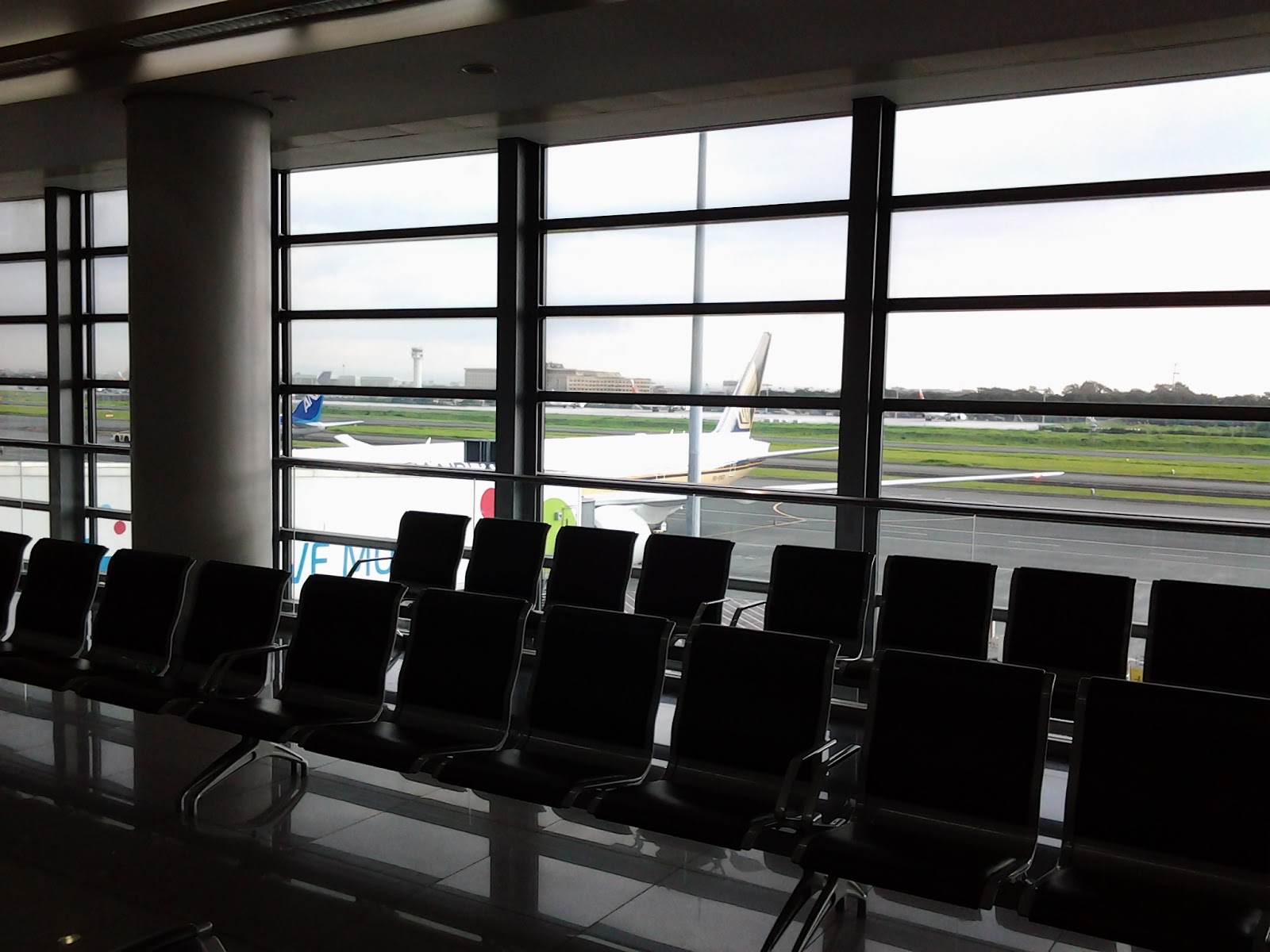
We look out of the glass of the departure lounge and we can see the aircraft parked at the loading area. We can see doors open and activity going on, we know the aircraft isn’t delayed – it is there in front of us. What is delayed is boarding, that then delays our departure and while they can burn more fuel and arrive on time, I know they won’t.

I have connecting flights and pick-ups arranged; the connections are tight, delays mean I miss connections and I will have to cancel pick-ups from the destination airport. I have to be at work tomorrow; this affects my employment too, they don’t seem to understand that. As passengers, we understand that delays take place from time to time; how about treating your customers with respect and let them know what is going on.

This is becoming typical arrogant Singapore Airlines behaviour; people are wandering up to the counter to find out what is going on, we are 30 minutes past our departure time, not boarding time and we still don’t know what is going on. This is not a budget airline, this is a full service airline, this is what you pay for yet you are treated as a budget airline customer.

Dive Bali

While not universally known for its diving, Bali has plenty to offer the travelling diver. While the majority of divers are in Bali on stop overs for more exciting locations throughout the Indonesian archipelago, a number of sites offer some interesting areas of diversity.

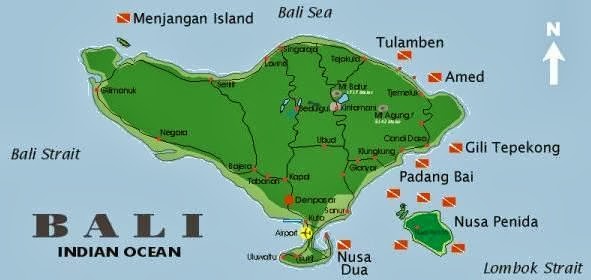
Heading up to Tulamben is well worth the drive for the fabulous Liberty wreck, likewise, just nearby is Tulamben Wall. Not far from Tulumben is Amed, a great place to stay with plenty of dive opportunities, small guest houses and accommodation and great restaurants. For me, my favourite choice of dive sits is Menjangan Island on Bali’s north west coast, less frequently dived due to its long trip from Kuta, this excellent site is mostly overlooked by the crowds.

A boat trip allows divers to access the waters around Nusa Penida, this area is known for drift diving due to its ripping currents, Mola Mola are sighted in this area during distinctive seasons and well worth a look. I don’t care much for diving around Nusa Dua, this shallow water region is located close to the five star resorts of Bali and is outrageously expensive for a mediocre dive in warm water – best to avoid.

OpenOffice

What a great open source office suite this software program is; OpenOffice is based on StarOffice software purchased by Sun Microsystems for internal use. Naturally, OpenOffice software is a competitor for Microsoft’s Office Suite so I hope more businesses get on board to support the product, Microsoft has firm control of the market. Google is challenging the Microsoft domination – this is an interesting tussle.

The program is good, whilst compatibility issues are still present one hopes businesses are willing to take the program on board and run with it. Microsoft have traditionally held the absolute market share, new entrants to the market have the opportunity to erode the market dominance of Microsoft. It is not that I am a Microsoft hater, I just want to see competition in the market, in fact, I am a huge fan of what the Bill Gates Foundation has achieved in regards to philanthropy and social justice.

I like the program, it is simple, reliable and works well. Not only that, it creates competition in the market and whilst I envision big businesses maintaining Microsoft products, the real driver could be small to medium businesses driving the program support. This is a decent program, is it as powerful as the Microsoft suite, I don’t think so, what I know is the program is user friendly and sufficient, you have to learn the program but that is not that difficult to master.

Core values of the Australian Liberal Party

The Liberal Party is a centre right political party founded in 1944 by Sir Robert Menzies, the longest serving Australian Prime Minister from 1949 to 1966. The Liberal Party first rose to power in 1949 after the initial election loss in 1946 and remained in office until 1972, a period of 23 years – the longest unbroken run in Australian political history. The political party was named Liberal for its associations with progressive nineteenth century free enterprise and social equality ideals.

The ideological framework and core values of the Liberal party is built on the foundations of freedom, choice and enterprise. There has been a narrative presented that the Liberal party is the party of big business, this could not be further from the truth as all major political parties deal with large business, the Liberal party represents small to medium business encouraging entrepreneurship and free enterprise. 

The Liberal party represents the middle class of Australia deemed then as the forgotten people, although a narrative has been put forward that the party represents the upper classes, this is simply not true. During formation, party leadership shared a common belief that Australians should be given greater personal freedom and choice than that what was offered under post world war two socialist plans. Robert Menzies believed the time was right for a new political force in Australia – one which fought for the freedom of the individual and produced enlightened liberal policies.

Citing Robert Menzies, Senator George Brandis stated at the Alfred Deakin lecture at the University of Melbourne “As the etymology of our name ‘Liberal indicates, we have stood for freedom. We have realised that men and women are not just ciphers in a calculation, but are individual human beings whose individual welfare and development must be the main concern of government … We have learned that the right answer is to set the individual free, to aim at equality of opportunity, to protect the individual against oppression, to create a society in which rights and duties are recognised and made effective.”

The Australian Labor Party

The Australian Labor Party is a democratic socialist party with the stated objectives of the democratic socialisation of industry, production, distribution and exchange. In short, the Australian Labor Party seeks to eliminate exploitation and other perceived anti-social features of capitalism. The Australian Labor Party is a centre/left political persuasion forming the political wing of the Australian Council of Trade Unions.

Immediately following the aftermath of the first world war and the Russian Revolution; support for socialism grew in trade union ranks with the formalisation of the socialist objective in Australia. Originally registered in 1908 as the Australian Labour Party inspiring trade union representation of the division of labour, the name was changed to the American spelling of labor in 1912 signifying the influence of the American trade union movement. 

Incumbent Labor governments have not attempted the democratic socialisation of any industry after the Chifley government spectacularly failed to nationalise private banks immediately in the aftermath of the second world war. Not only did the Chifley government lose government, the Australian Labor Party remained in the political wilderness until 1972, a period of 23 years.

The highly competent Hawke government of the 1980s and early 1990s implemented the Campbell report into the Australian Financial System floating the Australian dollar, deregulation of the financial system that saw foreign banks established in Australia, further opening up the tariff system, ended government subsidation of loss making government industries and privatisation of government departments and assets.

The irony of the Hawke government position saw government deregulation and a number of high profile privatisations of government assets including the Commonwealth Bank and Qantas directly opposing Labor party doctrine – yet, the Hawke government was the most successful Labor government.