We of the Never Never

In my opinion, We of the Never Never is one of the greatest Australian movies filmed. Based on the book of the same name by Jeannie Gunn; her personal experiences on Elsey Station in the Northern Territory in 1902 provides a stunning account of the era.
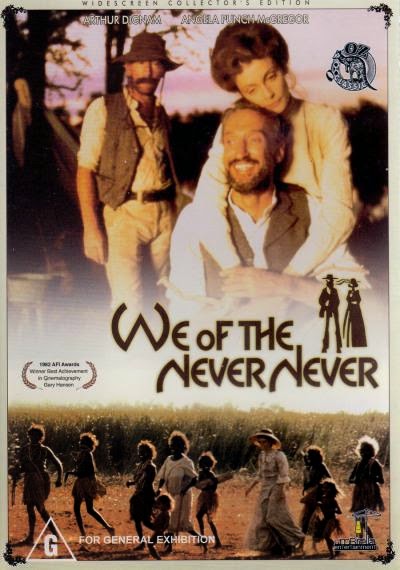
Staring Angela Punch McGregor and Arthur Dignam, the story is based on Aeneas Gunn becoming the manager of a cattle station. With Jeannie Gunn moving from suburban Melbourne with her husband, she was forced to quickly learn to deal with both the headstrong station hands and interact with the local aboriginal population. Her attempts to modify the thinking and behaviour of the hardened station men whilst learning the ways of the aboriginal culture saw her gain acceptance in both groups despite the mutual distrust of the station hands and aboriginal population.

While not a direct remake; Baz Luhrmann’s Australia attempted to recreate much of the feeling of We of the Never Never; although sporting a quality cast staring Hugh Jackman and Nicole Kidman, the movie unfortunately failed. The amazing cinematography of the 2008 released Australia set in the Kimberly region of Western Australia matched the 1982 production of We of the Never Never with advances in filmography; however, the plot was just terrible and can’t be compared.

However, unlike the $2.5 million budget of We of the Never Never, the weak story line of the $130 million budgeted Australia was actually historically incorrect – possibly manufactured for international audiences and poorly educated locals. Ironically, Arthur Dignam also acted in Luhrmann’s Australia with Luhrmann’s attempted masterpiece; unfortunately never soaring to the heights of Igor Auzins’ timeless classic.
Cigarette butts everywhere I look

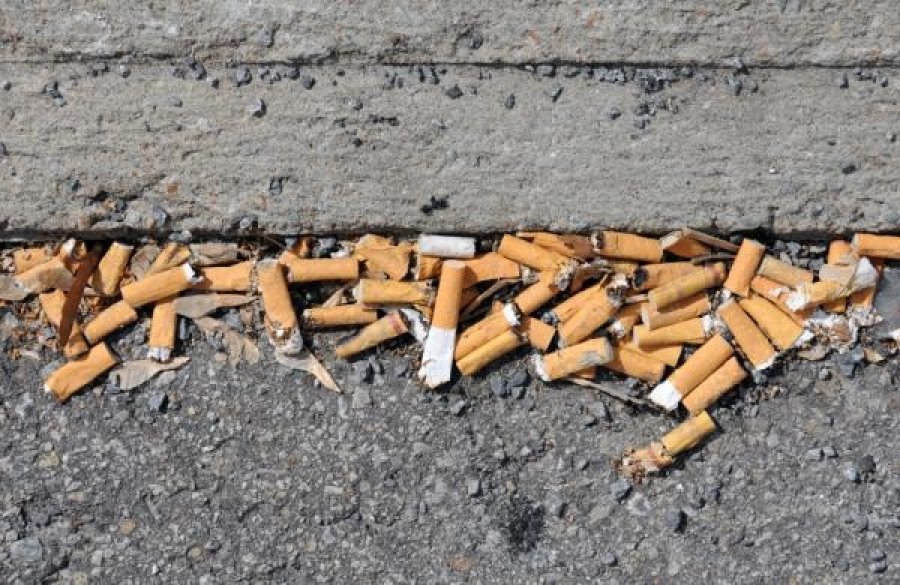
What is it with smokers and pushing their filthy habit on everyone? I live reasonably close to a train station so I see continually walking down the street having a smoke. I don’t mind people having a cigarette in open air whilst they are walking but why do they think they can just drop their butt on the footpath in front of my house? Why can’t they carry their used butt in their hand until they reach a rubbish bin?

Why can’t smokers dispose of their cigarette butts correctly? Why do they need to throw their rubbish around and not only make the place look like a rubbish tip, it is harmful to the environment as the butts wash into drains and out to sea. There needs to be greater awareness of what happens to cigarette butts and on-the-spot fines needs to be increased to act as a real deterrence. 

Macquarie Bank – the millionaire’s factory

I have an interest in finance despite having never worked for a retail bank, merchant bank, finance company or credit union. Yet I look on with interest at Macquarie and the famed reputation of the millionaire’s factory.

It has been rumoured that once you secure a contract at Macquarie, it takes approximately 5 years for the high flying consultants to become millionaires – that’s pretty impressive. I can only imagine that competition for places at Macquarie Bank and a job would be outrageously difficult to secure.

During my finance course plenty of manual calculations included net present value, present cash flow, discounted cash flow, the weighted average cost of capital, bond yields and market interactions, share markets, capital budgeting, inflation, interest rates and a whole load of other stuff that kept my head spinning.

The world of finance appears to be pretty lucrative, so one has to ask what exactly what does Macquarie finance and where do they draw their funds from? I guessing that whilst many of these guys know the financial calculations, this is an position requiring the use of jargon yet the position is really a technical sales role – nothing more, nothing less.

aquaVenture dive resort – Mabini, Philippines

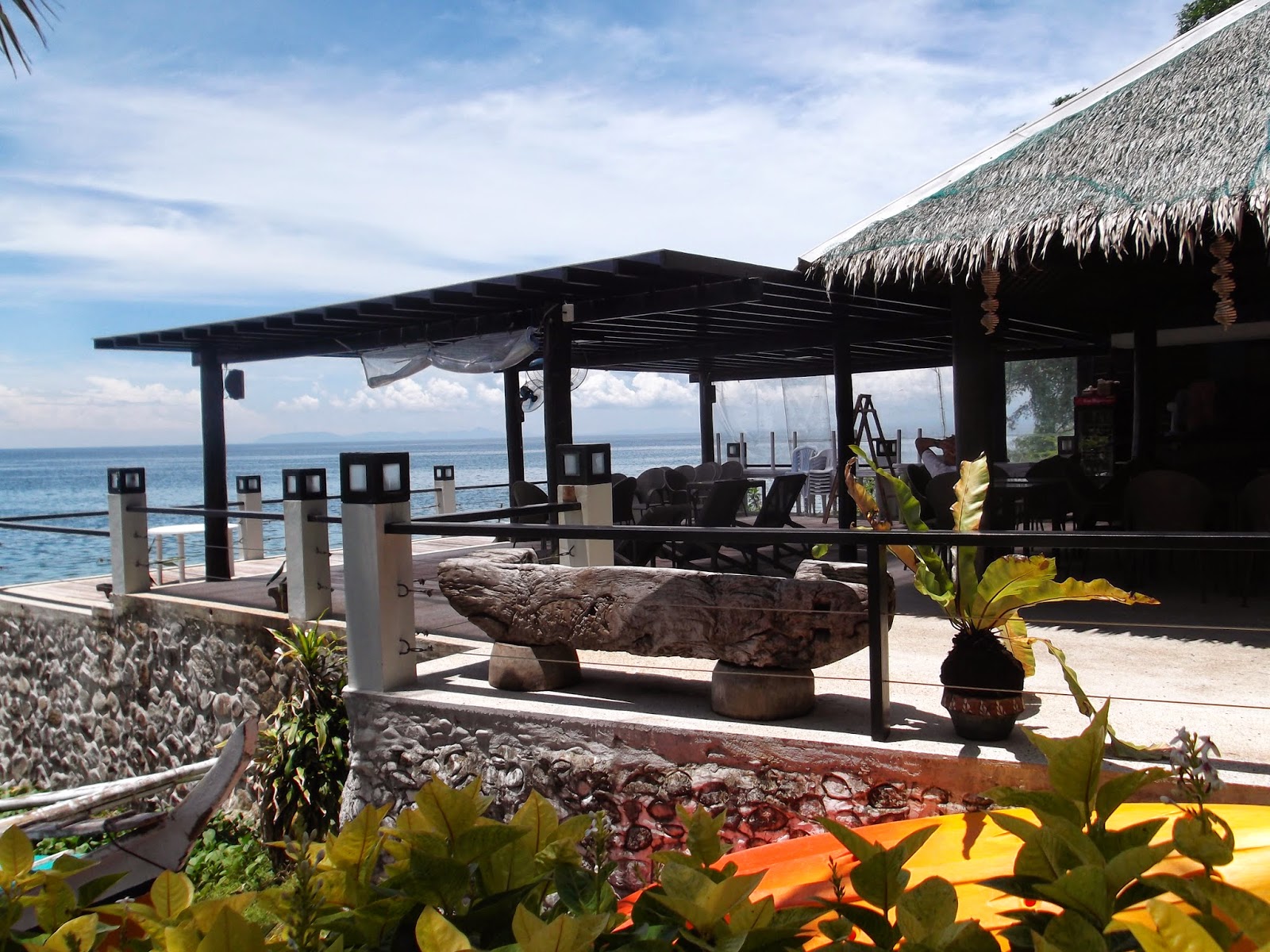
My first stay at aquaVenture dive resort was in 2012, my next trip to Anilao saw me staying elsewhere before returning to aquaVenture in 2014 as I absolutely loved the place. I now learn a 5.9 magnitude earthquake has devastated the area last Saturday night and Mabini has been closed down until further notice – fortunately, that was only short term.

My concern is not so much about the dive resort I love to stay when in Anilao but the people who live and work in the area whose employment and well being depends upon a vibrant tourism industry.

The resort is a dedicated dive resort, my preference is to stay during the week when the resort is close to empty as the weekends are full of Manila based divers down for the weekend. This gives me the opportunity to interact with the staff as I can sometimes be the only person staying in the resort. The weekends barely have vacant rooms so I usually depart on Friday afternoon after two morning dives leaving space available for Manila based divers.

My choice is based on logistics, the resort will take a banca boat out for a single diver and I am more than happy to dive from the smallest banca. Furthermore, I have the ability to choose dive sites, departure times and the number of dives per day, usually two before lunch before returning for lunch and a double dive in the afternoon.

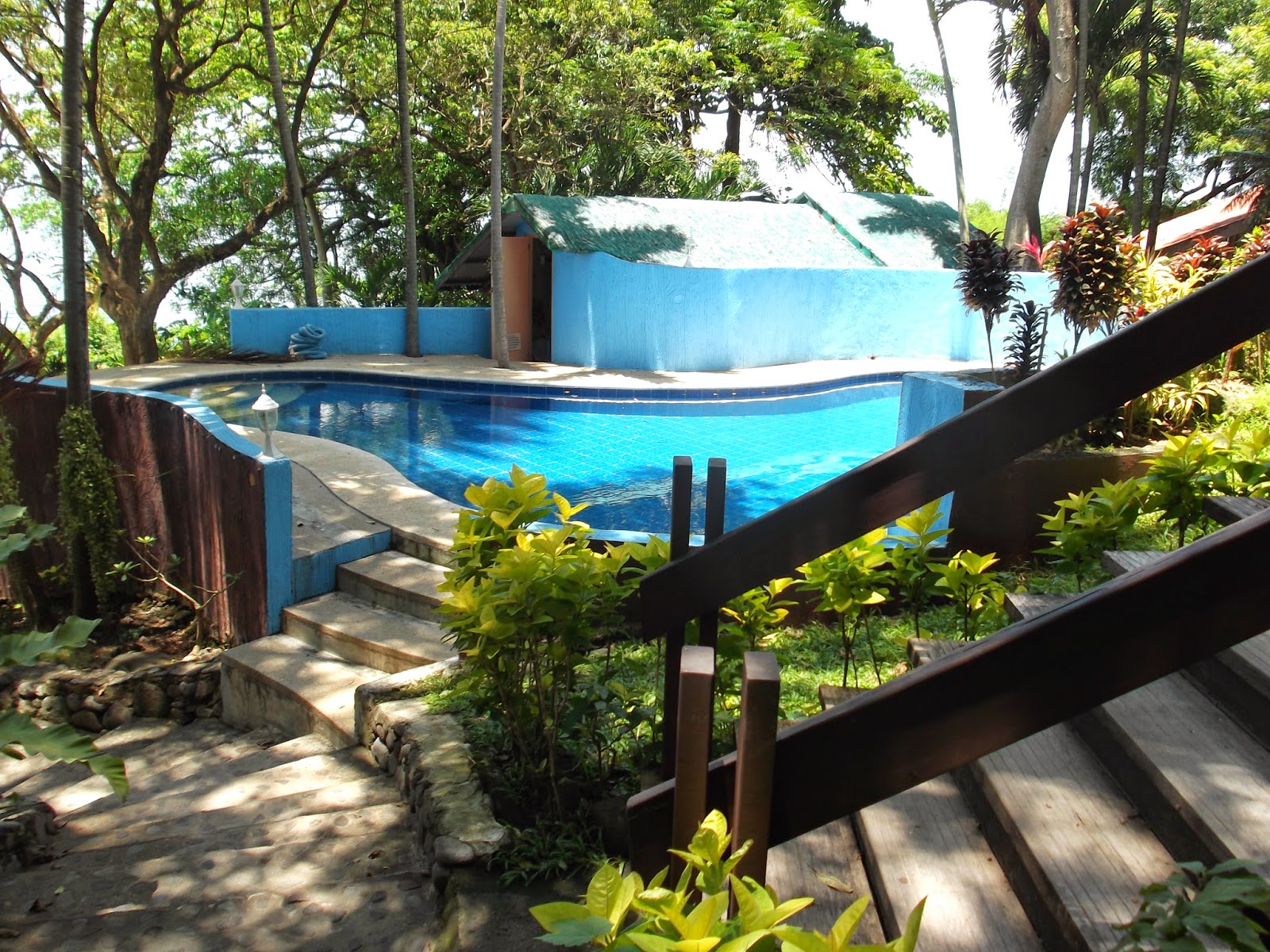
The pool area is pretty scenic although I prefer to not hang around there as the sundeck faces West with terrific sunsets on a daily basis. Although it is a hassle to get bottles of wine to Mabini, it is worth the effort sitting out on the sun deck watching an awesome sunset. I really hope aquaVenture is up and running again soon, all staff and family are safe and they have continued employment at this great dive resort.

Jakarta – a short trip from Perth

When I used to fly to Europe on a regular basis, once a year at least I was offered the option of stop-overs in cities like Bangkok, Jakarta, Singapore, Kuala Lumpur and Hong Kong. For some explicit reason I always preferred Singapore over the other cities. With the exception of Jakarta, I have visited these cities on a number of occasions and whilst I have been meaning to visit Jakarta, a trip has never eventuated.

With the advent of budget airlines such as Air Asia, Tiger, Zoot and Jetstar; the possibility of a short trip is suddenly an option. Is Jakarta really on my to do list? Nah, not really. From all reports, Jakarta is a dirty and over-populated city without much going for it. So why then? Well, Indonesia is Australia’s closest nation and an important trading partner.

Regardless of the state of Jakarta, it is an important regional city and I would like to visit all the important areas some time in my life. The same could also be said of Bangkok and Manila and I actually enjoy visiting Manila; once you know your way around and you become aware of the dangers of the city then traversing the city becomes more enjoyable. The only real question is when?

The Tissot PR100

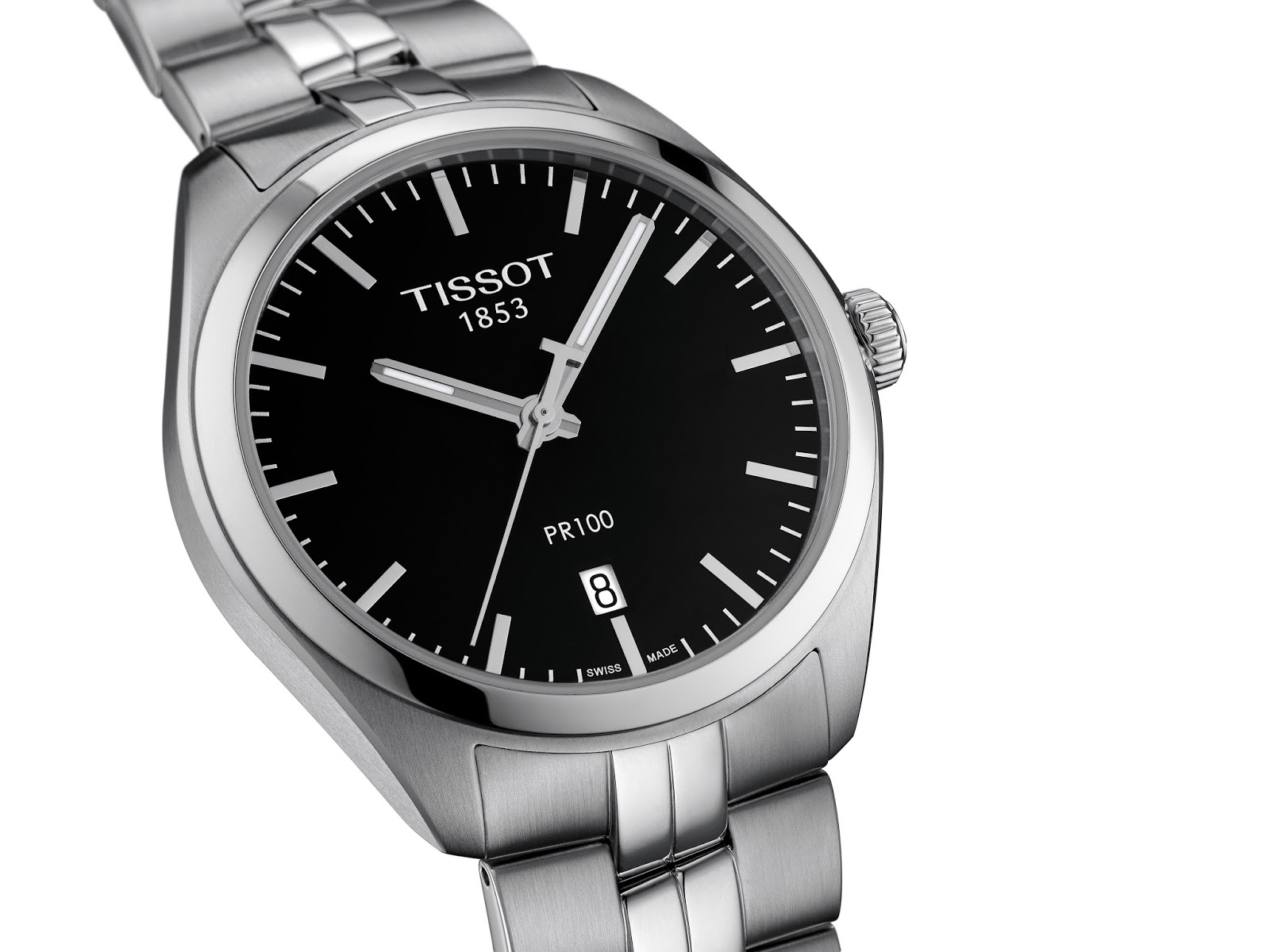
I enjoy wearing a reasonable quality watch on my wrist; as such, I prefer the timepiece built by the Swiss as their quality is unsurpassed. Tissot offers a quality product at a reasonable price, the PR100 was my first foray into the Tissot brand.

So one choice of timepiece is the Tissot PR100 from the T-classic range – this was my preferred dress watch. Whilst I have a number of dive watches that make excellent timepieces, I feel they lack the elegant simplicity that the PR100 offers, the PR is particularly robust. Tissot as a watchmaker has been around for a long time, dating back to 1853 with their facilities in Le Locle. What Tissot isn’t is a high end timepiece manufacturer such as Rolex, Breitling, Omega, Rado or Tag Heuer; they however produce quality merchandise at a reasonable cost.

Tissot and Omega merged in 1930 to form the Société Suisse pour l’Industrie Horlogère with Tissot concentrating on the medium price ranges leaving Omega free to pursue the luxury market segment. However, the company was under extreme pressure caused by the dual economic pressures of recession and stagflation in the late 1970s coupled with the heavy competition factor brought about by the Asian quartz movements.

Recent sponsorship of the timekeeping duties for the Australian Football League has seen the brand gain plenty of exposure in the Australian marketplace. Tissot sponsors a range of sports including the NBA, Tour de France and Moto GP among others. Tissot is a brand falling within the Swatch Group mid-range timepieces along with Certina, Balmain, Hamilton, Mido and Calvin Klein. The high range consists of Rado, Longines and Union Glashütte with the prestige brands of Omega, Blancpain and Breguet and the entry-level Swatch filling out the range.

Before FIFO

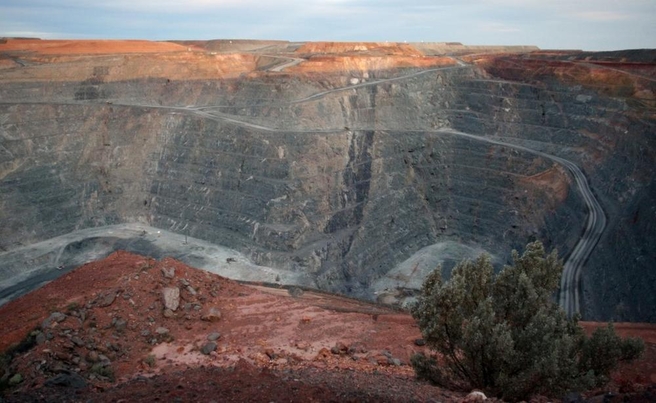
For those not conversant with mining industry acronyms, FIFO is fly in, fly out, DIDO is drive in, drive out and then there is always residential. Before FIFO you just worked away and you had do work some pretty hard rosters, it was nothing like it is today, you went away and you stayed away.

I started my working life in 1985 as an apprentice in an engineering trade, after completion of my four-year trade in 1989, I moved straight into the mining industry where I toiled for on and off for nearly two decades, that means sometimes heading down to the city to work on mining equipment that was being repaired before sending it on its next assignment. I would end up back on site after my short break working in the city, it was never long enough but I made my choices.

Back then, FIFO wasn’t really well known, they flew you to site and you pretty much stayed there for 12 – 16 weeks on average, I did a couple of 30+ weeks stints in the late 1980s. If they were upset with you and you got your marching orders, their obligation was to drive you off-site and dump you on the side of the road.

Fortunately I had plenty of supervisory and managerial experience in construction, mining and tourism. That gave me the foundations to become a director of a start-up entrepreneurial business and a director of a self-managed superannuation fund – the mining life gave me opportunity and for that I am truly thankful.

As a sub-contractor, the problem with working in mining and construction in Western Australia was you had to work on remote mine sites through-out Western Australia and you were not on roster. WA is a big state and you spend a large amount of time working away in almost uninhabited and remote locations.

These days they work on fixed rosters, they do things like 8/4 and 9/5 and 2/1, that is 8 days on and 4 days off or 9 days on and 5 days off. You know your roster for the whole year – easy to plan your life. I have never done those rosters in my life although I did work towards the end of my mining career on 2/1, that’s 2 weeks on and a week off.

Seriously, these days I hear how hard it is working away. Even working on a 14/7 roster you fly in on the first day and fly out on the 14th day, that’s really 12 days being away from home and you still get a full 7 days at home. They provide pretty good facilities these days, not like before when it was pretty rough. Oh yeah, they fly you there and fly you back during work hours – I can’t believe how soft people are becoming.

Perth’s best office – it’s difficult to argue otherwise

Ok, I had to work somewhere and there is no better place to set up office on Thompson Bay on Rottnest Island. Just 17 kilometres off the coast from the port city of Fremantle, this is in my opinion Perth’s best office.

With my notebook computer set up, a portable WiFi hotspot and mobile phone I was in business. I had to research and write my legal brief, I unfortunately didn’t bring my multi-function printer/scanner with me but I was able to make do. I had to be back in Perth the next day to lodge my brief at the Western Australian Industrial Relations Court so my respite was brief – still, better than writing at my home office.

Can you really overdive a site?

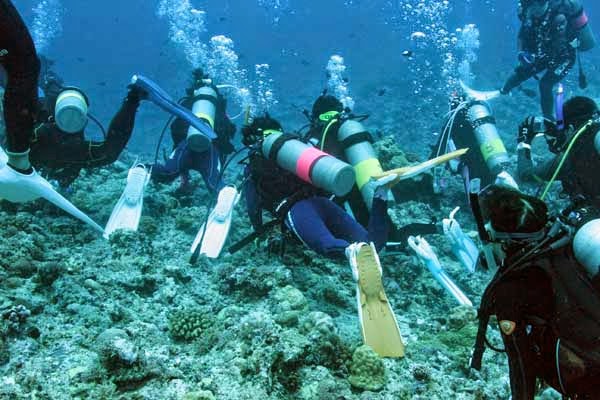
I sometimes read about certain dive sites being over dived and ask myself “How does this happen?” I view these photographs and I am appalled by the behaviour of the dive guides – they need to take responsibility of the divers in their charge.

Scuba diving entails visiting a site, swimming around underwater for a bit, surfacing somewhat slower than swimming around and then departing – not difficult, one would think. When diving South East Asia and the Southern Pacific; dives are guided, the guide takes responsibility for both the group and the environment. Let’s face it, this is their livelihood at stake here, you would expect the guides to be extremely protective of their work environment and ultimately their future.

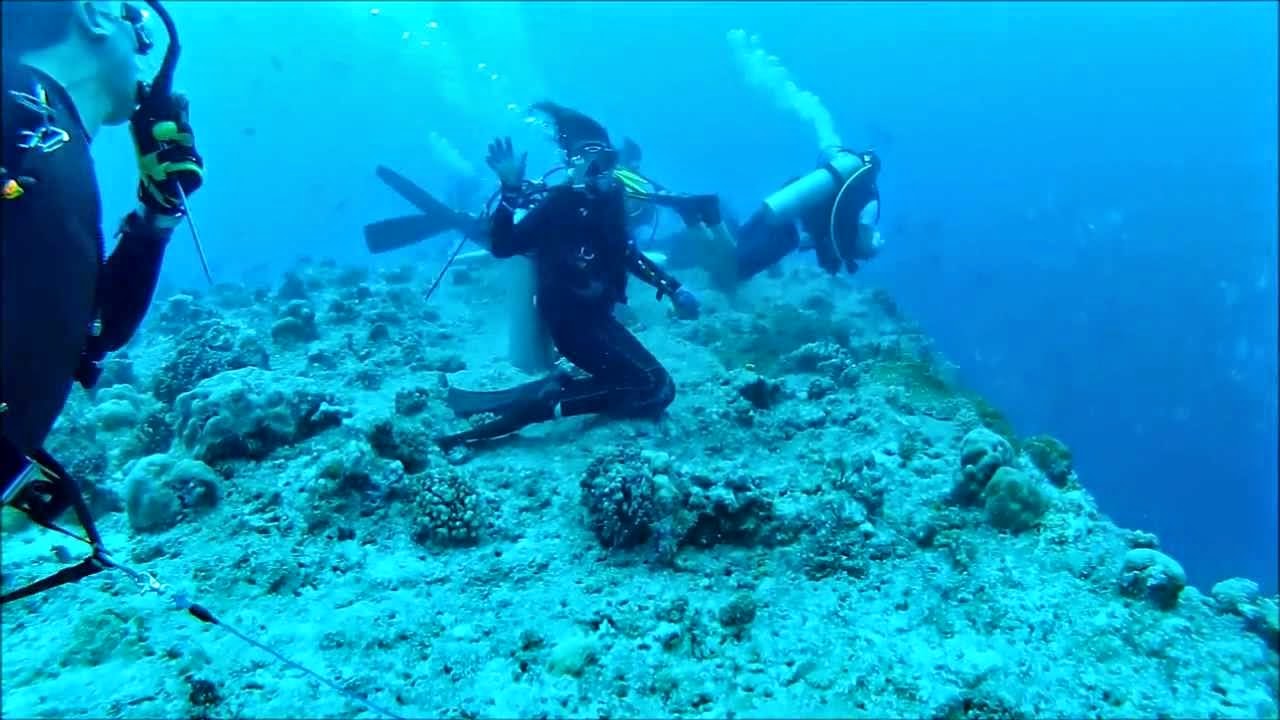
I was researching material for a dive post on Blue Corner in Palau and came across these photographs, it’s hard to believe dive guides allow such practices occur. Sitting on top of this amazing wall crunching the coral is eco-vandalism – this has to stop.

The role of China sustaining Australia’s economic boom

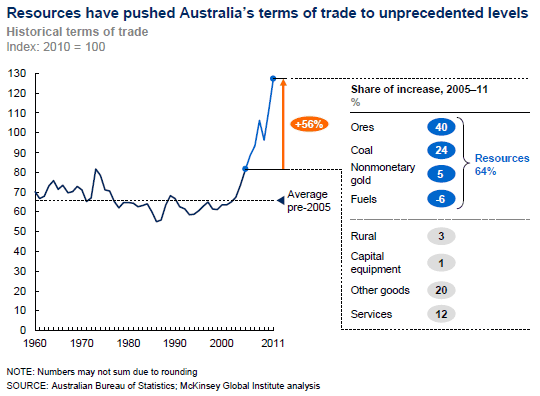
It is well known China was Australia’s most important trading partner during the mining boom continuing after the worldwide economic slowdown. Whilst Japan had been Australia’s main trading partner, the freeing up of the Chinese economy ensured dramatic growth during the period of economic reform – that relationship was important to Australia.

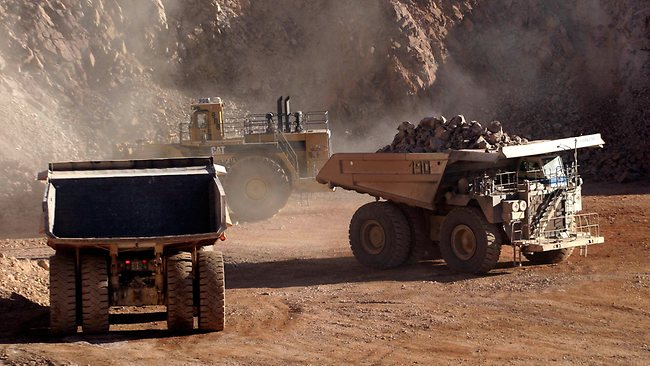
Australia was well positioned to take advantage of China’s boom with unprecedented prices for raw materials, namely iron ore and coal. The GFC didn’t hit Australia hard like the rest of the world, sure there was a slowdown, but with the Chinese appetite for Australian commodities keeping demand and prices high throughout the aftermath of the GFC, the Australian economy rolled on relatively unaffected. China was investing in their own economy constructing cities and infrastructure and the export of finished goods. Australian mining capital expenditure peaked in 2012 as the construction boom ended and the production phase started.

The Australian stimulus announced during the GFC was a poorly focused spending spree designed to buy votes blowing a huge hole in the federal budget – damage that hasn’t been repaired yet. Ironically the Chinese stimulus was more beneficial to Australia than the federal government stimulus. Whilst I was not against increasing spending in a controlled targeted manner, the wild spending increases just wasted money whilst the mining industry drove the country along. Now that the iron ore price has plummeted throughout 2016, the Australian economy was in decline with 2016 proving to be a whole lot worse than what 2015 was and unfortunately 2017 is looking to still be pretty concerning.