Dive Sipadan

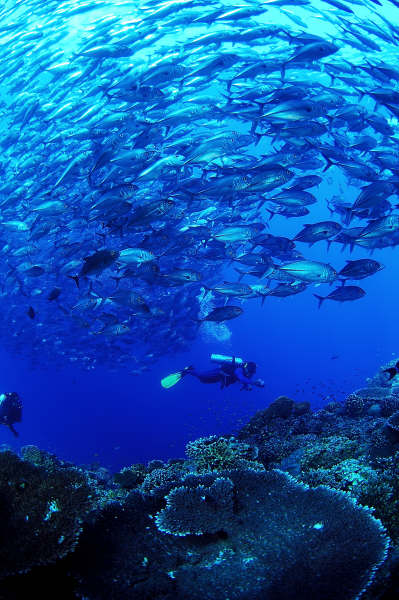
Schooling jacks swarming on top of the reef at Sipadan Island, you have plenty of choices of dive sites here. There is so much marine life here, the question is, where do you look? There is so much going on during every dive.

Sipadan Island is one of the ultimate diving destinations not just in the South East Asian sphere of diving, this is a major international diving destination. You can no longer stay on the island as the Malaysian authorities quickly worked out the human toll on the eco-system and quickly moved to protect Sipandan Island from adoring dive tourists. I have only ever been to Sipadan Island the once, I really want to return to this great dive location in the near future – it is really as good as they say it is.

The MBA and entrepreneurship

I was lucky to meet a Spanish guy engaging in an entrepreneurial business venture when I was in Madrid at an IE Business School dinner a couple of years back. The energy this guy bought to the dinner was amazing, he was preparing his start-up business plan and offered us plenty of insight into venture labs, he had ideas, he had passion and he was highly motivated.

Whilst I can’t remember exactly his business venture, I became interested in the notion of an MBA education and entrepreneurship. This is the real purpose of the MBA is to engage in entrepreneurial business activity and he was working towards bringing his start-up business from and idea to a reality. He was a student at IE Business School in Madrid and he also attended the free Coursera online offering Critical Perspectives on Management to round out his education.

What really got me interested was his participation in the venture labs to develop entrepreneurial business opportunities. This is an important component of modern MBA education, the ability to create new business ventures is at the core of MBA importance. Worldwide there are many business school graduates hitting the employment markets and not every MBA graduate is set to become a management consultant, CEO or board member. The purpose of the MBA education is to transform business orientated graduates who are willing to take risks to create the future businesses employing people to create value for shareholders and not just become employees of large corporations.

Integrated Project Management Processes

My final MBA unit has been completed, first the anxious wait for results begins. For me, this wasn’t too bad as the final assignment was worth 20% of the marks and the course facilitator had been very expedient with marking so I already knew I had passed the unit with 80% of the examinations completed, I also knew the worst grade I could receive was a credit with 66.48/80 unadjusted.
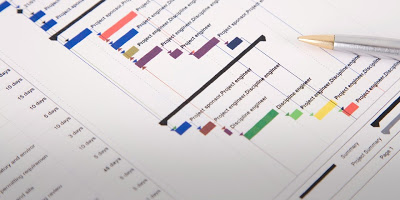
So what did I learn? Well, this is the second project management coded PROJ600 unit after the initial PROJ6000 Project Management unit introducing the Project Management Body of Knowledge Guide (PMBoK) as a study resource. As a text book, the Richard Wysocki authored Effective Project Management – 7th Edition was our reference text for the first unit and I had to use this again as the proprierty text by Burke titled Project Management Techniques was unable to be used as an ebook issue prevented access and hence download. I was unable to source a pdf version so I unfortunately had to do without throughout the duration of the unit.

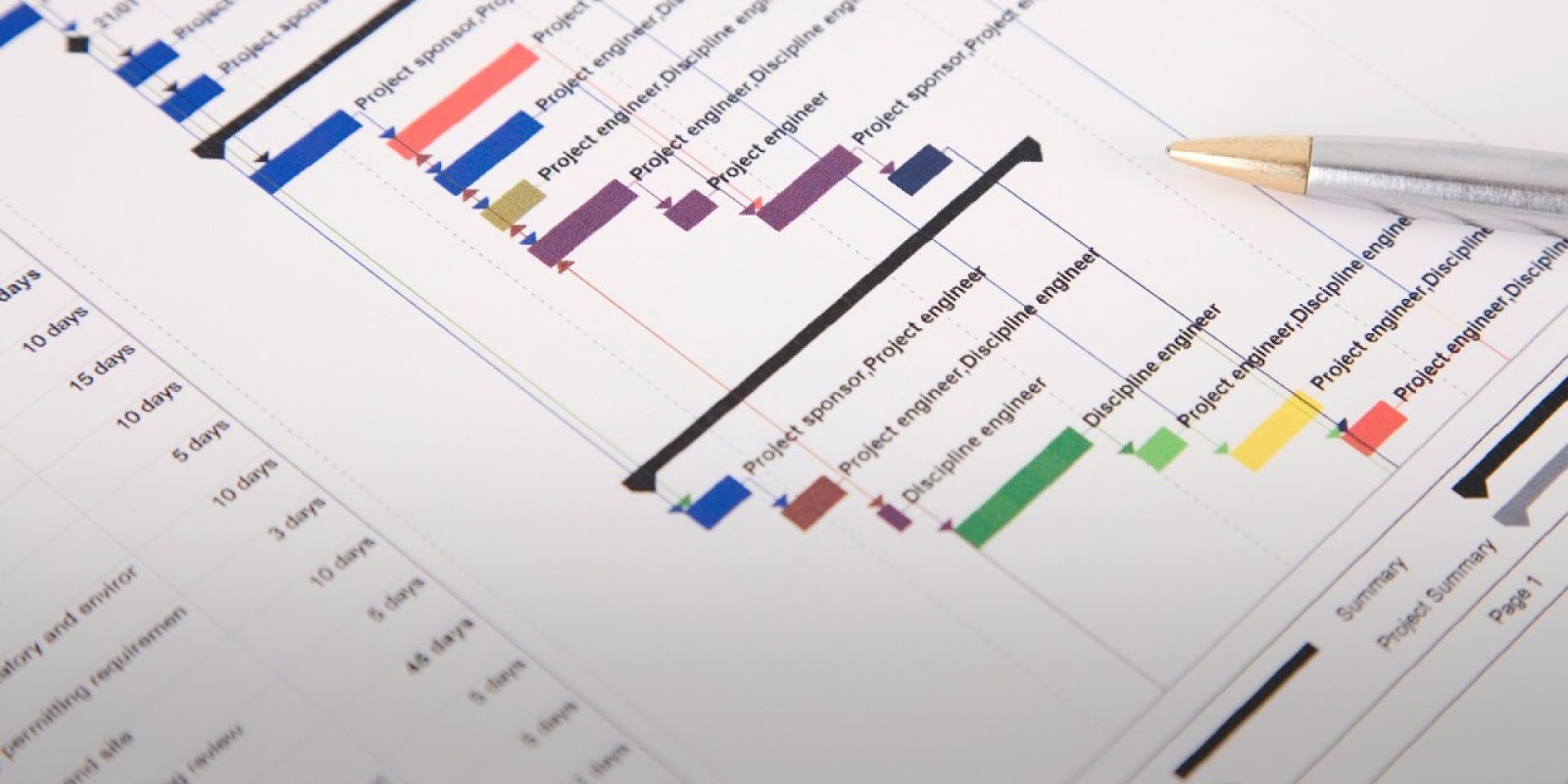
The unit focused on integrated project management processes with emphasis on the project management life cycle. We were broken into groups for group assignments where we we required to identify areas where efficienies could be gained. Our group started well and I was able to get reading completed on a flight from Perth to Singapore where I had a long layover. I worked from my laptop and began writing up my agreed upon section of our report.

However, our three and a half thousand word that was supposed to be shared among the group of four participants suddenly became a group of two. Whilst we had to write up more sections than what was required, coordination between two group members is certainly less complex than four members where team dynamics and group interactions may cause issues.

The second and third sections of the assessments required online posting of relevant topics related to the selected case study/project in regards to risk management, human resources, quality management, time management and financial management of five hundred words. We were then required to provide specific feedback to team members critically analysing their online post in three hundred and fifty words; naturally all online submissions were referenced and supported with contemporary published principles.

The second main assessment of one thousand five hundred words further focused on the identified project short-comings with improvements identified in the initial report aligned to environmental enterprise factors. Once again, a series of graded postings of three hundred and fifty words were required that were referenced and adhered to a strict word count of plus or minus ten percent. We also provided critical analysis of peer reports with areas of improvement of two hundred and fifty words. Finally, a reflective review of learning, short-comings forming a personal critical review of one thousand words was required as the final assessment.

I have been involved with peer-reviewed marking previously and while you learn to critically evaluate project work, it is a little lazy of the facilitator getting you to do their work for them. Do I feel confident to become a project manager now this unit is complete? Well no actually, but I do know more than I did before and should I be put in charge of a project; I know a little now as opposed to knowing nothing at all of project management previously.

Raiding retirement accounts for budget repair

We elect politicians to act on our behalf, but do they really? Recently the Turnbull government in Australia enacted legislation that has serious affect to accumulation type superannuation funds in the name of budget repair, that is the retirement funds of the majority of Australians. That is a detrimental effect to the vast majority of retirement plans in Australia. But while the government was quick to raid the benefits of working Australians, the legislation didn’t affect defined benefits type funds – the exact funds held by senior bureaucrats and politicians.

In the name of budget repair, we need to strip back the benefits offered by such funds as the country just can’t afford such generous allowances. It is time to raid the very funds that were set up to protect these individuals from the market forces the rest of us are subjected to. They, the politicians and senior bureaucrats receive a pension for life that is not subjected to market fluctuations and global forces. We need to retrospectively scrap these funds instead allowing them access to their personal contributions only – just like the rest of us. It is time for this rorting to end and all people are treated equally.

Wandering down to Wall St

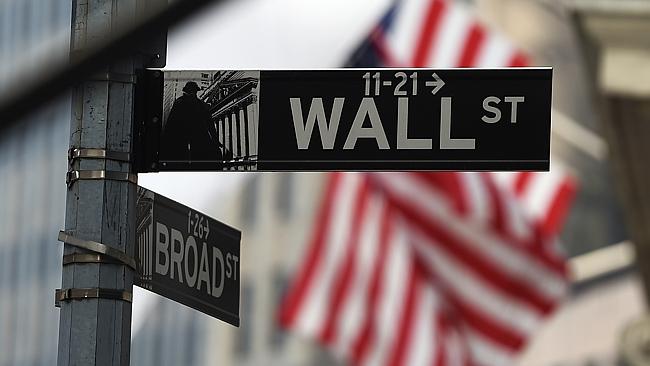
Whilst in lower Manhattan, a stroll down to Wall Street is worth a look if for nothing more than a quick photo opportunity at the heart of America’s financial hub. There is not really much to do there; with all the security surrounding the financial district, forget about trying to get anywhere close to the New York Stock Exchange, let alone inside. Yet strangely, I wouldn’t have missed this New York site.

However, I find it strange standing outside a cordoned off building snapping photographs; because oh no, we are not allowed inside to view the goings on, we plebs are not insiders. This pretty much sums up the American financial system; like minions, we are all affected by the decisions made inside the New York Stock Exchange but not made privy to the dealings made inside the walls of the NYSE.

The fact that this building is located on Wall Street is not lost on me, they have erected a wall around the NYSE to keep the great unwashed at bay. This building is a monument to insider trading and corporate fraud, naturally; we need markets, the system requires liquidity and a place to trade, we need stock exchanges but not ones run like this one.

Out of work but proud

I was casually wandering around Prague and somewhat unsettled by the sheer number of underemployed people and beggars. I was highly annoyed walking past the astronomical clock in the centre of the city when a slightly unkempt guy holding up sign above his head stating GUIDE was harassed.

Three young American men were hassling this guy asking if he had change then making unsavory comments about no money and similar derogatory comments. He was just standing there with his sign above his head expressionless – there is no need for this kind of attitude. Here was a guy who was obviously struggling, trying to make honest money in a difficult employment environment.

Might I remind these arrogant fucking arseholes, the global financial crisis was brought about by arrogant fucking Americans who pretty much fucked the world economies with their collateralised debt obligations, sub-prime mortgages and financial witchcraft. When these pricks melted down world financial markets, the very people who had their lives thrown in turmoil was proud guys like our out of work guide trying to get by as best he can.

We are all paying the price because of these Wall Street thieves who should be in prison instead of being hailed as some kind of financial messiah. I came into contact with plenty of fine mannered and respectful Americans, these well dressed arseholes more than likely came from inherited money and families privilege.

The inabilities of modern managers

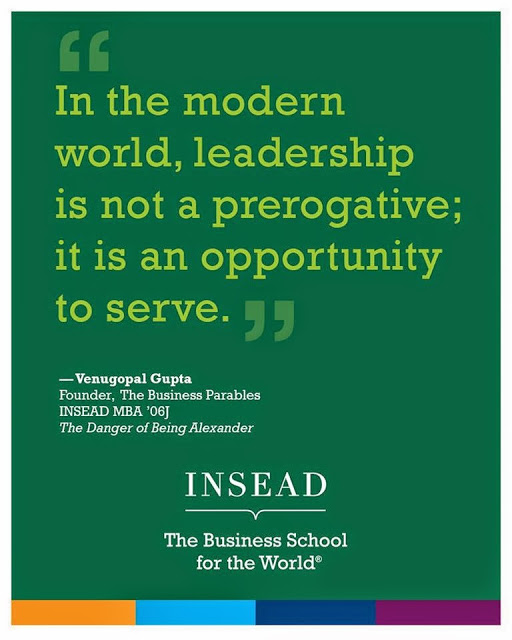
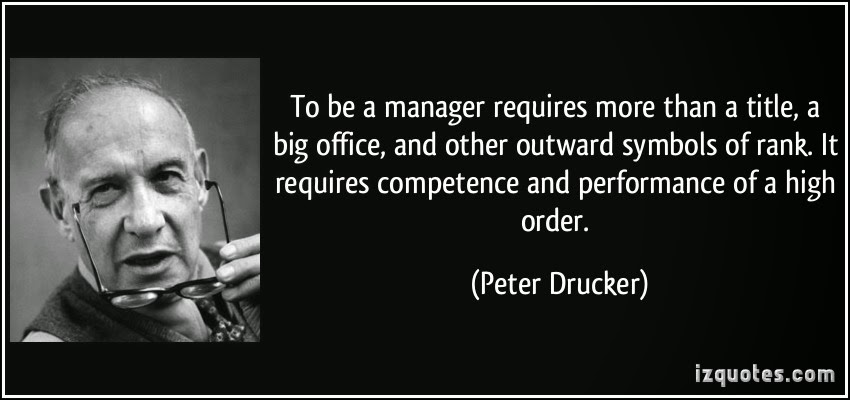
I often lament the inability of many managers to provide leadership; instead reverting back to the old style command and control management perspective. An arrogance exists where managers believe in their infallibility; believing workers are there to serve them. The virtues of servant leadership are countless; a manager is a cost to the business, their job is to ensure the people actually producing income within the business are working as efficiently as possible removing inefficient practices and roadblocks.

The moment I hear “This person works for me” I immediately know I am dealing with a narcissistic old style manager. The only time somebody works for you is when you own the company, anything other than a business owner is a wage/salary earner – it’s that simple. A collaborative approach works best with professional people, the manager needs to bring a coaching mindset to develop their team, they don’t, they just like to control the people below them.

It’s September – it’s spring

It’s September and it’s time for me to step up the training regime, it’s letting light earlier at 6 am when I get up and not dark anymore on my return home from work at 6 pm.

My level of fitness is a disgrace, after starting my part time undergraduate degree in 2012 and completing it in mid 2014, my spare time has been busy – too busy to train properly. Then I restarted extra units in late 2014 to get back into the study regime before undertaking my part time MBA from 2015 to mid 2017. There will be no more, that’s it, I’m done and now it is time to enjoy life again. Once I had a fairly robust social life, apart from a faded memory, it is time to rebuild the fun portion of my life.

But my personal fitness, muscle tone and overall wellbeing has been depleted savagely and it is time to respond. No more required readings, discussion forums, assignment deadlines and personal stress. It is spring now, I am outside doing the things I love from scuba diving, yacht racing, hiking, kayaking, mountain biking, running and of course free weights to build up my core strength. It is spring and time for a new beginning; no more time spent indoors cramming for an exam or all weekend spent writing up an assignment. I’m really looking forward to this.

What makes a terrible manager?

So what makes a terrible manager? They begin by failing to provide team members guidance, there are no objectives set, no implementation plan, no reporting of progress and a complete breakdown of culture.

As a manager, they are supposed to conduct performance reviews at least annually but manage to avoid them. The reason poor managers hate performance reviews is that they wouldn’t really be able to identify team strengths or weaknesses and they are worried the team will quickly work out their lack of skill and knowledge.

Poor managers use stand-over tactics on team members, they like to harp on previous team failures or when deadlines were not met. When a mistake is made, poor managers are quick to assign blame on individual team members. Poor managers don’t update the team deliberately keeping information from team members and would rather defer than actually make a decision.

Poor managers waste time playing office politics to manipulate their next promotion instead of actually leading the work group. They tolerate poor work output by the members of their golden circle allowing chronic under-performers go unchecked. Poor managers hire C players who won’t outshine them; in my experience, they are very lassiz fare in their actions instead of being a micro-manager.

Whenever possible, poor managers take credit for the work of others presenting it as their own. Poor managers always use the term I and never we. They constantly put down team members in front of others and never give credit when due. There is constant turnover in their team, they have terrible human resource track records with a failure of team members going on to be successful managers themselves.

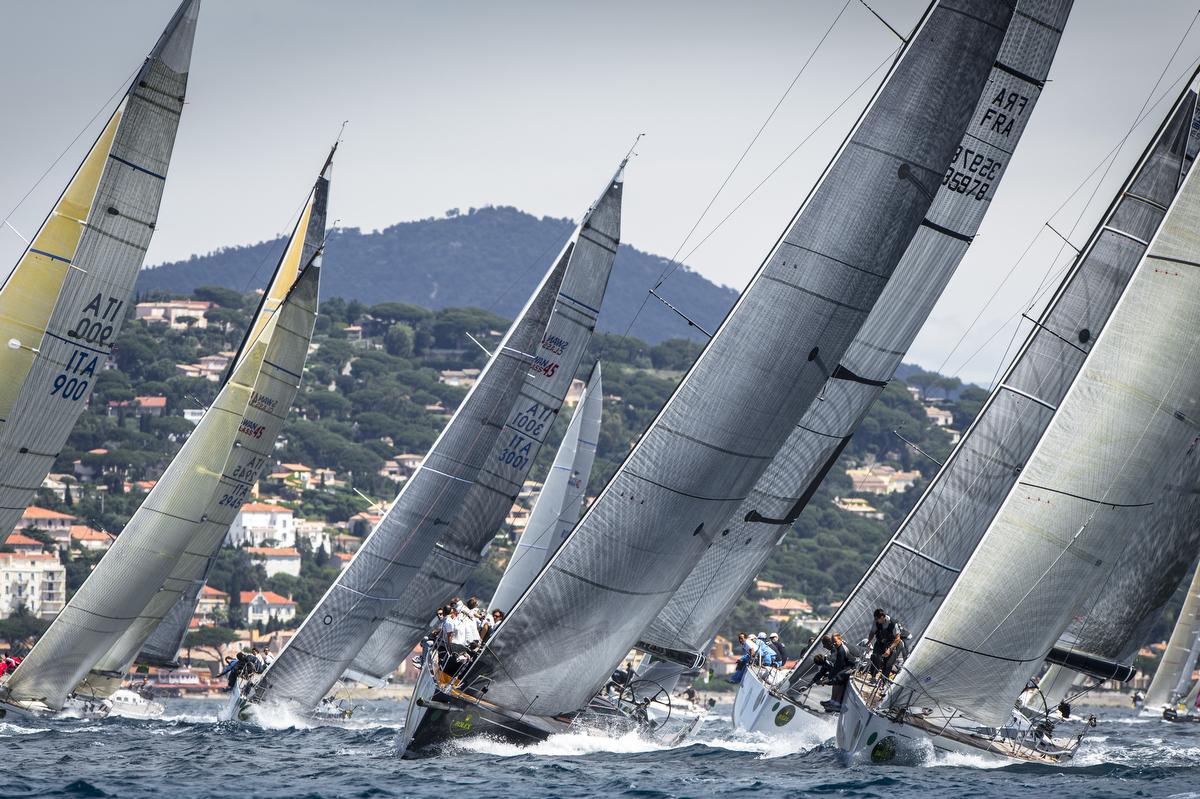
Working the foredeck

I have spent the last couple of seasons working up the bow of the yacht after our previous foredeck crew were constantly costing us races. After winning the start and being first to the windward mark only to end up last after a poor spinnaker raise undoes all of the good windward work. It needed to change and it needed to change really fast – it couldn’t keep going on like this.

Counting down the start is imperative for aggressive positioning in the fleet, a poor start means you spend the rest of the race trying to catch up instead of consolidating your position. I see getting a clear start as the key role of the foredeck crew; they have an unrivaled view of the start line and the other yachts as you maneuver for position in the pre-start period.

This is not only from the time the five minute gun sounds but the pre-start positioning and maneuvering but after the start the foredeck crew spend most of their time sitting on the side providing ballast. However, a knowledge of sailing and tactics ensures you get heard and providing input to the race, getting the start right is important – this sets up the whole race.