The Shipwreck Hunter

The Shipwreck Hunter is an excellent account of the personal adventures written by David L. Mearns describing the manner David located a number of high profile shipwrecks around the world.
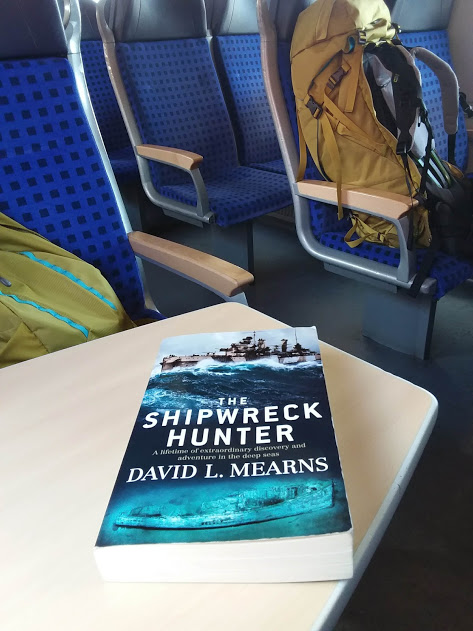
Previously, I had just finished reading Eugene Cernan’s The Last Man on the Moon and whilst I thought it was a cracking read, I understood why a Saturn V rocket was required to launch three huge ego into space. Not so with David, for a guy why was at the top of his career for an extended period, I was amazed at how humble this guy is.

The book started out with his education in marine biology at Fairleigh Dickinson University and how he almost failed the first year only to get his act together through hard work and application at the in-house laboratory on the Caribbean island of St Croix in the US Virgin Islands. David attributes his improved grades in his second year to engaging in group study and was shown how to learn.

He then explains his failures applying to various universities until he managed to get a scholarship at the University of South Florida as a MSc student with the potential to pursue a PhD a year later. Although David began marine biology, he decided on studying marine geology instead as he thought this offered more seatime and employment opportunities.

This change in study area links to David’s opportunity to learn to use geophysical instruments and how he got his start using high-frequency towed side-scan sonar to map the ocean floor. David describes the university side-scan sonar he learnt on as one of the earliest commercially available units that was decrepit and requiring constant repair.

As an engineering tradesman, I believe in initially learning the trade on the old equipment to master the concepts before moving onto more modern and sophisticated equipment. For me, this is the foundation of any technical background because generally speaking, most modern equipment is based on a constant evolution of existing equipment and techniques.

The book then went on to describe a number of shipwrecks from the MV Derbyshire, the HMS Hood and KMS Bismarck, TSS Athenia, HMAS Sydney and HSK Kormoran, AHS Centaur and finally the Esmeralda. The wrecks he located describes the human side of the maritime tragedy and the effects on survivors and family members.

What I learned is that David undertook painstaking research to determine and narrow the search box well before the side-scan sonar was dropped in the water. He doesn’t just sail around the world’s oceans towing a sonar behind a vessel hoping to get lucky, David emphasises the research required to be successful in what I would expect to be a notoriously difficult field.


Moalboal in the evening

You just don’t get sick of sunsets like this, Moalboal is a great dive location during the day, the place is a little quiet as it is a small village on the south west coast of Cebu – you don’t mind when the sky lights up like this.

I haven’t travelled to Moalboal for a couple of years, that is a shame as the dives at Pescador Island were really fantastic. Moalboal is on the west coast of Cebu, it is only a small place and I don’t go far once I have finished diving. I don’t really like night dives, so sitting on my balcony looking at a moored banca, the dives are great and the evenings amazing.

Why we have smoking laws

Smokers only care about themselves and their filthy habit, they do not care about anyone close or in the general vicinity.

In Western Australia we have strong smoking laws and as a lifetime non-smoker, I am so thankful of the groups that lobbied parliament to ensure the laws were pushed through. I am so used to people not smoking around me now, when I am overseas it really comes as a shock to me having to breathe in someone else’s filthy air polluted by cigarette smoke.

This was driven home to me sitting having breakfast at the restaurant at the Jayakarta Hotel in Legian Bali. We were sitting eating when all I could smell was that putrid stench of cancer causing smoke drifting across from a nearby table. Seated next to us was a young family, the child, I am guessing around the three to four age range was eating her food as the smoke wafted across.

This individual surely must have known small children were surrounding him, but chose not to care, he is allowed to smoke here and bugger anyone else. A small child and her family, no issues, he is enacting his right to smoke in Indonesia as there was an ashtray on the table and his rights were more important than anyone else at breakfast.

This is exactly the reason anti-smoking laws are drafted, if smokers weren’t so arrogant and got up and stepped outside to smoke away from people then laws wouldn’t be required. It is exactly their arrogance that these laws were passed and they only have themselves to blame, forget about complaining that your rights have been stripped away – you caused it yourself.

The old nitrox arguments

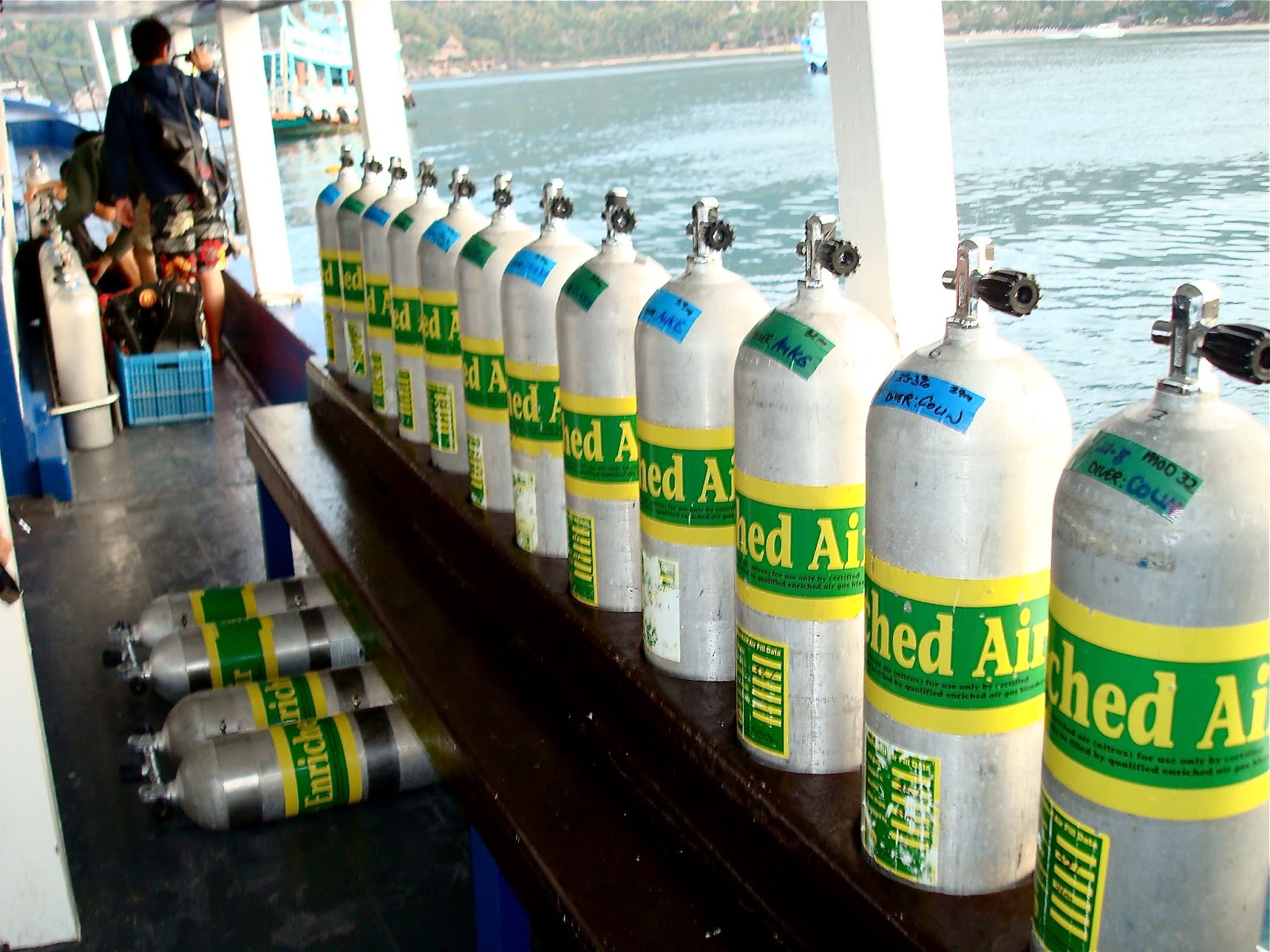
I can’t believe I am still hearing the old arguments regarding nitrox. It isn’t safe, it doesn’t extend your bottom times, the decreased surface intervals are not required, you are depth limited, complex calculations are required and it is dangerous. Lastly, it is just a fad that won’t last.

The question is, are you more likely to suffer incidences of decompression sickness (DCS) if using nitrox? Looking at the figures released by the Divers Alert Network (DAN) 2000 DAN Nitrox Workshop, no increased risk of DCS is reported when diving nitrox over air.

This is further supported by the research of Lang (2006) The State of oxygen-enriched air (nitrox) published in the Diving and Hyperbaric Medicine Journal, Volume 36, Number 2, June 2006. You can dive to about 50 metres on nitrox; naturally the oxygen percentages are somewhat leaner reducing the effectiveness yet this is still a better option than air.

Nitrogen is the limiting factor for the majority of divers, reducing nitrogen uptake increases bottom times. This can be achieved by reducing the nitrogen partial pressure which can achieved by diving shallower with air or alternatively diving to the same depth with a gas mix with reduced nitrogen. By replacing the nitrogen in the mix, bottom times are increased although oxygen is now believed to be just as narcotic as nitrogen.

Do I decrease my surface intervals on nitrox? I don’t so in that respect so while the opportunity exists I never usually take it up. That being said, I don’t use nitrox for shallower dives as the increased bottom times for a 18 metre dive just don’t justify the extra cost. Depending on the computer or table used, a 51 minute no-decompression limit is normal for Buehlmann tables, PADI is 56 minutes and the US Navy tables extends out to 60 minutes. Most divers have used all their gas by this stage so the values is limited, the decompression required is also negligible at any rate.

Naturally you are depth limited by nitrox, this is the whole MOD concept and if certified divers don’t have either the buoyancy control then they have bigger problems than nitrox. Likewise, should they exceed their depth limits then audible and visual alarms are built into dive computers with divers setting their own PO2, I believe in personal freedom and with training, divers can make informed decisions.

Once upon a time nitrox courses required manual calculations, as nitrox use became more widespread it was found that setting a nitrox computer was sufficient, there are not too many computers produced these days that aren’t nitrox capable, twenty five years ago – this wasn’t the case. We had no choice, manual calculations were the only choice for most of us, I am so glad to have moved past that stage, I am happy to strap a computer on these days.

With fairly extensive research done, nitrox is not considered any more dangerous than air with current computer nitrox courses concentrating on basic principles, computer use and analysing blends – a fairly straightforward course these days. The proponents of nitrox are old school guys stuck in another era, their diving is usually limited to a single style and they don\’t understand nitrox themselves and don’t expect you to either.

Sunburnt in Europe

Geez, what was I thinking? It’s not like the concept is foreign to me, I have shaved my head since my early twenties. I pretty much carry a hat everywhere with me because I know what happens if I don’t.

I’m from Australia, I know all about the effects if the sun, I am well aware of UV radiation. In Perth during the weather report at the end of the 6 o’clock news, they list the UV index warning us of potential adverse conditions. So how did I get so sunburnt? Well, somehow because it was autumn in the northern hemisphere, I thought the sun wasn’t as strong as I’m used to. Up to this point, this is true, however, I was out all day with my cap in my backpack, now that was stupid.

I hadn’t washed my cap from previous days and the sweatband was covered in sweat from previous days causing some irritation. My thinking at the time was these UV rays are not so strong here so I can afford plenty of sun exposure here. Wrong, when I returned to the hotel room I then knew I was burnt – the pain left no doubt in my mind. That evening was uncomfortable for sure but the next morning all pain was gone. Sure, I was still a little red still but I had dodged a bullet and gotten away with it.

So you only speak English

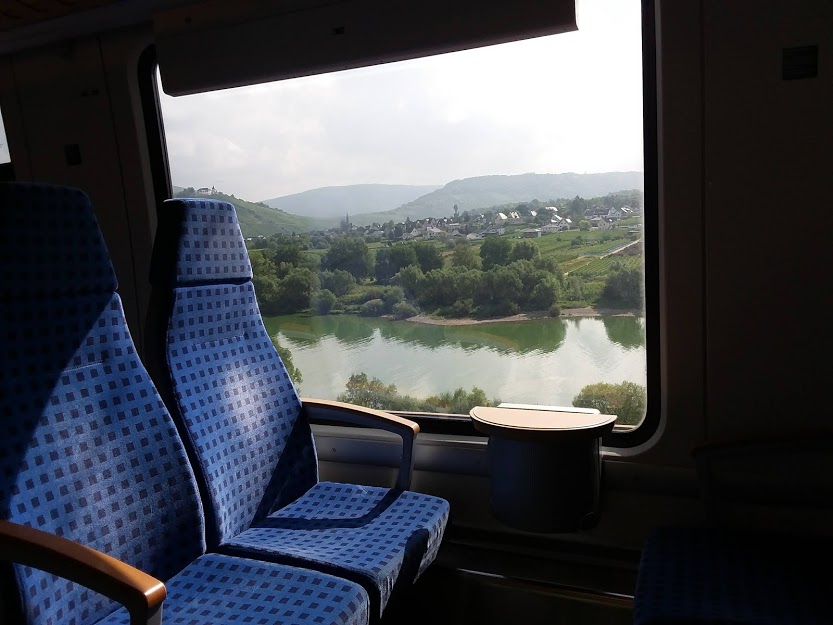
I had to laugh at the comments of a conductor on a train from Trier in Germany to Luxembourg City in, well Luxembourg. As she was trying to explain the ticketing structure to us in German, when that didn’t work she switched to French.

Still, we couldn’t explain in my limited German and she replied *so you only speak English” in a dismissive tone. Firstly, I live in Australia, a continent with an official language of English with each state speaking the same language so no need to change languages as you cross borders.

My partner who was with me at the time is a native Japanese speaker, she can also use some Chinese as some characters change over and I’m sure she could get the message across in Korean if needed. Australia is 12,000 kilometers away from Europe so for the best part it makes no sense to learn German, French, Spanish or Italian unless a specific need arises. Due to our proximity to Asia; Mandarin, Cantonese, Japanese or Indonesian would be the better option at any rate.

Even for someone such as myself living in Perth, to get in a car and drive across the state border will require about 12 hours of travelling time only to find they speak English there too. Technically, Australia isn’t a continent as the original inhabitants have around 2000 different languages or thereabouts. What I am not able to state is how many are in frequent use or how they differ between each dialect.

Developing multiple income streams

I had yet to complete my apprenticeship although I was either close to, or considered an adult at this stage, so I was around seventeen or eighteen. I had a group of friends who were older than me by a number of years and they were transitioning to their new lives with their partners.

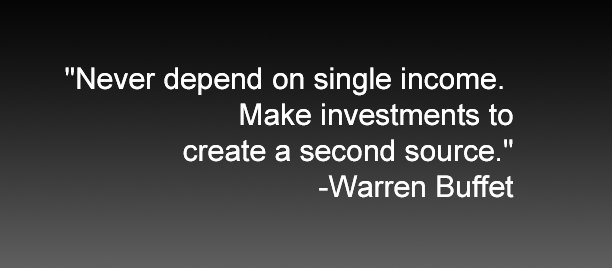
We became involved in Amway and they were doing ok; me not so good though as nobody was interested in being signed up by someone so young – I understood and accepted that. I went to all the meetings where they taught their network marketing scheme and was actively involved. They were heavily involved in motivation and that is what I really enjoyed – being around motivated people. They also taught basic business and finance principles and one of the concepts I really embraced was generating multiple income streams including a passive income.

For the majority of people their primary income is from their paid employment or through their business; should they become injured or fall sick and become unable to work for a period, they would normally endure financial hardship. A second job on weekends or evenings brings in a second income as does freelance work or a small business servicing clients. These are still generally related to your direct labour inputs, although a small part-time business may hire staff.

What interested me the most was developing a passive income; that is an income that is not directly derived from my sale of labour. A passive income may be derived from sources such as bank interest, although that is generally a poor return with low interest rates requiring a relatively large capital investment for little return. Cash is important as a buffer although very inefficient in terms of returns, cash holdings may be funds reserved for future investment opportunities. Fixed interest through term deposits and bonds is a reasonably defensive strategy allowing a degree of diversification.

Residential and commercial property derives an income through rental income although a high capital expenditure is required, sub-letting a room is more efficient but you have to share your home with someone. Dividends from shares is a brilliant passive income with an advantage in Australia of franking credits from dividend imputation removing the double taxation burden.

Reinvesting your dividends is the best course of action if you don’t require the income to support yourself as you are really investing in future returns setting up the longer term. I prefer long-term investing and generally shy away from short-term investments instead seeking an income stream so your initial capital isn’t eroded over time.

Closing in on 1000 posts

Closing in on 1000 posts, since starting Observations in an Undemocratic World back in 2013, I have been publishing posts on a regular basis. These days I average three posts a week released Tuesday, Thursday and Saturday with the shortest post on a Thursday and the longest Saturday. So where to from here? I am going to keep posting, I am full-time employed so writing is one of my pastimes but I have other avenues of expression too.

For myself, writing allows a certain freedom and this was especially helpful when I was studying, I could just turn off, write a post and then switch back on again. Now study is over for me, my tablet comes with me everywhere and I tap away at the screen on the train, sitting waiting for an appointment. It may be straight after a run still covered in sweat too scared to hit the shower just in case I lose my train of thought. Sitting around at a bar is a pretty decent choice, I am happy to have a drink by myself and tap away on my tablet. It is relaxing and a pretty decent way to spend the afternoon.

Revisiting the toxic work environment

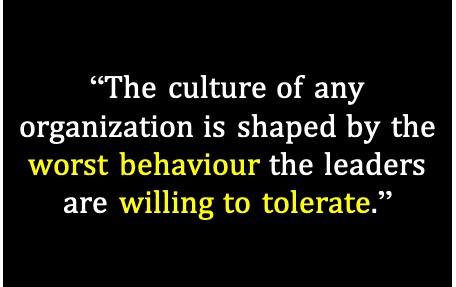
I have written before about a toxic work environment, I am interested from an organisational standpoint about how this is able to occur in a modern workplace? A toxic work environment is a cultural issue, this is generally shaped by the accepted behaviour in the organisation.

I question why this occurs, why are managers installed in a business to manage operations? If their sole role is to manage, why are they unable to fulfill their role and manage people to a competent level? Management is really work done through others. This is a leadership failure, there is no other explanation for it yet it is easy enough to rectify. This takes communication skills, the manager has to pull themselves out of office and away from spreadsheets.

You need to be out and about without micromanaging, I believe in delegation and providing support allowing people to expand their roles and knowledge. You don’t show favouritism, people are promoted based on strict and measurable criteria. It is inequity that generally causes a toxic work environment, it creates tension as the high performers generally become dissatisfied whilst the underachievers are allowed to run riot, by this time, the workplace has descended into chaos.

From what I have encountered, most managers possess poor leadership skills. Well, this was based on my thirteen years of state government experiences anyway. My return to private enterprise surprised me on how far leadership has advanced in the private sector. I was employed in a leadership role, my manager took seven years to complete his MBA and he majored in leadership. From my experiences with such a proactive manager, he pretty much espouses the leadership culture he wishes to embed in our department.

Private enterprise really encourages university education to provide solutions to problems. The public sector less so, they prefer to maintain the old boy’s club and the old way of doing things. Sure, they engage in plenty of poorly planned and executed change management programs but I can’t really call them strategies. Posters of eagles soaring over mountain ranges doesn’t equate to leadership, it equates to a lack of leadership ability in my eyes. I have yet to see a great private sector leader hanging such useless posters on their walls, they actively live the leadership culture they espouse.

The TAG Heuer Carrera

The Carrera was released by Jack Heuer back in 1963 espousing their motor racing heritage with the Carrera Panamerican motor race. The Heuer Carrera was the first chronograph timepiece designed specifically for professional racecar drivers.

In 1985 the Heuer watch company was in extreme financial distress; this was in no small part attributed to the quartz technology disrupting the industry. Heuer was duly purchased by the TAG Group, a company ironically involved in the motorsport industry. Hence, TAG Heuer was born with not even the slightest whiff of arrogance bestowed by TAG Industries. Motorsport sponsorship is not the sole domain of TAG Heuer, the race track is the perfect marketing tool for timekeeping.

The Heuer Carrera was an iconic timepiece synonymous with motor racing with Jack Heuer one of the last direct family members aligned to such a heritage brand. I looked at purchasing a new Carrera but thought the face was somewhat cluttered in the latest models. The skeletonised versions were even worse for my personal tastes. When I look back at the older versions, the basic shape and style confirm to me why this is such an iconic timepiece. The Carrera in its purest motorsport form is a chronograph, I do admit to really liking the three hand version.

Whilst I would love a vintage Heuer Carrera timepiece, I am wary of the current prices paid for older timepieces. The problem with vintage timepieces is wear to the movement, obtaining parts for older movements may be difficult and is certainly expensive. Taking into account wear to the dial, hands and pushers, replacement of major components tends diminish the value of the timepiece. That being said, the classical style of the 1960s and 1970s Carrera is a pretty decent place to start.

At some point, one has to ask, would the funds be best spent on a new timepiece? I must admit, I am certainly interested in the shape, style and history of the Carrera and possibly missed my opportunity to become a Carrera owner on a number of opportunities. I prefer the simple and classic styles and may add the Carrera to my collection in the future, until then I can admire the Carrera in its simplest and unadulterated splendor. I am out looking but as always, I have plenty of time to choose and the price has to be right.