I follow the Ukraine war very closely, now as we enter the fifth year I am looking at Ukrainian tactics on the battlefield. Early on, Ukraine was able to take territory back in an amazing counter-offensive. Had the Biden Administration been less timid and provided Ukraine with more offensive weapons, I believe these Ukrainian gains after the breakthrough to be greater. Now, we have a fairly static frontline with both sides consolidating gains. So now I am looking at current Ukrainian defensive tactics to hold the frontline.
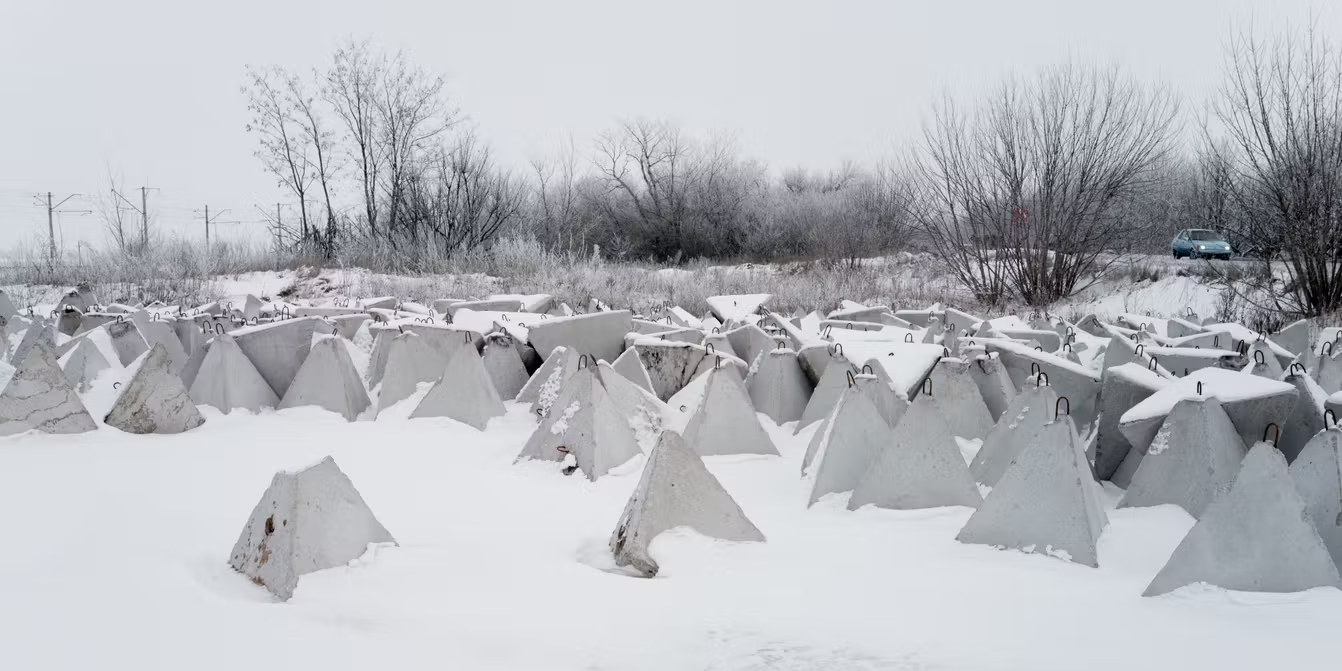
What Ukraine cannot do is mass troops and assets on static World War One trench style defense structures. Russia has massive artillery assets, whilst the Russian artillery is firing less than what they did in 2022, this is still a formidable weapon and Russia has a fully structured war economy to produce shells. Likewise, Russia has lost an amazing amount of main battle tanks. Yes, the Russians have had significant tank losses, yet there is still much to be feared with Russian tanks so Ukraine needs to neutralise this threat. Russia still has a significant manpower advantage and seems to be happy to try to overwhelm Ukrainian positions with meat wave attacks.
So what is the Ukrainian frontline tactics, we know that Ukraine does not have the troops and resources to stretch thin in a classic trench style defence structure. So instead, Ukraine utilises a trap and bleed strategy. So, how does this strategy work? Ukraine sets the trap by using smaller teams leaving strategic gaps on the frontline with small mobile teams that are well trained in ambush style tactics, although this is not a textbook ambush. As Ukraine cannot fully defend the frontline in a traditional sense, they deliberately create weak spots in their lines to entice Russian advances in a specific location where they hunt down Russian advances.
These strategic weak spots lure Russian assault squads typically around 35 – 50 dismounted troops into an area. These deliberate weak spots use ditches, mines, concrete obstacles such as dragon teeth slow and stop tracked and armoured vehicles to funnel the enemy into specific locations, that is typically a choke point. This leaves these assault squads fewer options, they can spread out and lose mass, this is typically not their tactics. They can attempt to move through the obstacles resulting in time loss and potentially needless losses, especially when armour is involved. or they could follow an unimpeded path. This is actually a fairly common ambush tactic that has been refined by the circumstances.
The Ukrainians utilise a lack of mass and dispersed resources including manpower to hold the frontline. Instead, Ukraine uses small mobile squads to prevent targeting of artillery, drone teams or mortars for close fire support. They are not there to dig in and engage in a small arms defence of territory, they are not using trenches as a defence strategy on these frontlines now, they need to be able to maneuver and counter-attack immediately. These are mobile teams using fire and maneuver tactics
Instead, these teams offer small arms resistance to make it look like they are defending the positions before immediately retreating. They already have a retreat plan in place, they know exactly how and when they will retreat. We all know the Ukraine war has now transitioned into a drone war, the Russians have drones too. The Ukrainians are using extensive surveillance drones, they know exactly where the Russian troops are moving and the positions they are taking up.
The Ukrainians want to make it look like they are fleeing, abandoning their positions and giving up territory. They actually allow Russia to take up their positions in a predictable tactic, whilst Russian mil-bloggers are reporting to the Russian population that Ukrainians are fleeing, this is a tactical retreat. However, what the Ukrainians cannot do is allow Russia to reinforce these positions with armour and further troops. So, instead, they need to immediately counter-attack once the Russian assault teams are in position. With Elon Musk finally shutting down Starlink terminals for Russians, they are struggling with communication issues.
Once the Russians have moved into the previously held Ukrainian territory, the Ukrainians counterattack using mortars for mobile close fire support, artillery for longer range actions and loitering FPV kamikaze drones or munitions [bomber] drones. As Ukraine previously held the territory, they know the exact coordinates where the Russian teams have moved into, the actual terrain and conditions the Russians face. They do not move into a small arms firefight where they can absorb losses. The whole Ukrainian strategy is flipping the script by cancelling Russia’s manpower advantage by preserving the lives of Ukrainian troops.




 Observations in an undemocratic world