
The Omega Speedmaster Professional, better known as the moonwatch was to be the first watch worn on the lunar surface by astronauts Neil Armstrong and Buzz Aldrin. First worn by Wally Shirra on Sigma 7 in 1962, the Speedmaster became NASA standard issue after meeting all test requirements. The Speedmaster was the only watch that passed all the tests, the Speedmaster Professional was that reliable.
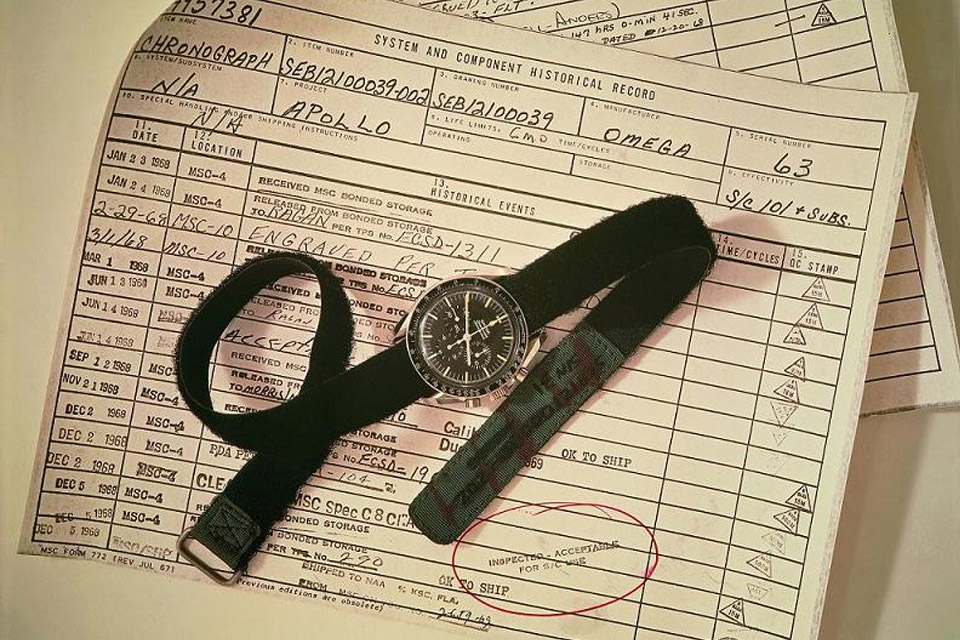
However, according to Buzz Aldrin’s recollection in his autobiography, Neil Armstrong’s Speedmaster was not worn on the lunar surface for their extra vehicular activity as the vehicular mission timer had malfunctioned, so he left his watch in the capsule as the mission timer relying on Aldrin’s timepiece as lunar surface timer, a bold move.
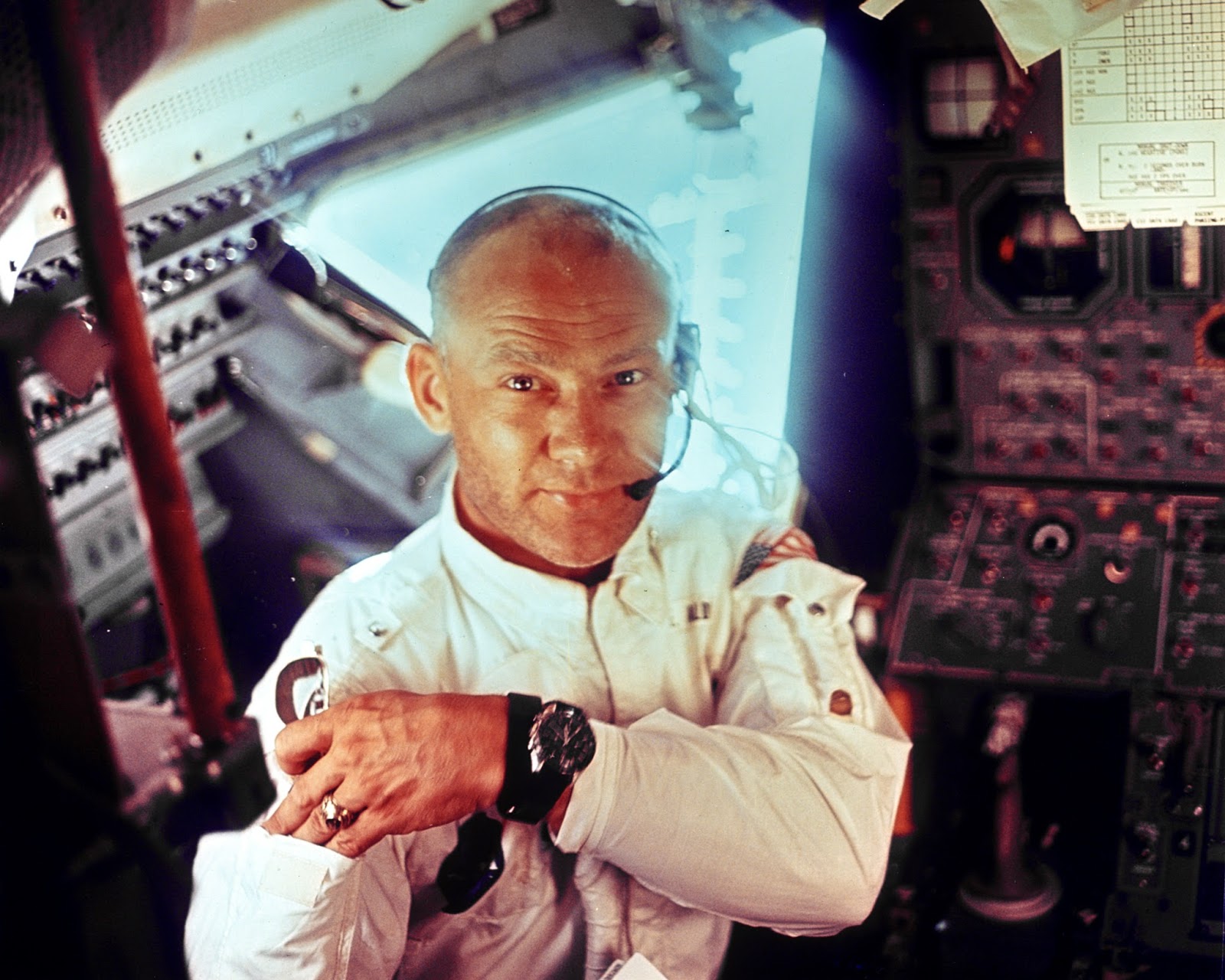
The Speedmaster Professional was first issued for Gemini astronauts for the pre-lunar landing missions. As a result of the selection process, the Speedmaster is the most tested watch in the world passing the extensive NASA testing program designed to destroy the watches in 1964.
As the official Apollo program timepiece, NASA sought expressions of interest for official mission timers with Omega, Rolex, Breitling and Hamilton all submitting competing bids. The Omega Speedmaster was a timepiece hailing from a motoring heritage, as the Speedmaster Professional was manufactured with the attributes NASA sought in a mission timer, the watch excelled against quality competition.
First released in 1957, this watch is still a highly sought after timepiece with a number of variations produced over the years. Heritage editions are issued for major milestones such as the 50th anniversary of the moon landing, the death of Neil Armstrong and the recent passing of Eugene Cernan – the last man on the moon. I prefer the classic version of the Speedmaster Professional although the dark side of the moon, the grey side of the moon and Apollo 8 are notable variations of the classic design. Omega have created so many special editions of the Speedmaster, to me, there is only the Speedmaster Professional.
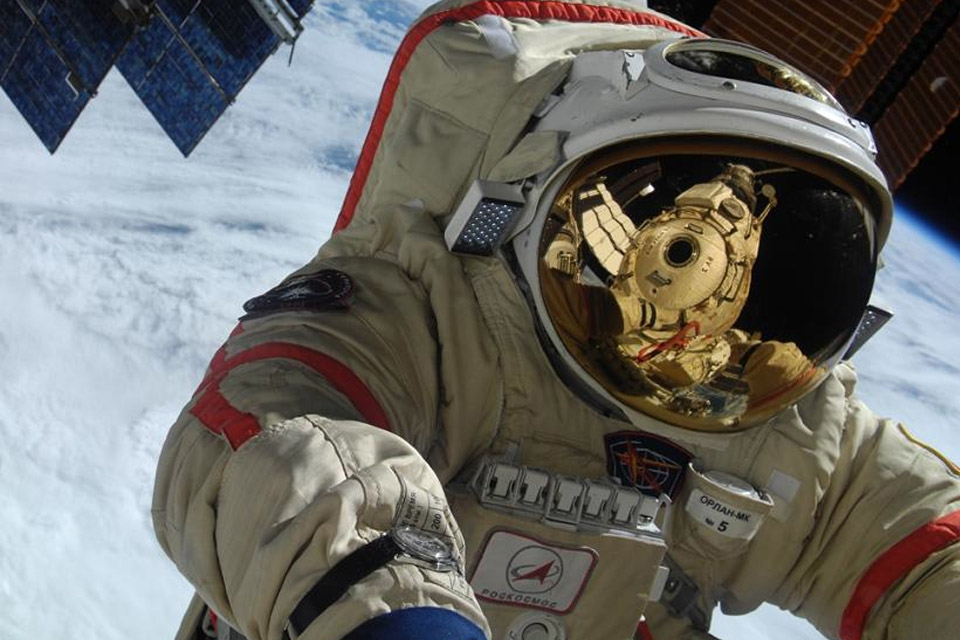
Notwithstanding, the Speedmaster was not specifically designed for space exploration. It could be argued the Speedmaster achieved its namesake after the Apollo 10 capsule reached speeds of 39,897 kph on route to the moon during May of 1969. The watch has achieved all well deserved noteirity as the moonwatch, this timepiece was standard issue timepiece for all EVA missions from Gemini to Apollo. The Speedmaster Professional is still issued to current astronauts and worn on ISS missions.

