
I have read about the 8-4-3 rule of compounding and sought to find out more about the rule. The 8-4-3 compounding rule is based on a 15-year timeframe. For compounding, I would have thought this is a little on the short side, I would expect a longer timeframe, probably 20 years+. However, this is a good foundation for those who are paying off their mortgage and begin investing for their retirement.
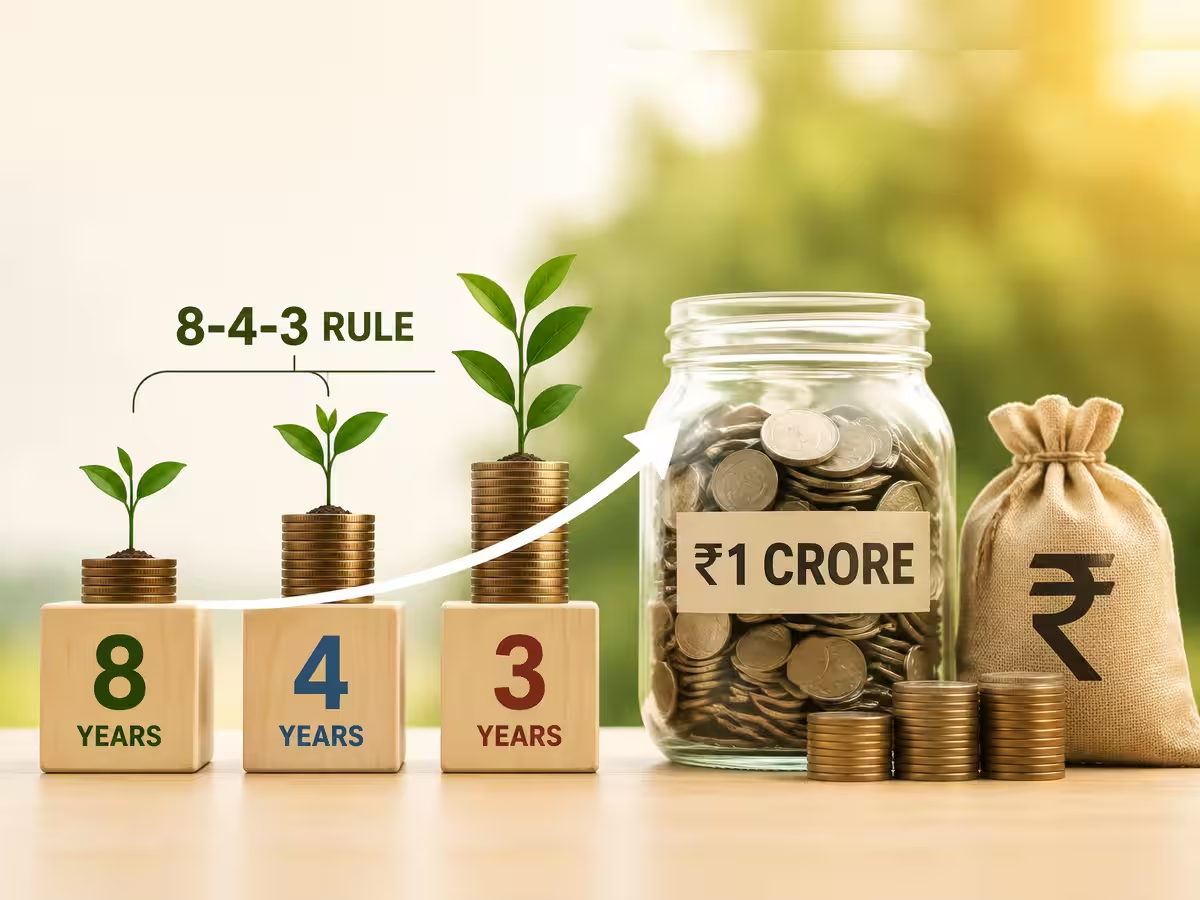
The first 8 years is the slow and boring accumulation phase, this is where the initial investment base is constructed. This is typically the period where people see no action and pull their money out, they chase other investments as they lack the patience to move into the growth phase. The next four years is where returns start generating returns, this is where the same rate of return produces double the rate of incremental growth. Simple interest is calculated on the principal only, the first 8 years does not see much compounding, in this phase, principal and interest is earned.
The final three years is where the compounding accelerates, the intention is for the wealth generated during these years to at least equal, or better to exceed the previous 12 years of growth. If a $500 per month investment is made, that is $6000 per year, over 8 years [96 months] this is a $48,000 investment to build a base. This is modest investment by most standards, about $125 per week is possible by many investors. Assuming a 12% interest rate, this is a high-growth investment, then that is around $720 in the first year.

