
I write an opinion based blog that is researched and draws on references based on current events, business case studies and management perspectives. Sometimes you can rely upon industry best practice; however, some of the best case studies are based on management failures. The failure of values-based leadership, or any real leadership strategies at all.
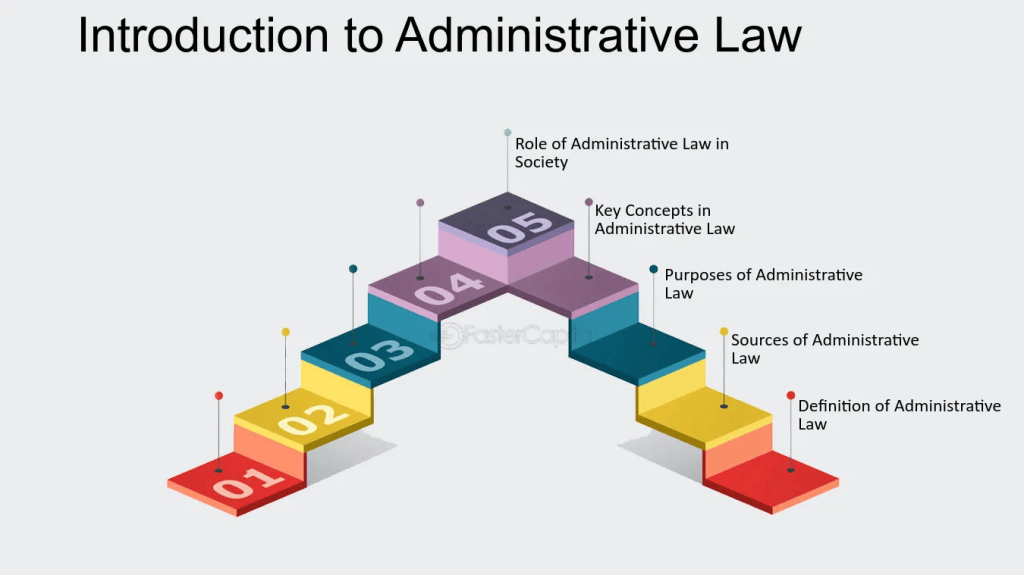
The Public Sector Management Act 1994, under Section 8 – Human Resource Management Principles cites arbitrary and capricious actions under sub-section (c) stating employees are to be treated fairly and consistently and are not subjected to arbitrary or capricious acts. Well, that is all good if human resources and senior management are doing their job. In reality, human resources should be advising senior management of potential liability, organisational risk and the potential of reputational damage. That is basically taking a cautious approach, fair warning should be given. When human resources are driving this agenda, then you know human resources are the issue based on spite and reprisal.
So what is arbitrary and capricious action? Well, arbitrary is based on a decision made without reasonable justification, or proper consideration of relevant factors. This could include the termination of an employee based on an unsupported hunch, rather than based on evidence. This could include disregarding established policies. Capricious is a sudden or impulsive unmotivated change in attitude or behaviour. This tends to indicate, or suggest a decision made on a whim or out of spite that is not based on reasonable business logic. This is where a half decent industrial lawyer gets to work and holds the organisation accountable in a legal and moral sense.

