
The ethics of whistleblowing involves a number of moral values, one is loyalty, the other is equity principles. The individual has to balance the principles of loyalty to their employer or organisation whilst ensuring their personal values are not compromised.
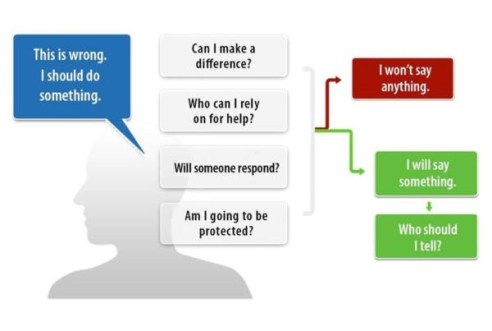
Whilst loyalty is an admirable quality, one’s responsibility to act in an ethical manner in order to ensure organisational integrity. It takes a strong character to call out wrongdoing, it is a career killer at best and could get you blacklisted at worse. Then you actually have to make your way into work, you may have ethics, but you have to deal with the workplace gossip and associated pressure.
The moral dilemma of conducting oneself in a morally justifiable manner doesn’t pay the mortgage, the bills or put food on the table. Ultimately one has to consider their personal situation, that is important, but also important is taking an ethical stance when they know it will only bring personal hardship.
So, is whistleblowing an ethical practice? Absolutely it is, the onus is not on the individual who uncovers wrongdoing, the responsibility is of the management to create a culture where misappropriation and wrongdoing is discouraged to such a degree that no reasonable person would even consider engaging in unconscionable conduct.

