Nomos Glashütte

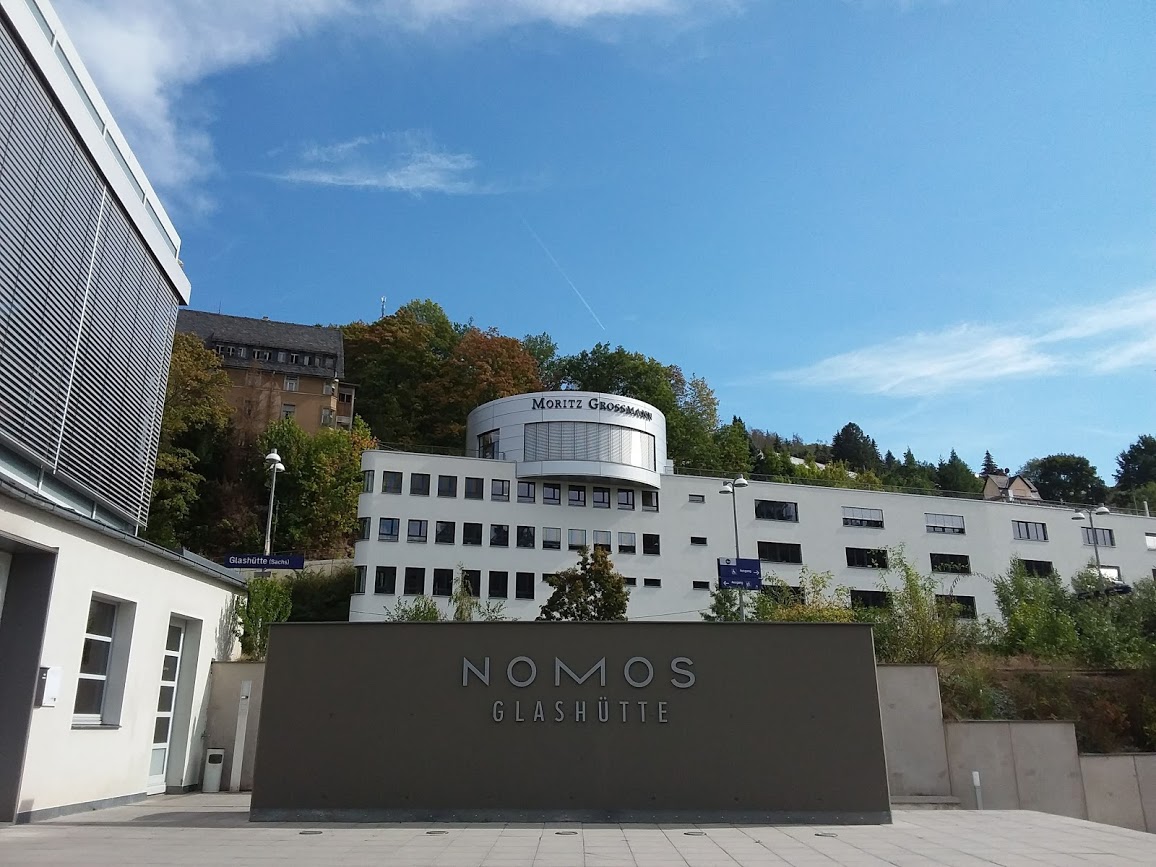
I am fast becoming interested Nomos Glashütte, a reasonably small, but highly respected watchmaker from the village of Glashütte in Germany’s Saxony region. Whilst not impossible, it is not easy to purchase a Nomos Glashütte in Australia, they don’t have a distribution network, with the right marketing, I would expect Nomos Glashütte to be popular in Australia.

I like the clean dials, the uncomplicated bauhaus design principles, the in-house movements really top off the uncluttered design of the Nomos range as previously stated, they offer some pretty decent in-house movements. The Glashütte design principle of the three quarter plate is interesting. The three quarter plate is apparently stronger than a standard plate, this is a Glashütte design principle, the German style plate brings strength without added weight. I had the chance to purchase a Nomos Glashütte when I was in the Philippines, I passed the opportunity up as I was indecisive at the time. Now I regret my decision but at the time I really didn’t know their range well enough – a missed opportunity.

Covid freedom

I read American comments on social media in regards to personal freedom in the times of covid. The American ideal of personal freedom at the expense of other peoples freedom is a flawed ideology.

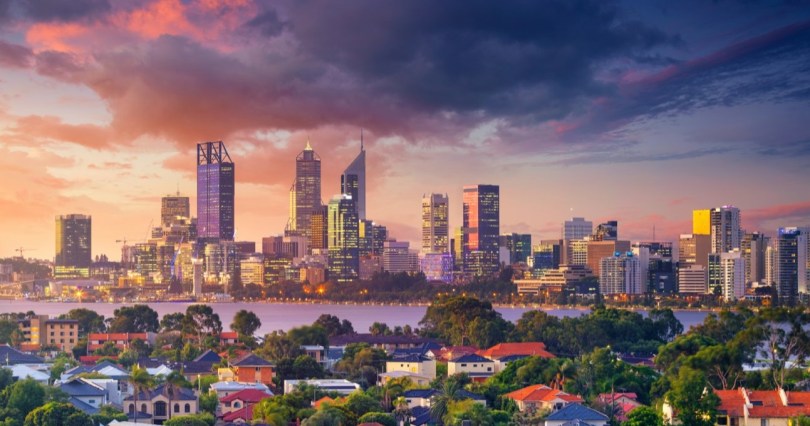
Perth city sunset

Freedom doesn’t have to occur at the detriment to others, I choose the freedom to not contract the covid virus and then infect other people. If that requires me to stay home, wear a mask when out, not engage in international travel and social distance – then so be it. This bullshit notion of Trumpism fake news is an irresponsible flawed argument. He has single-handedly reduced the US economy to taters, made a mockery of government agencies and programs as well as produced the highest death toll in the world.

In Western Australia we lived 10 months through the height of the covid pandemic with 0 community transmission. We had a single case of community transmission, this occurred with a security guard who ensured returning travelers maintained hotel requirements. We went into a snap one week lock-down to ensure the virus wasn’t passed on. There wasn’t too many complaints, we knew what had to be done. We were then required to wear masks in public, I was yet to don a mask. 

This changed in February 2021, we then had a week of wearing masks in public and then with zero cases, we returned to the 2 square metre rule and life as normal. With a little inconvenience, our life returned to normal again after two weeks. Nobody died, nobody was hospitalised, so there was no ventilation required. This is freedom, the freedom to not infect the community and to kill people. Anti-maskers are selfish idiots, Trumpism spurned fake news and not wearing a mask as a political statement – morons. 

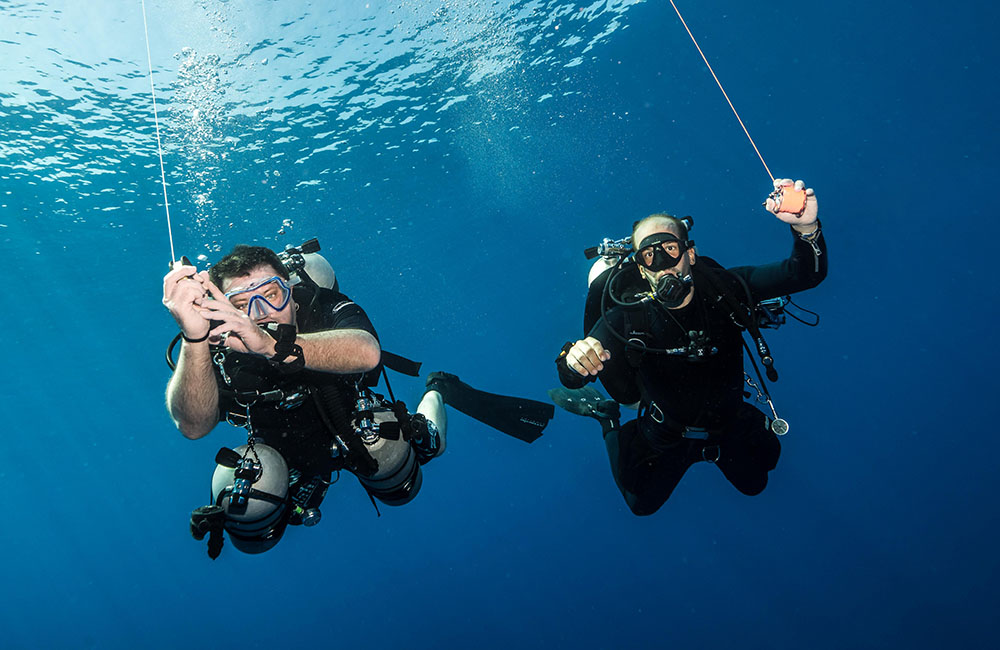
Technical nitrox – an ideal learning platform

When nitrox burst onto the diving community in the early 1990s, it was considered a technical course promoted by the diving cowboys at these strange IANTD, TDI and ANDI certification agencies.

Whilst nitrox dive computers were available back then, it was the equivalent of purchasing the first car phone, flat screen television or laptop computer. Compared to today’s technology, they were expensive and lacking functionality. To be an early adapter, you had better ensure you had a good credit rating and deep pockets. Back then, I had graduated from dive tables to a dive computer – an air computer. Nowadays, all dive computers allow nitrox use as standard.

It was like owning an old mobile phone that are now referred to as bricks. The new dive computers are compared to a smartphone; indeed, the new OLED screen technology is adapted from smartphones. Needless to say, when diving nitrox, my air diver computer was left back at the dive centre and a depth gauge and dive accompanied my dive slate with a full hand calculated dive plan neatly written out complete with turn-points, CNS%, OTUs and gas usage for each depth in runtime.

Geez, I wasn’t even going into deco, this was just a three-level dive with standard scuba equipment. After a while I started to get smart and kept copies of old dive plans so I could redive certain profiles without the need to recalculate the whole dive. What you gained from exposure to these calculations and dive planning is a through knowledge of nitrox whilst you developed the discipline to execute your dive plan to the exact depth and time.

My plans were always to the no-decompression limits for each depth on a multi-level dive, you had to display personal discipline, a trait I maintain to this day even though I have graduated to a dive computer. Even with current risk adverse dive computer profiles, they still allow more bottom time than the old tables and multilevel profiles.

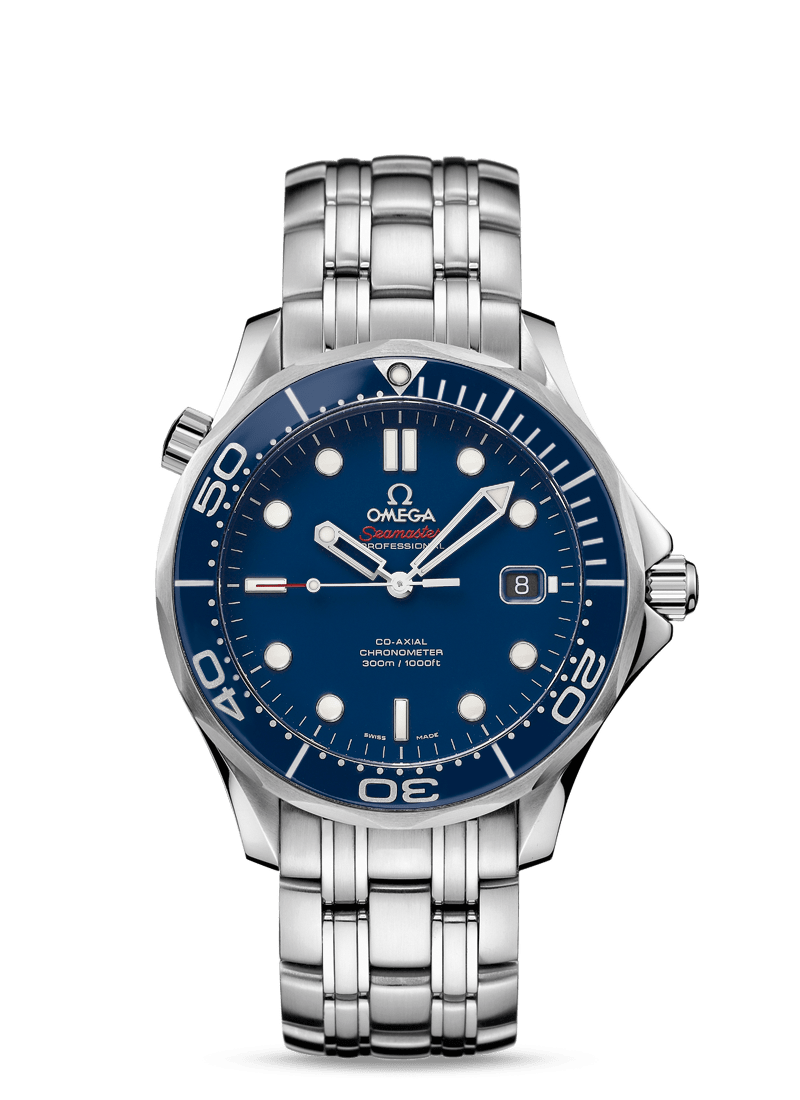
The Omega Seamaster Professional

Within watch circles, the Omega Seamaster Diver 300 Professional is known as the Seamaster Professional, or more simply as the SMP. I will start with a negative, the index marks on the ceramic bezel look great in photographs. However, the lack of white enamel in the index marks makes them a little hard to read on the wrist, this is especially so underwater – this is a dive timepiece after all.

Whilst a new model has now superseded the SMP, the 212.30.41.20.03.001 may well become the collector’s model with the deep lacquered dial and unobtrusive Helium valve. The 2500 automatic movement has the co-axial escapement and whilst not entirely an in-house METAS certified movement – it goes ok.

The Co-axial 8800 is undoubtedly a better movement, that is true, but the 2500C is based on the base ETA 2824-2 with Omega refinements and the George Daniels designed co-axial escapement. The base movement is certified to Omega certifications, that will be the highest specifications available, although the movement isn’t METAS certified, I have no issues with that.

I prefer the deep blue lacquered dial of the older model, this is when Omega decided the waves were to be replaced for a plain and uncluttered dial. The steel-on-steel 210.30.42.20.03.001 returned to the waves on the dial making the blue lacquered dial of the 212.30.41.20.03.001 somewhat of an abnormality that could well make it more collectable in the future.

Retirement planning considerations

My primary retirement planning considerations are always going to be financial; however, secondary considerations are going to be where I retire. Sure money is important, what money buys is a decent lifestyle, no point working all your life then not enjoying your time off, work hard then retire early, the plan is to retire early enough to enjoy the time.

I live in Perth and enjoy living in such a remote capital city of about 2 million people. Summertime is fantastic, late spring and autumn and also great time. Winter sucks, Perth is an awful dreary place in winter, the only redeeming feature is going and watching the Fremantle football team play at home every second weekend – hopefully they will be competitive then.

My plan is to spend at least winter living overseas, that’s at least three months of the year. I think that could easily be extended to four, five or six months very easily. I own my private residence outright and have done so for a number of years, I don’t owe any money and have no net debt. During the summer season, I am happy to be back in Perth to enjoy summer, water sports including diving and sailing are what enjoy life is about for me.

So now the question is where? I have spent plenty of time in South East Asia over the years, the region is well priced and affordable. From Perth, flights are reasonable and frequent to most destinations. Sure, I will likely have to transit through a hub such as Singapore, Bangkok or even Hong Kong, but I don’t mind.

I looking a little further away, the European summer is my first choice with the Mediterranean countries of Portugal, Spain, Italy or Greece my primary destinations. There is nothing stopping me from moving around from year to year although I want to remain close to my primary accommodation for the European summer.

Chinese mining missteps

The Chinese are getting into mining, their arrogance and lack of ability are hindering the industry in ways you could only imagine. What they should be doing is acquiring projects then recruit and select the best talent to manage these projects based on competency and not misplaced nationalism.

They don’t know what they are doing, everyone knows that and one of the first moves they make is to get rid of the expats on the job. Whilst they believe they are superior in every way, I am enjoying watching them bumble their way through like an Inspector Cousteau clone. They do not start up greenfields projects, they purchase (usually with government assistance) existing projects, mouth off about superior management then turn the projects around. I love meetings with them, they will only trust the word of a Chinese expert (who is usually anything but) and disregard what any non-Chinese person says.

When I request the qualifications and experience of these so-called experts I find that they are nowhere as qualified or experienced as the personnel they replace. They are cheap, that is true – really, really cheap but one has to look at the value they generate for the firm on a cost per unit basis. All of a sudden, this low cost labour input may have worked in the low value added manufacturing industry. This is not replicating well in the higher technology mining business where you need to analyse outcomes based on cost v output.

Now when I say turn the projects around, I mean they turn a profitable project into a loss-making business venture. They then have two options, they either realise their mistake and rehire western expats to make the project profitable again, sell the project for a loss and there is a third option. They can close the project down and write the whole project off as a loss.

While a decent business enterprise is follow Chinese mining companies around and purchase their operations cheaply, it doesn’t necessarily work like that. They run the plant and equipment down so poorly that it isn’t worthwhile to repair, enormous capex is required, the supply chain is degraded and non-operational, supplies are wary and businesses damaged.

Community engagement, the environment, safety and sustainability issues; well, you can forget about that. This fixation with driving costs down at every opportunity is the heart of the problem. This short-term term thinking is damaging the long-term prospects of the business. Sure, all businesses must control costs but investigate the internal environment, map the value chain for efficiencies and derive a sustainable competitive advantage based on core competence. In short, learn and replicate established business practices, create a lean organisation and reduce waste.

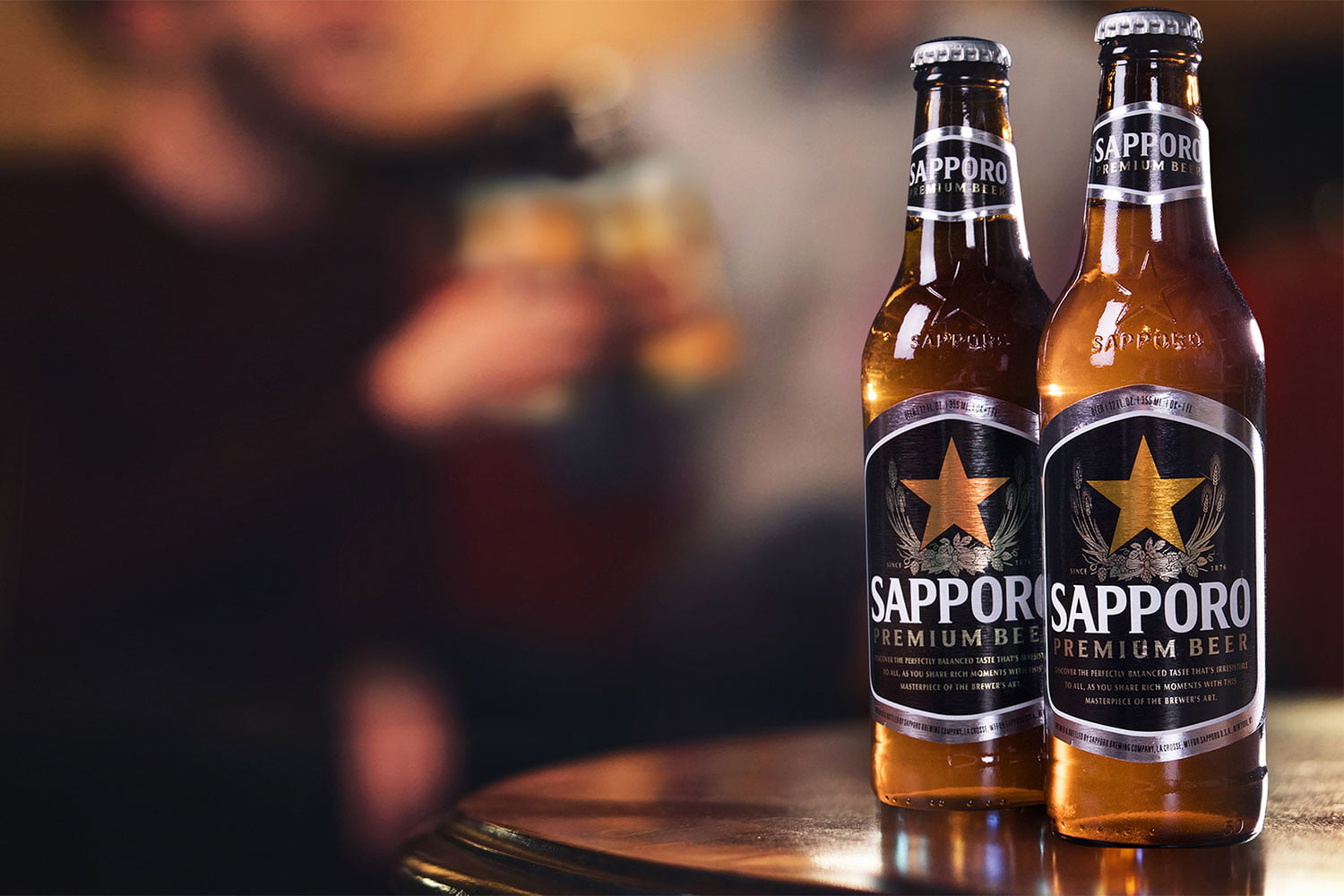
Sapporo beer

Founded in 1876, Sapporo is Japan’s oldest brewery and produces a pretty decent beer. Sapporo is available throughout Asia and available at most decent outlets in Australia both in bottle and can form. I see it less on tap, I am sure it is available at the better establishments though.

Whilst this was not my favourite Japanese beer to start with, this is pretty much the most popular beer in Japan so I decided to look at it again and changed my mind. I reckon Sapporo is a decent beer, this is now my favourite Japanese beer. Not that I purchase much beer, but if I do I am generally in the international section of the bottleshop either looking at European beer or the Japanese options. This is worth looking into on a hot summer afternoon when I have friends around, a pretty popular choice.

Brewed by Seibei Nakagawa, he was originally trained in Germany after leaving Japan at age 17 becoming Japan’s first brewmaster. The brewery is in the city of Sapporo on the island of Hokkaido, the largest city on Hokkaido. The city of Sapporo is in the south west of Hokkaido, the most northern of the main islands. The city of Sapporo was somewhat famous for hosting the 1972 winter Olympics, the first nation in Asia to host an Olympic games, it would be fair to say Sapporo beer would have been the beer of the Olympic games.

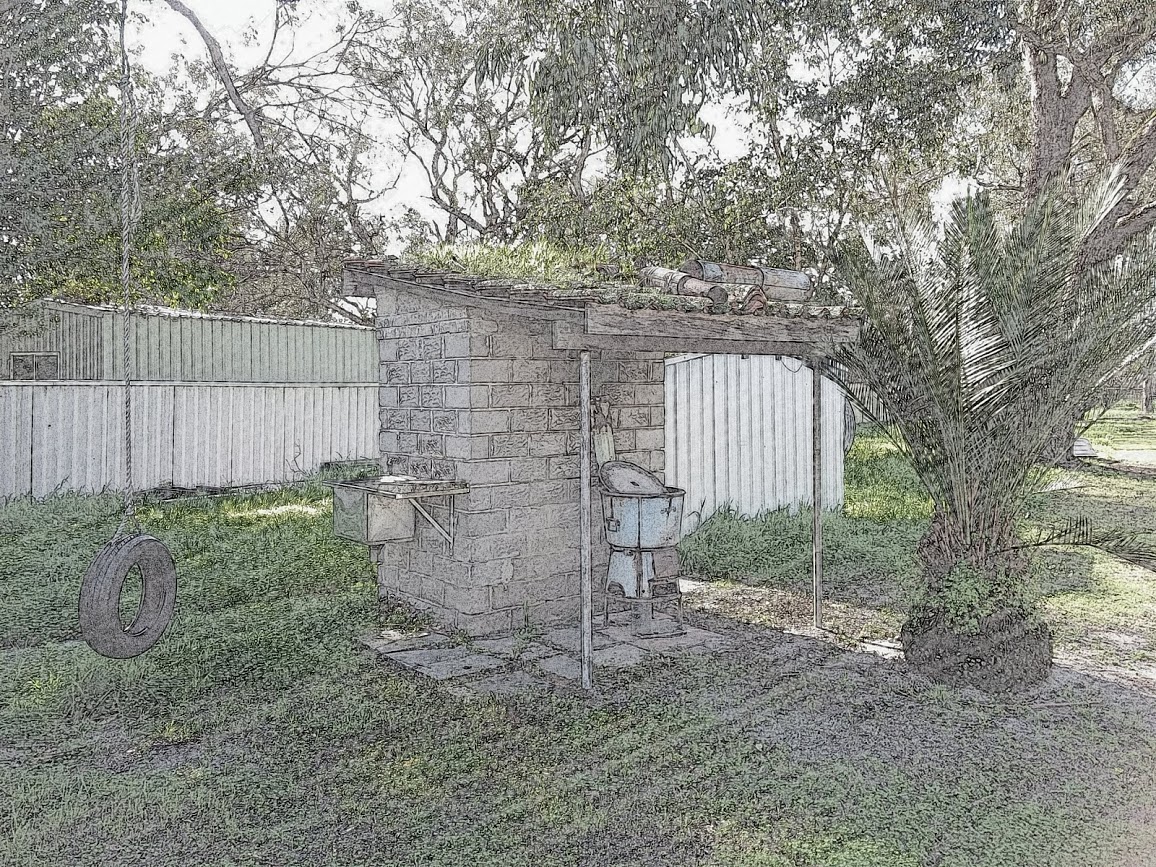
The old outhouse

The family holiday house is a pretty simple building constructed by my family in the period just after World War II. I have a lot of respect for these guys, through their hard work and foresight, I have a great asset to use. The original pre-war building in the 1930s was constructed from wood and thatching. The next phase of construction was hand-cast and fired bricks, as my family were all tradesmen, they built the house from the materials onsite themselves, I have a lot of respect of these guys.

Apparently the men would travel south on the weekends to build the house, it was a little remote back then so trucking in materials was difficult along bush tracks. From what I am told, it was a long trek to get there in the transport of the era. Houses of that era had outside toilets or outhouses. There was no plumbing so it went into a pan, there was a little side door to retrieve the pan to empty it. Needless to say, they wanted this well away from the house.

The old outhouse is no longer functional, it is now used as a shed to store wood. We had a rain water tank for fresh water, nowadays there is scheme water with indoor plumbing. The water tank is gone, ironically, we don’t drink the tap water and instead use bottled water. Even better, you no longer need to stumble outside in the cold of night. Then there was the rain, rushing outside in your rain coat trying to avoid getting wet. There are no problems with snakes or spiders curled up in the outside toilet. Was this a problem before? You bet it was.

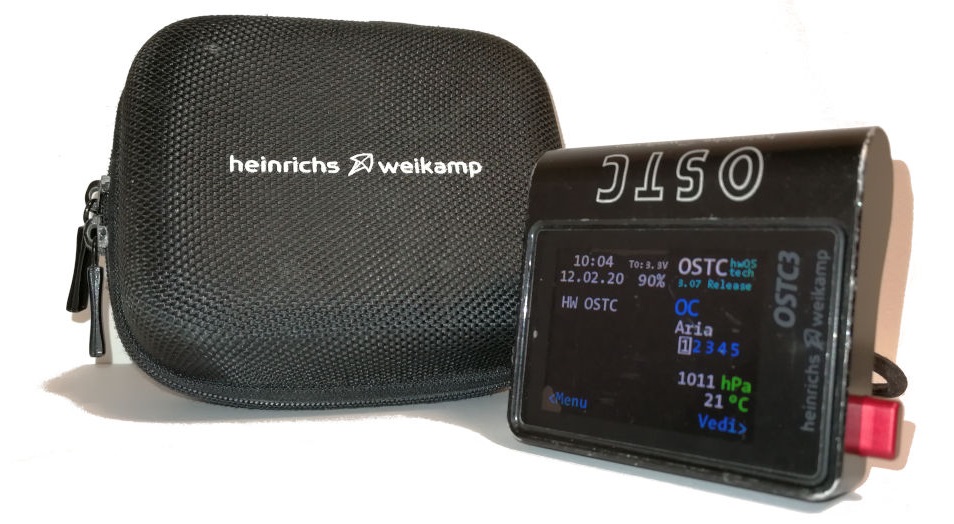
The OSTC3 dive computer

Having upgraded my failed Heinrichs Weikamp 2N dive computer to the supposedly feature rich OSTC3 model, I am seeing major improvements from the 2N. The milled billet aluminum housing is an improvement over the polymer plastic housing of the 2N although I actually preferred the screen configuration of the 2N over the OSTC3.

The Buhlmann ZHL-16C algorithm with user programmable gradient factors is greatly enhanced, this is a much better design from the 2N. I dived the computer side-by-side with my proven and dependable VR3 computer to compare algorithms in what one expects to be comparable profiles. When diving square decompression stop profiles, the two computers pretty much calculated similar profiles less the two deep stops programmed into the VR3. However, multilevel profiles were reasonably close bar a few disturbing occurrences once I reset the gradient factors to become more conservative.

Much to my surprise, when I dived the 2N alongside the VR3 and old Aladin Sport dive computer, the no-decompression limits varied enormously; the 2N give anywhere from 30 to 45 minutes more time at each level than the two other Buehlmann algorithm computers – alarm bells started to ring. Whilst it may be argued the Aladin Sport utilises a Buhlmann ZHL-8 algorithm, the differences in no-decompression limits are extraordinary. This makes me nervous, the last thing I want to do is get bent diving within the limits of a particular dive computer, this time I am a little more cautious than I usually am.

Still, despite my apprehension, I still dive the Heinrichs Weikamp OSTC2 dive computer as the computer is easy to navigate, easy to gas switch and reasonably reliable. As with any decompression application, I dive with two depth/time monitors so I am happy following my main dive computer with the OSTC2 as my redundant device.

Sun Yang – the drug cheat

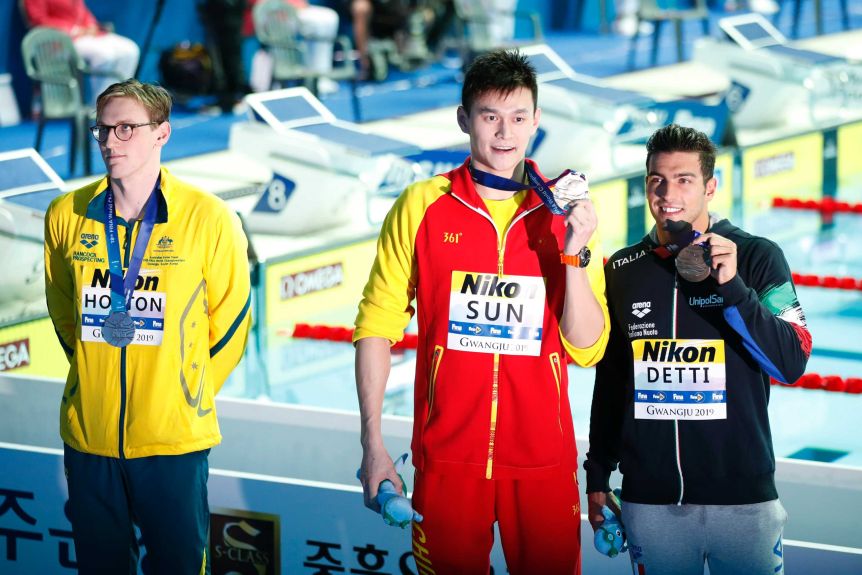
So Mack Horton was right, Sun Yang is a drug cheat. It is proven now, the Yang has been banned from swimming competitively for 8 years – that’s it, he is done. Sure, he challenged the verdict and had his ban reduced, it was still long enough to keep him out of the Tokyo Olympics.

Mack received death threats, not only that, his family was targeted by faceless cowards who not only hid behind screens, they targeted his family too. Well, when Sun Yang ran out of excuses and the Court of Arbitration for Sport upheld the ban, a whole lot of CCP synthesisers started to look like idiots. Mack has been exonerated, Sun Yang has been exposed as the drug cheat that he is. The Court of Arbitration for Sport are gutless though, Yang should have been stripped of all his medals. Horton had the family house targeted by Yang’s gutless followers, the brazen intimidation that Horton stood up too.

Horton really got the trolls riled up when he refused to take the podium with Yang after the 400 metres freestyle final in South Korea where he came second. But this isn’t sour grapes, Horton beat Yang at the 2016 Rio Olympic Games where he called him out then. It should have never got to this, they should have been on top of this. Still, the IOC, and to a lessor extent the international swimming controlling body show really get their act together, they need to be immune from pressure from China.