Diving in Boracay

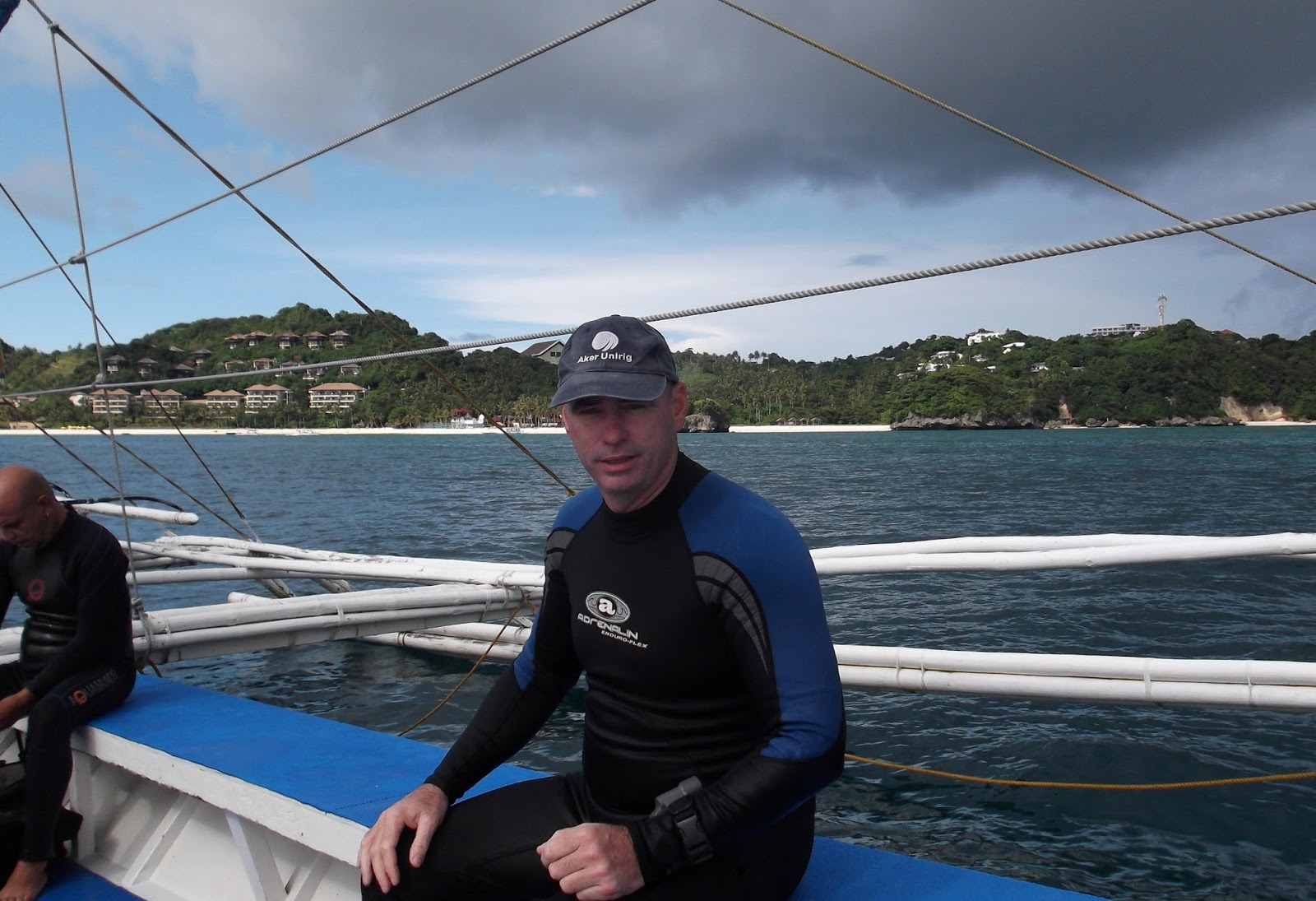
Boracay is not only recognised as the top beach in South East Asia, but also one of the top beaches of the world. White Beach is pretty good; I have no doubt this is the best beach in South East Asia but I do have some reservations as the top beach worldwide.

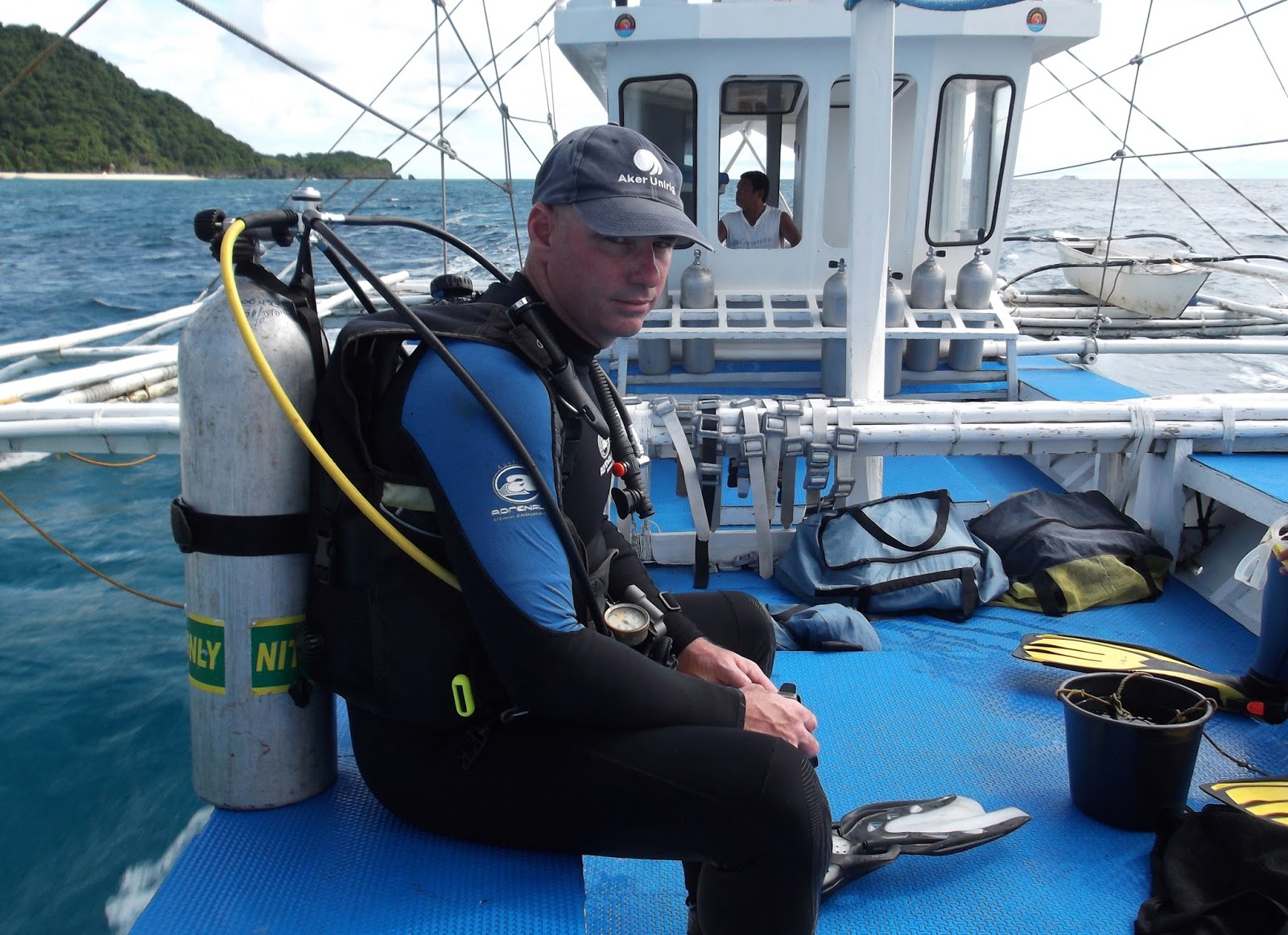
Despite its many attractions; what Boracay is not well known for is as a dive location. The Philippines is a top notch dive location spread across its thousands of islands; however most of Boracay’s divesites are pretty ordinary and not recommended with the notable exception of the Yapek wall.

The most outstanding dive in Boracay is Yapek II, a vertical wall beginning at 30 metres and heading downwards, a dive here will earn you some hang time in blue water if you wish to spend some time at 40 metres. On my last dive there; we were swimming in the current surrounded by schools of fish rounded up by a series of sharks against the wall – this is by far my most favourite dive on Boracay.

Other top class dive sites include Yapak I, Punta Bunga and Channel Drift may be ok when the current is running.

For me, dives to avoid in the area are any of the dive sites directly in front of White Beach, a number of times we got dropped in flat featureless terrain and swam for 20 – 25 minutes to get to a small wall or rock.

A down side of Boracay diving is price fixing; the majority of the dive centres are located on the beach, whilst wandering around the beach comparing prices, I firstly noticed that all dive centres display the exact same price for dive courses, introductory dives and dive trips. I enquired with numerous shops on the beach and none were willing to negotiate on price; I was told that the Boracay Association of Sport and Scuba Diving fixes prices and should they sell dive trips under the mandatory minimum price, they will be reported to the association by other dive association members and fined. A number of dive centre staff openly admitted to institutionalised price fixing and felt there was nothing wrong with this.

I was even given the contact details of Niek, known as The Sherriff for his robust policing of their price fixing cartel; I went to visit him a number of times to seek clarification but was unable to get hold of him as he was always out – presumably in the water as he is a local dive instructor.

Boracay is sun and fun, with the exception of a couple of sites, this is an expensive place to have some pretty ordinary dives – better to head to Anilao, Bohol, Moalboal, Malapascua or Sabang.

Top Fuel – a night at the drags

Being a mechanic by trade, I have been told I should hold more interest in motorsport; that unfortunately is not the case with my interests usually maintained through watersports and marine activities.

However, when the the top fuel dragsters are in town, I don’t mind heading down to Kwinana Motorplex once in a while to experience the ground vibrate and shake when these extreme nitromethane/methonol machines launch off the line for a sub five second pass down the quarter mile racetrack. This is a experience that can only be felt at the track – it doesn’t work on tv.

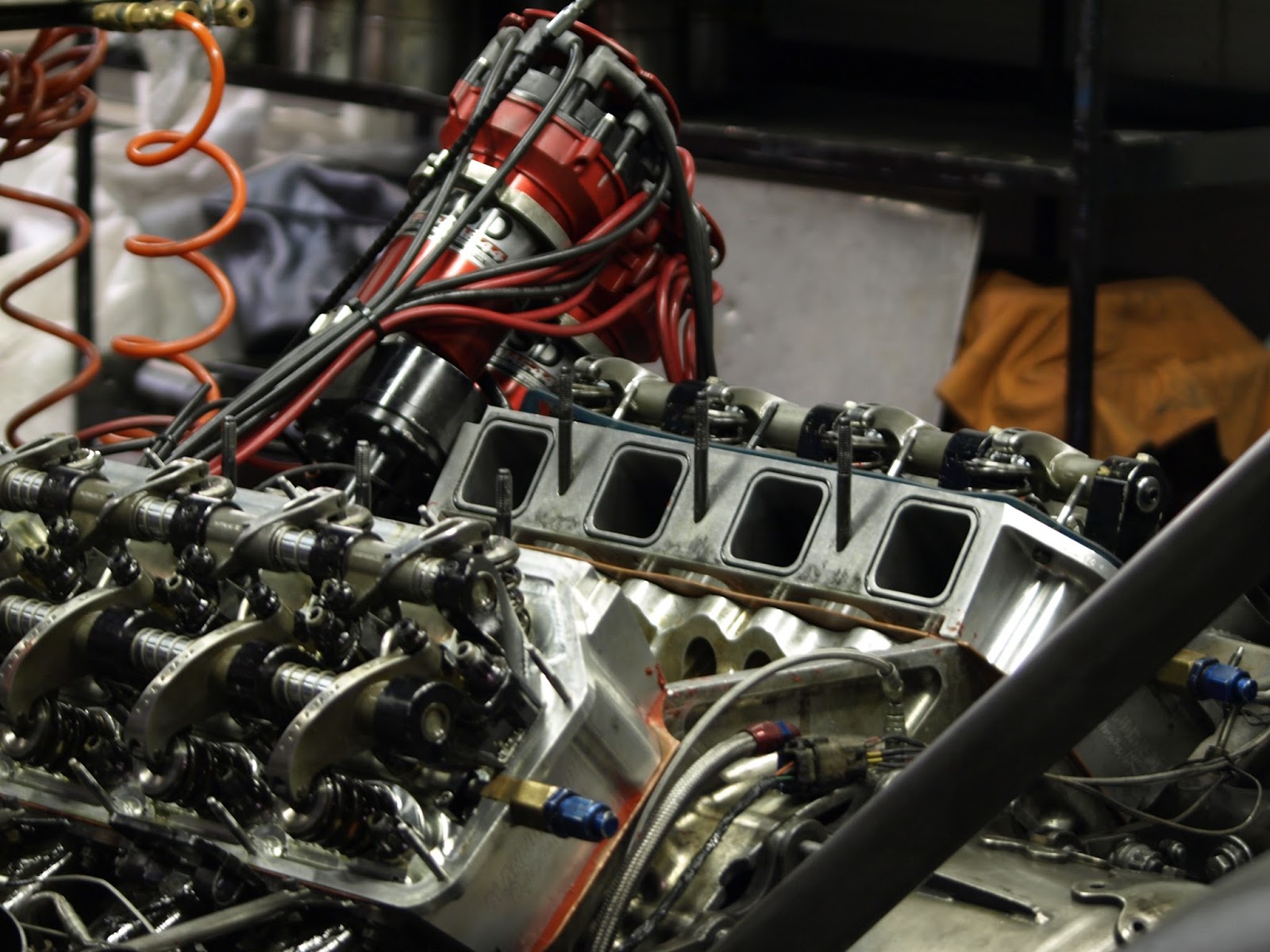
The flames exiting the exhaust add to the show, as darkness descends, the start line is lit up as the lights on the Christmas tree countdown to green. The sound emitted by these ultra horsepower dragsters is deafening; but close pay attention, the race is over in a blurry flash as the tyres gain traction and the machine is launched down the track before the parachutes open to slow the missile as the engine is immediately shut down as the dragster crosses the line. The engine is rebuilt between passes – amazing.

Taking my Zuiko 75mm – 300mm lens with me to catch the action allows me to position myself away from the crowds, catching these machines mid run is proving to be difficult with eyeball hemorrhaging acceleration resulting in speeds exceeding 500 kph. A top fuel dragster can accelerate from standing to 100 mph (160 kph) in as little as 0.8 of a second.

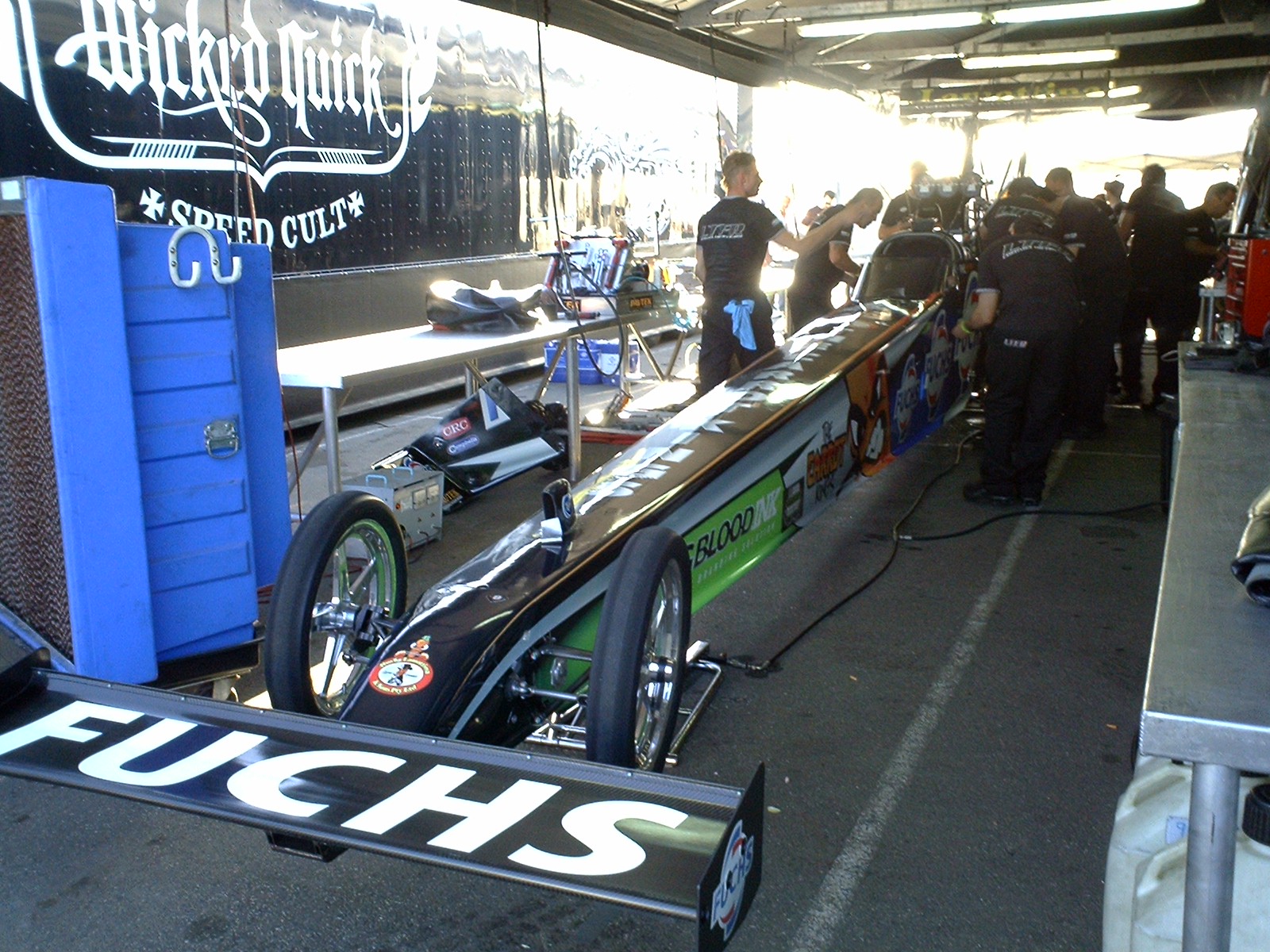
Fuchs receiving work prior to its run, whilst costing extra, a pit pass is well worth the investment, watching the team at work is half the fun of the night. The engines are rebuilt between passes, a team of mechanics descend on the engine and clutch assembly stripping down, measuring and rebuilding the engine in thirty or so minutes – amazing. I don’t get there often but when I do, I always enjoy as this is a different Saturday night out from what I am accustomed.

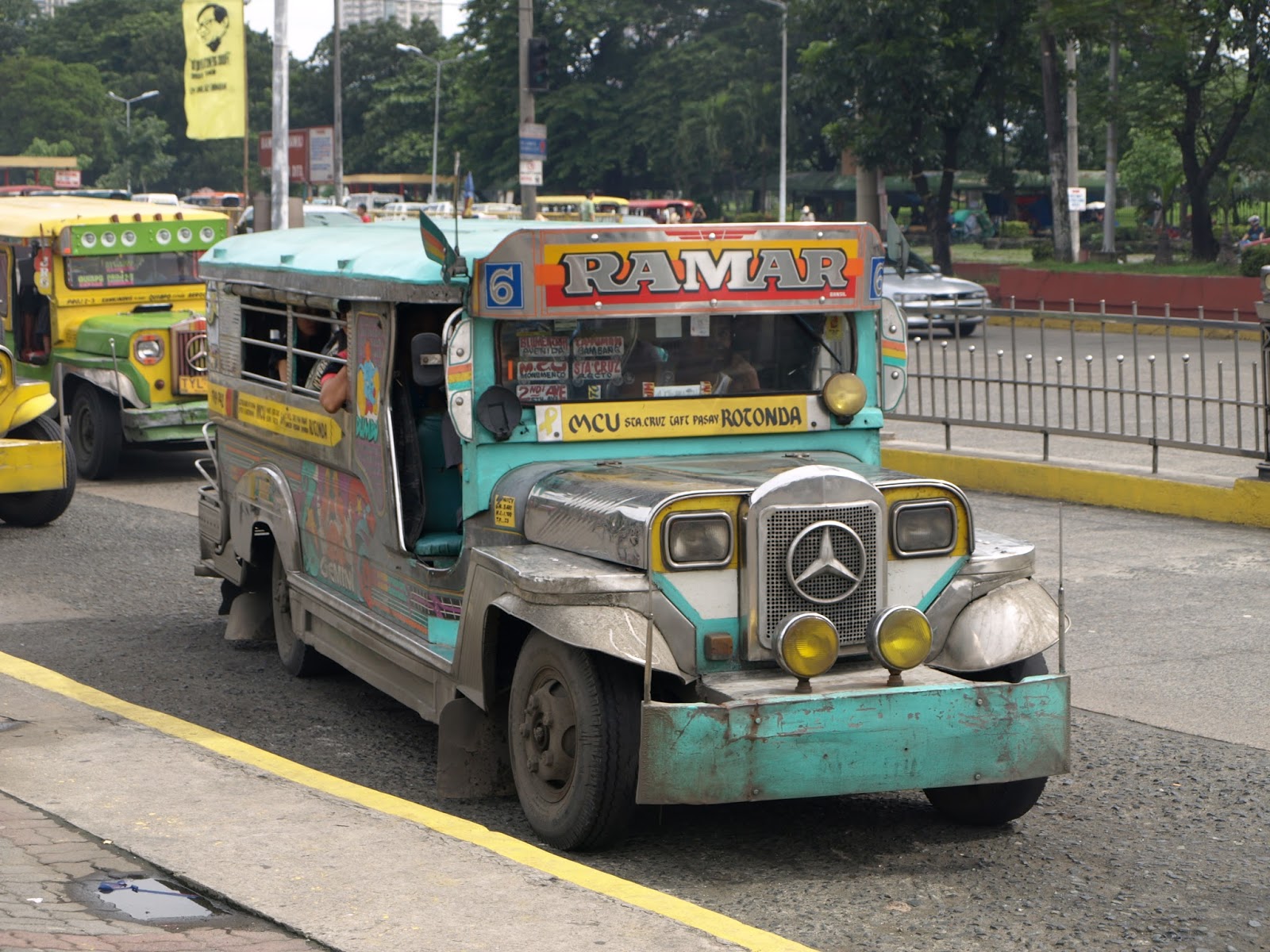
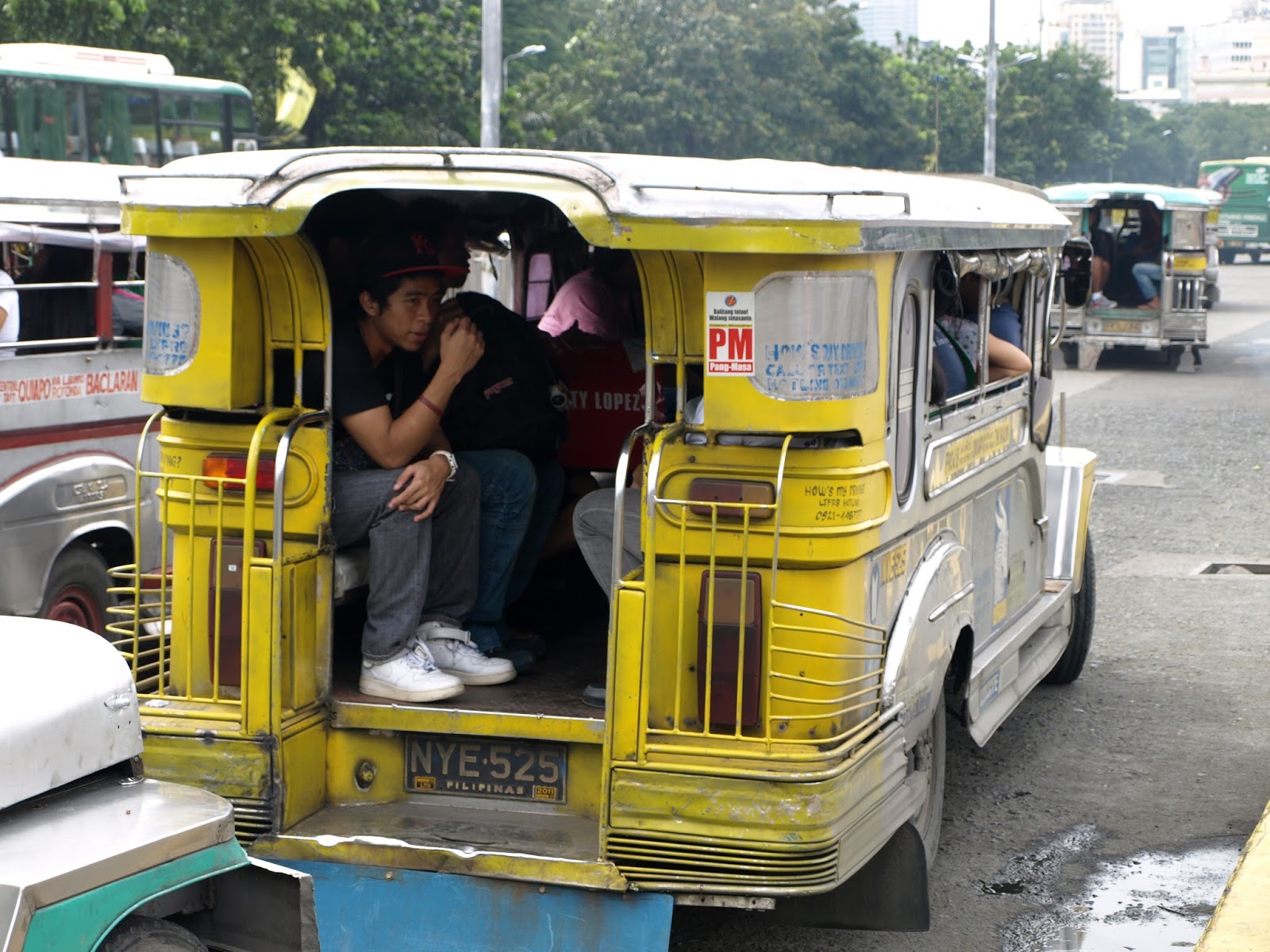
The Jeepney – relics of a past era

The jeepney, a horrible relic of the old Philippines clogging the roads of a city trying to modernise but unfortunately adding to the chaos that is Manila. These awful automobiles should be banned in the city with a more commonsense approach taken to public transport and mass transit.

Of course, when I am over in the Philippines, I use jeepneys to get around. Outside of the cities and in the provinces, these are wonderful modes of transport with everybody cramped together on the bench seats in the rear breathing in toxic exhaust fumes through the open doorway. These vehicles have more that just a little of a military feel, built from former WWII jeeps and spare parts left by the Americans at the end of the war.

In the post war years, modified jeeps made an excellent low cost mode of public transport painted in vibrant colours and featuring chrome plating and excessive levels of noise and pollution. Hopefully, this mode of transport will soon be extinct and the Philippines can move forward modernising its transport system.

The Long Bar – Singapore

The Long Bar at the Raffles Hotel, Singapore is an iconic location and well worth a visit. Named after Sir Stanford Raffles – the founder of the modern island city state reminds the visitor of Singapore’s colonial history. The grand style of the Raffles Hotel located in the centre of modern Singapore serves as a reminder of the age of elegance well aligned to Singapore’s colonial history.

The Singapore Sling, invented at the Long Bar in the period around World War I is now pre-mixed at the bar and served production line style. Some would argue this modern mass produced version is an expensive rip-off – I would tend to agree. I only bought one drink at the bar, the price is outrageous – don’t fall into the trap of purchasing a number of rounds only to pass out when the bill arrives. Of course, peanuts litter the floor, the ambiance is excellent though – worth a visit.

I prefer a darker style drink than the one served at the Long Bar; firstly it is hand mixed containing 2 parts gin, 1 part cherry brandy, pineapple juice, lime juice and Cointreau. Some recipes include angostura bitters, grenadine syrup and benedictine liqueur – my personal preference though is the more basic drink. I am led to believe the wider Singaporean version is notably different to the Long Bar version, the drink is served throughout South East Asia and arguably better.

The politics of character assassination

With the looming federal election just weeks away; I am hoping the politics of character assassination will soon draw to a close. I know this is unlikely, yet I would like to see a clean election fight based purely on policy.

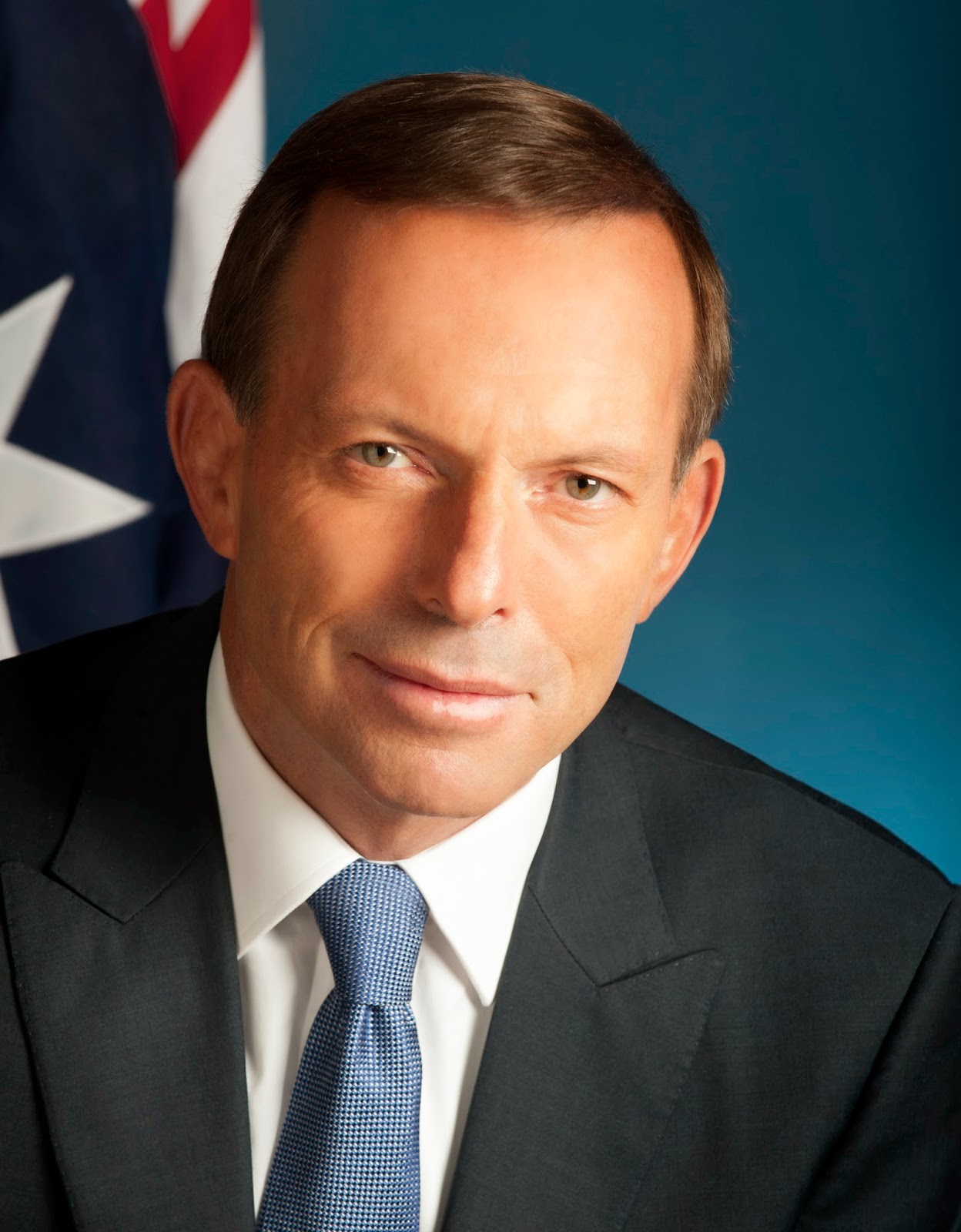
At every opportunity, the former prime minister and current prime minister, deputy PM (both of them too), every minister (including the ones who were fired and the ones that resigned) and back bench members of parliament blamed Tony Abbott for every issue imaginable plaguing a poor government. Not an interview, press release or political comment began without a personal attack on the opposition leader. I and most of the public who wishes to not be fed spin and lies decided to undertake my own research to find the truth.

Even the first words uttered by Craig Thompson after he finally faced 173 charges for corruption was to blame Tony Abbott for his predicament. Falsely misappropriating funds on union credit cards including theft, obtaining property by deception and obtaining financial benefit by deception and not Tony Abbott may be the reasons for his investigation.

How the %&#@ could Tony Abbott be responsible for these charges, sure he keep the pressure on the government as Fair Work Australia, led by former Australian Education Union and Australian Council of Trade Unions president Sharan Burrow who led the investigation into the charges (no conflict of interest here) undertook a go slow approach taking three years. The former prime minister herself facing allegations of fraud; Ms Gillard, a former partner of law firm Slater & Gordon left under suspicious circumstances had (and still has) her own improprieties to deal with.

There is pure unadulterated fear by union leaders of Tony Abbott being elected prime minister; Abbott has stated union leaders will be held to the same standards as company directors meaning union funds could no longer be used for prostitutes, personal holidays, cash withdraws or any other personal expenses. I am no fan of Abbott; I was surprised at his ascendancy to leader of the opposition, I thought there were better candidates. But such a prolonged and personal attack gained my attention and I started looking into the guy, did these allegations have any foundation?

A bachelor of laws and bachelor of economics at the University of Sydney plus a master of arts as a Rhodes Scholar at the Queens College, Oxford – indicates he is probably not a dummy. Abbott engages in community work as a volunteer fire fighter, surf lifesaving and a couple of short stints in indigenous communities, he competes in iron man competitions too.

Federal minister Brendan O’Connor was forced to publicly apologise after Abbott cut short annual holidays to assist in fire fighting duties with his local brigade; the brigade he has been a member since 2000 including serving as deputy captain with O’Connor calling it a stunt – ouch. I am neither conservative nor religious in my personal views and don’t necessarily follow his political ideology, but I could see through a concerted campaign of character assassination to deflect attention away from failures of government leadership and implementation.

As a follower of Australian rules football, if you play the man and not the ball – it usually indicates you have neither the ability nor the temperament to play at that level, it is clear the current government is out of its depth. I don’t know who is going to win the election; I just hope the next three years is going to be an improvement on the past six years. I hope the standards of behaviour of our political leaders is also held to a higher standard than we have become accustomed too.

A double degree or postgraduate study?

A vexing issue currently being contemplated is what is worth more to employers; a double degree in a complimentary area or post graduate studies like a graduate certificate, graduate diploma or masters degree? A masters degree is, as the Americans say, a no brainer. However, the costs involved are quite significant, a second or double degree may require less units and receive commonwealth funding support – a significant advantage.


An advantage of a graduate certificate is that four units in a vastly different area allowing skills and knowledge to be built; a further four units and a graduate diploma is awarded. This is an excellent choice for someone who wishes to change their career direction after a number of years in the workforce. A person with an engineering qualification undertakes a graduate certificate in management to further improve career opportunities. As was once explained to me, a graduate certificate is a certificate and a graduate diploma is a diploma – you still don’t have a degree.

I recently researched prices for a graduate certificate at Curtin University at $14,600 for the first year of study; a graduate diploma at $29,200 with the master also at $29,200; a grad cert is six months full-time so I would guess the course fee is half of this. Needless to say; that’s some pretty serious fees, the return on investment must be accurately calculated before a career decision is made. For recent graduates; an example I have seen is a person holding degree in English literature; a further six months of full-time study attaining a graduate diploma in teaching allows the person to teach English in high schools.

In the government sector, a graduate diploma will allow progression up the pay scales whilst a graduate certificate offers the same progression as a standard (non-graduate) diploma – hardly worth getting into debt for. However, this person usually hasn’t been in the workforce as a full time student and is the key to landing a full time job. Australia has traditionally placed more emphasis on actual work performance than qualifications, that is of course relative to industry requirements as doctors, lawyers, teachers and engineers are professions requiring certification – normally administered by professional bodies.

Countries like the United States prefer university qualifications as does developed South East Asian nations like Singapore and Hong Kong. However, to become a manager in Australia, successful candidates need no such qualifications with many managers preferring to hold extensive work experience and strong networks. Why would a person spend money to achieve a qualification that is not required? Even key industry establishments like the Australian Institute of Management have internal grading so you don’t need formal qualifications, the Australian Human Resources Institute offers affiliate membership not requiring formal qualifications.

The Australian Institute of Project Management requires a Certificate IV (minimum) or two years experience for an associate member whilst a full member requires 5 years experience or a Certificate IV (minimum) or a qualification recognised by them. Why would any organisation turn potential members away when they could gain a formal qualification through their organisation whilst managers, HR managers or project managers don’t require formal qualifications to gain their two or five years experience.

A person may be already employed by an organisation, burdened by a career ceiling undertake development to display their motivation to management allowing them to consolidate their position as management material. Should they be overlooked in their current role, this places them in a position to apply at other organisations whilst maintaining employment and maintaining currency in the workplace. Being commonwealth supported, I am beginning to believe a double degree may be the better investment in the short term.

The value of obtaining a trade based qualification

Much has been made of the federal government’s plan for 40% of 25 to 35 year olds to attain a bachelor’s degree by 2025. While this is a laudable objective, one has to question the validity of future job roles in Australia.

The Australian economy is built primarily on consumerism with the service sector accounting for around 68% of gross domestic product. The resources sector, widely acclaimed for protecting the nation from recession in 2001 and 2008 accounts for 10% of GDP, mining related activity accounts for a further 9% of GDP.

That being said, the resources sector employs approximately 267,000 people out of 11,600,000 employees in Australia. The services sector is rather ambiguously described as non agriculture, mining, manufacturing, forestry and fishing. The services sector relates to but is not limited to such diverse areas of education, finance and insurance, health, government, transport and retail trade. Training technicians to maintain equipment in the mining sector is vital to increasing productivity. Off-the-job training is conducted in engineering workshops utilising contemporary equipment and current workplace practices.

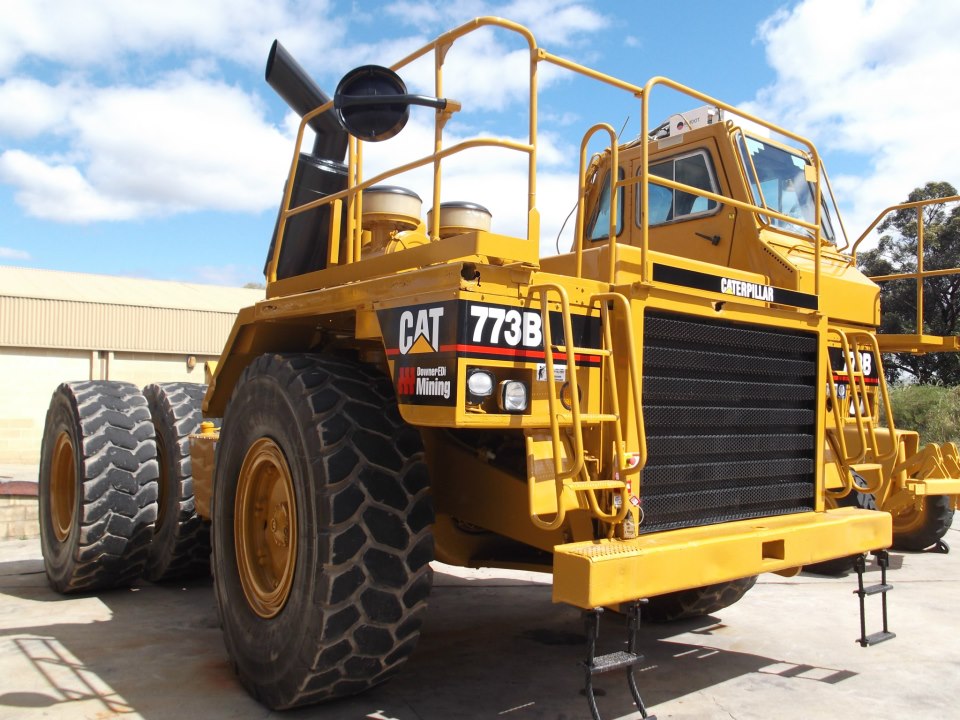
A variety of machine types and manufacturers are available for training, some people feel mining is all about digging big holes in the ground. This could not be further from the truth, modern mining is driven by technology and process. Mechanised mining processes in my sphere of expertise include loading and hauling equipment, dozing, grading, drilling and lifting.

Apprentices are employed by host employers under a training contract gaining on-the-job learning experience, they are released by their respective employers to attend the college to study specific machine systems. The earning ability of technical trade based qualifications in many instances exceeds that of university qualifications. It is no surprise that many trainees already possess university qualifications before undertaking trade based training; many graduates lack opportunities once they complete their studies.

Furthermore, they are saddled with HECS debts in the tens of thousands of dollars. The advantage of an apprenticeship is that the trainee is earning an income during their training; engineering trades usually are for a duration of three and a half years but as the training is competency based, they may be shortened accordingly.

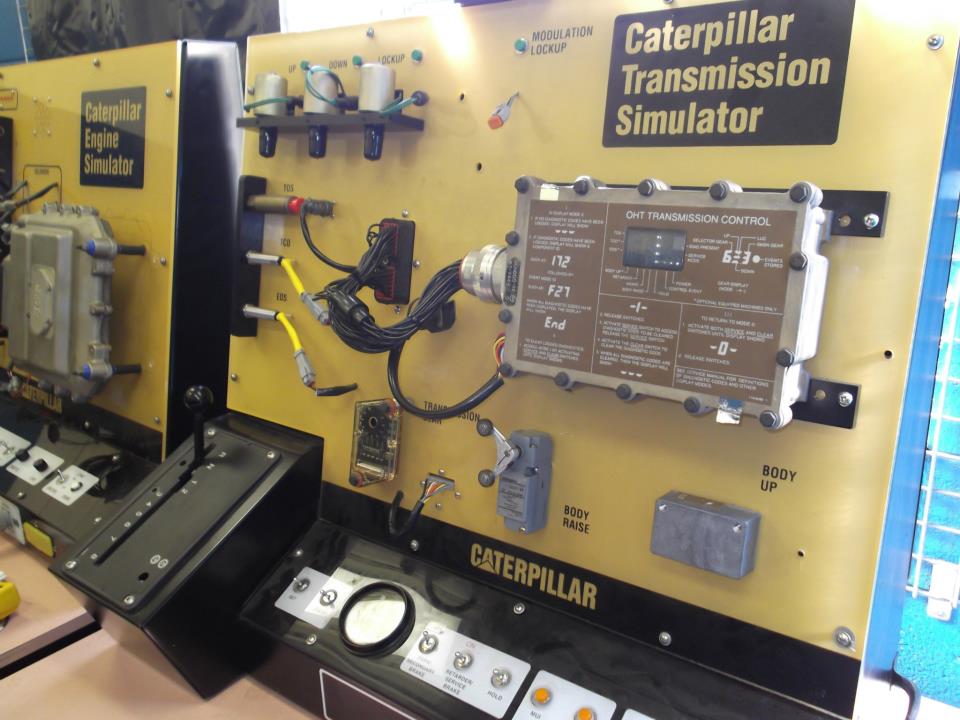
An electronic engine and transmission simulator builds diagnostic skills to trouble-shoot machine electronic management systems. Electronic management systems are widespread on modern machinery that control and monitor engine, fuel, transmission, hydraulic, braking, suspension, steering, driveline and machine monitoring. The modern technician must be must be fluent in technical systems, the learning programs begin on mechanical systems building to electronic controlling systems from leading equipment manufacturers.

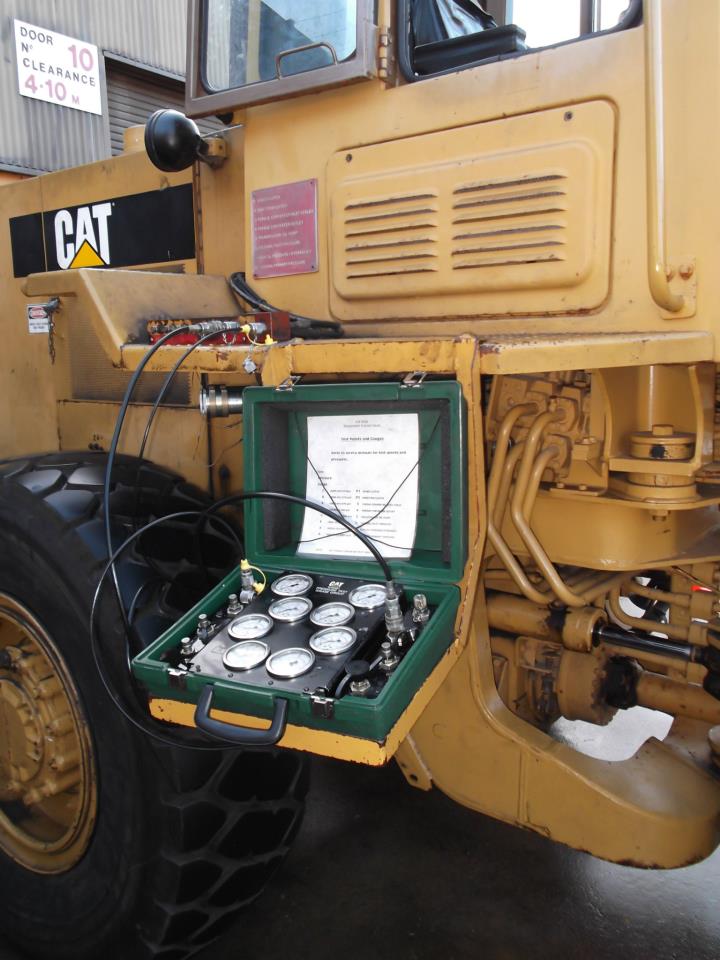
On-machine transmission testing allows trainees to undertake original equipment manufacturer testing procedures that occur on production sites in real world applications. The mobile plant is relatively small as compared to machinery operating on current projects, the college does not have the space to house and operate full size equipment but the principles remain the same.

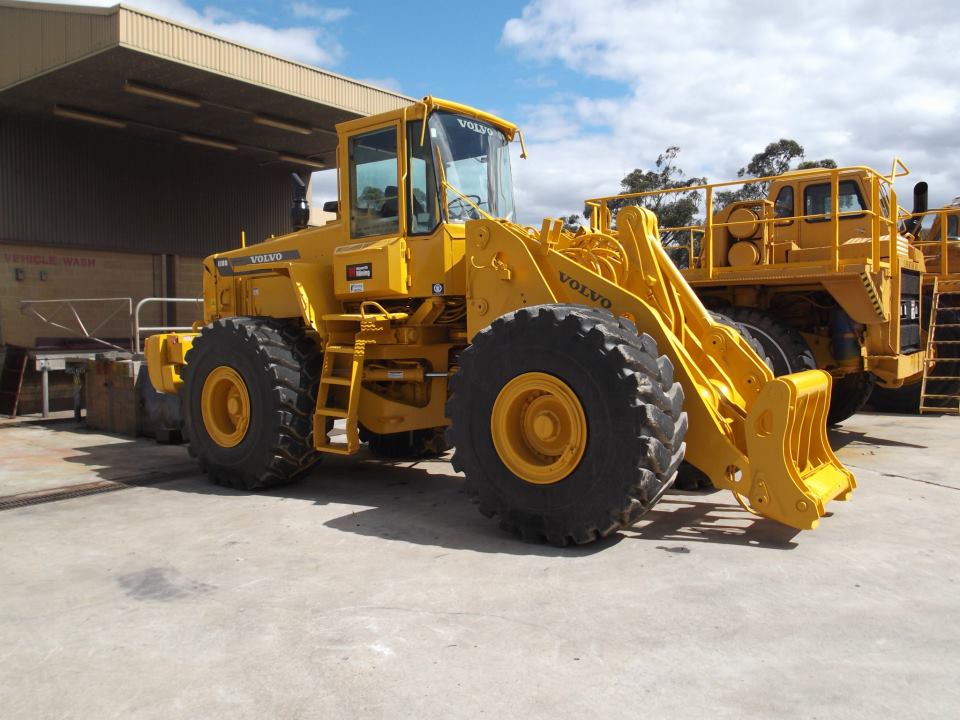
The machines are brought into the engineering workshop; parked in dedicated bays, the trainees undertake specific manufacturer testing to build diagnostic abilities. Generally, the machines are not purchased new, older machines that have been retired from production and rebuilt by trainees to new machine specifications. 

The engineering workshops provide pre-employment training for students, the advantage of this form of off-the-job training exposes trainees to real world engineering workshop processes. Trainees also learn employability skills such as teamwork, communication, planning and sequencing activities, literacy and numeracy, learning and problem solving.

The fuel injection test equipment may be old school, however, the advantage for students is that they view the mechanical systems initially. They are then exposed to electronic systems building on prior knowledge learnt in initial training developing complex problem solving abilities. Diesel fuel calibration and phasing equipment provides hands on testing for components that have been overhauled during the course. Diesel fuel injection is a specialised area. However, trainees are exposed to current diesel fuel systems, although they may never work in a fuel room, the operational factors develop diagnostic abilities for on-machine testing and problem solving.

Testing hydraulic injectors is performed in dedicated laboratories; typical labs include diesel fuel injection, hydraulic, transmission and electrical rooms. Engines are run-up on a hydraulic dynamometer, a load testing rig to measure engine output loading the engine in a similar manner to actual operating conditions. Faults are induced in the system; trainees are required to diagnose faults using electronic troubleshooting equipment.

University graduates learn engineering principles; they do not learn machine engineering maintenance, repair, overhaul and diagnostic principles – this is the domain of vocational education and training colleges. Government assumptions of 40% university graduates fails to address key maintenance and diagnostic skills required for critical engineering roles. Currently, industry fails to train technicians instead resorting to importing skilled workers internationally.

Included in this grouping needs technicians in critical skills areas; 40% of graduates must include college trained trades, their value to the economy far exceeds the cost of training. Properly funded colleges equipped with the latest equipment allows lecturing staff to develop trainees skills to maintain and repair complex machinery.

Syria – chemical weapons claim

I arrived home early today, feeling a little tired after a day at work, my knee hurt and flopping down on my lounge chair turned the channel 7 news on my TV. Susannah Carr warned that the images are graphic – I was shocked.

Sitting in the comfort of my lounge room, I viewed images beamed from the other side of the world of people writhing in pain, rows of dead bodies, some wrapped in sheets, others not yet. These are people – human life now foaming at the mouth, vomiting and fighting to breathe. UN inspectors are in Damascus, already checking for chemical weapons, it is alleged the Assad regime had used chemical weapons previously. I am lost, the world has not seen chemical weapons used since Saddam Hussein ordered the Halabja attack in 1988, this conflict in Syria has now escalated.

Journalists are banned from Syria, the images are shot by people using phone cameras, they have been denied by the Assad regime and yet to be verified because of this. That being said, the government has the means to deliver such weapons, an artillery barrage directed at the suburbs of Damascus held by the rebels. Maybe Assad has lost the ability to censor internal news now leaking to the outside world. The people taking the photographs to inform the world are brave, they are taking a lot of risk to get information out of Syria.

Hanging at Clarke Quay Singapore

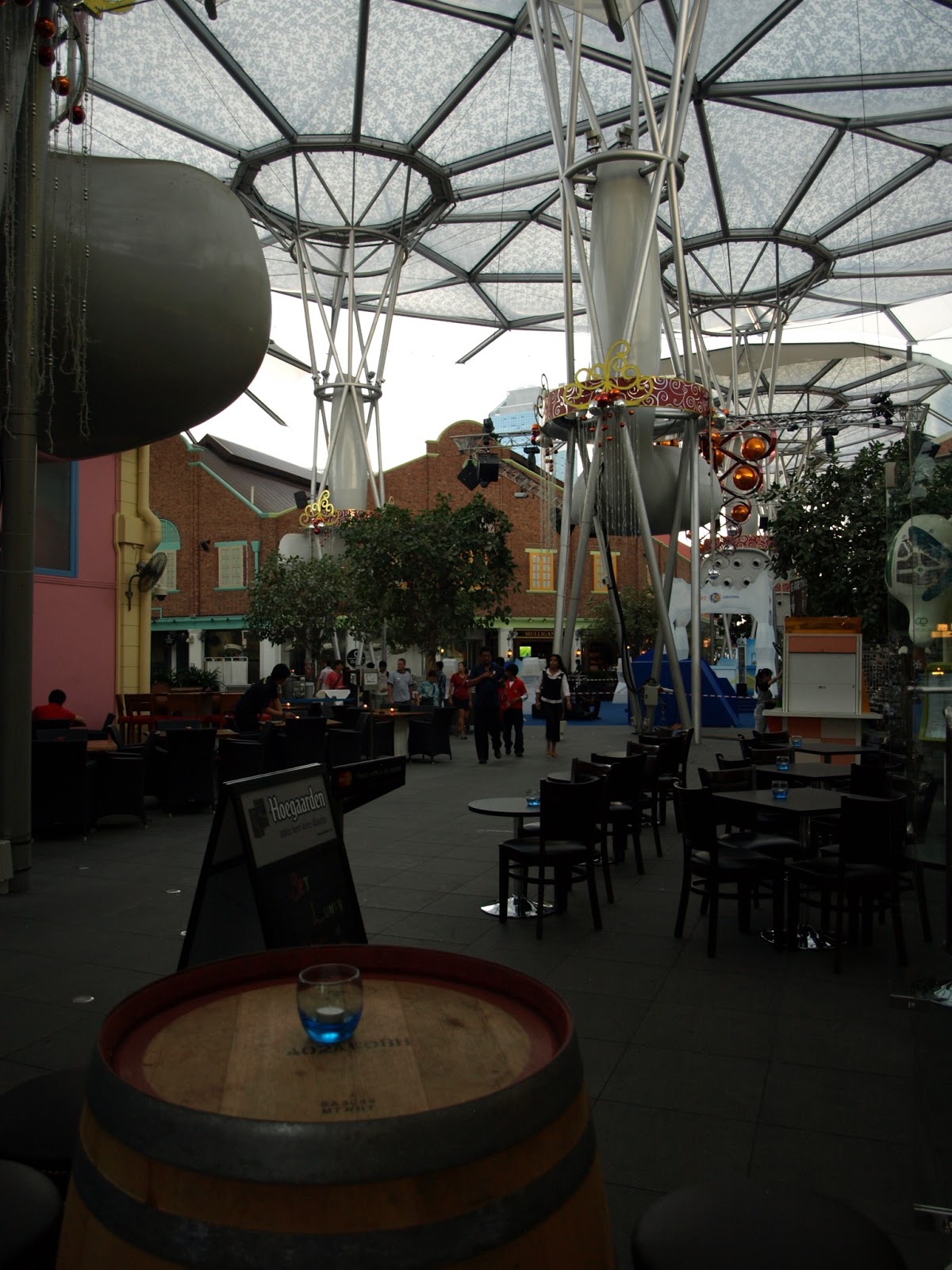
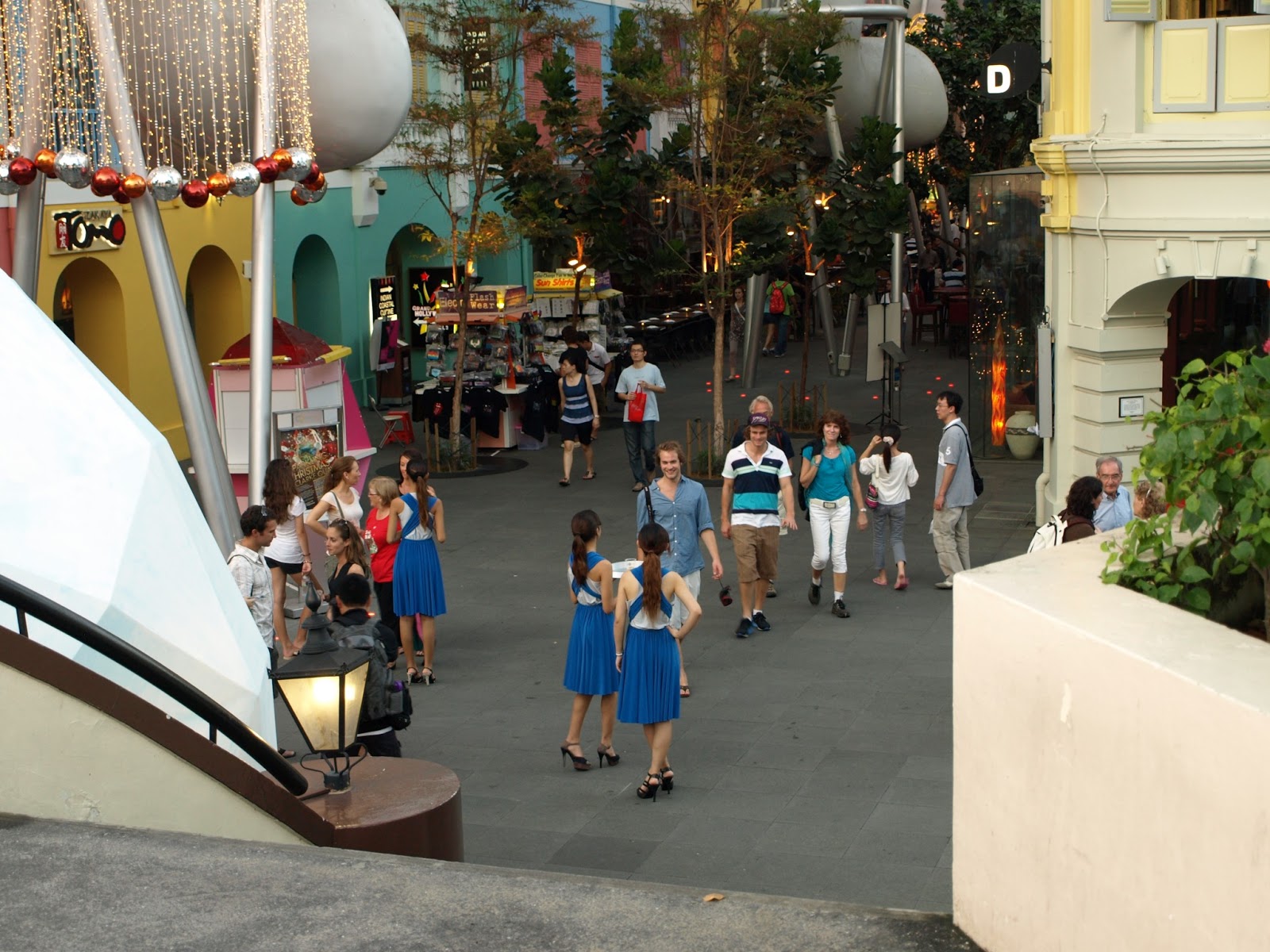
Trips to Singapore from Perth is a relatively short flight lasting about five and a half hours. There is much to do in Singapore during the day, early evening, I prefer Clarke Quay as my entertainment destination. There are numerous bars and restaurants to choose from, the quay is a pretty picturesque location and I enjoy just strolling around.

Singapore is a safe city; the penalties are too high to infringe, understandably I have never had concerns regarding safety in this area. Singaporeans are a rather conformist bunch of people, very polite and well mannered. Highly educated and disciplined, the atmosphere is relaxed but beware, this can be an expensive night out in you are not watching what you are doing.

A couple of bridges allow access to both banks of the quay, a couple of promo girls are getting people interested in Tiger beer. Alcohol in Singapore is not a cheap night out, the bars at Clarke Quay are great, I have always had a good night out even if the prices are red hot. The area has a pretty happy vibe, people are not overdoing the alcohol, so no violence and no assaults, just a good relaxed feel.

All in all, I always enjoy a night out at Clarke Quay – it can be pretty expensive so you have to be careful where you go. The area is safe and well worth a visit, these days I don’t stop over on the way to Europe, usually just a stopover from an Asian location, a couple of days here should do it.

The Liberty Wreck – Bali

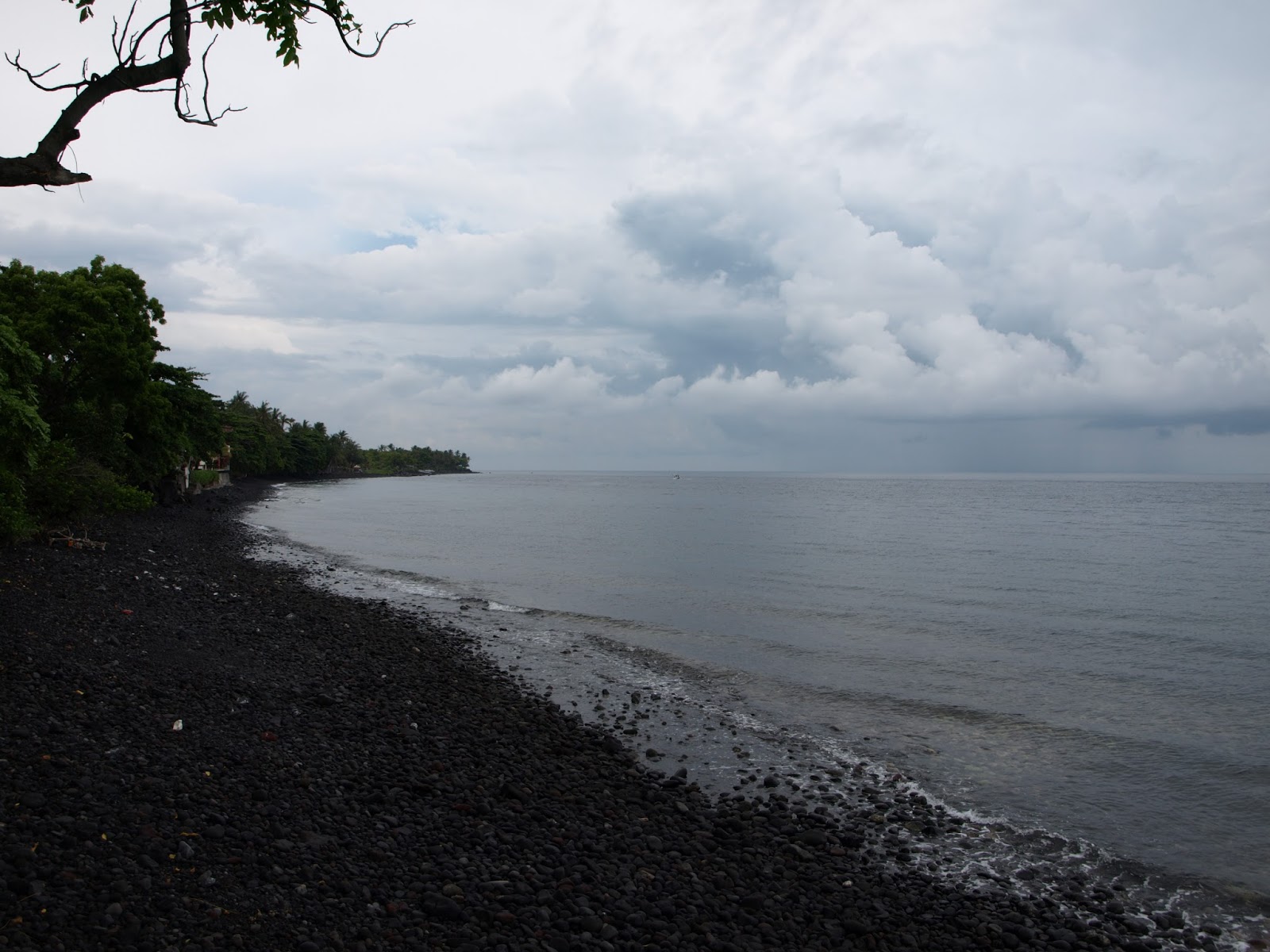
The Liberty ship is an outstanding shore dive, walking over the same volcanic rocks that forced the ship below the waves after the 1963 from the Mt Agung eruption. Just 30 metres offshore lies the Liberty wreck, torpedoed by a Japanese submarine in 1942. The cargo ship attempted to make it to safe harbour but was forced to run aground on the beach where it was extensively salvaged leaving just an empty hull before pushed into the water by lava flow to the water.


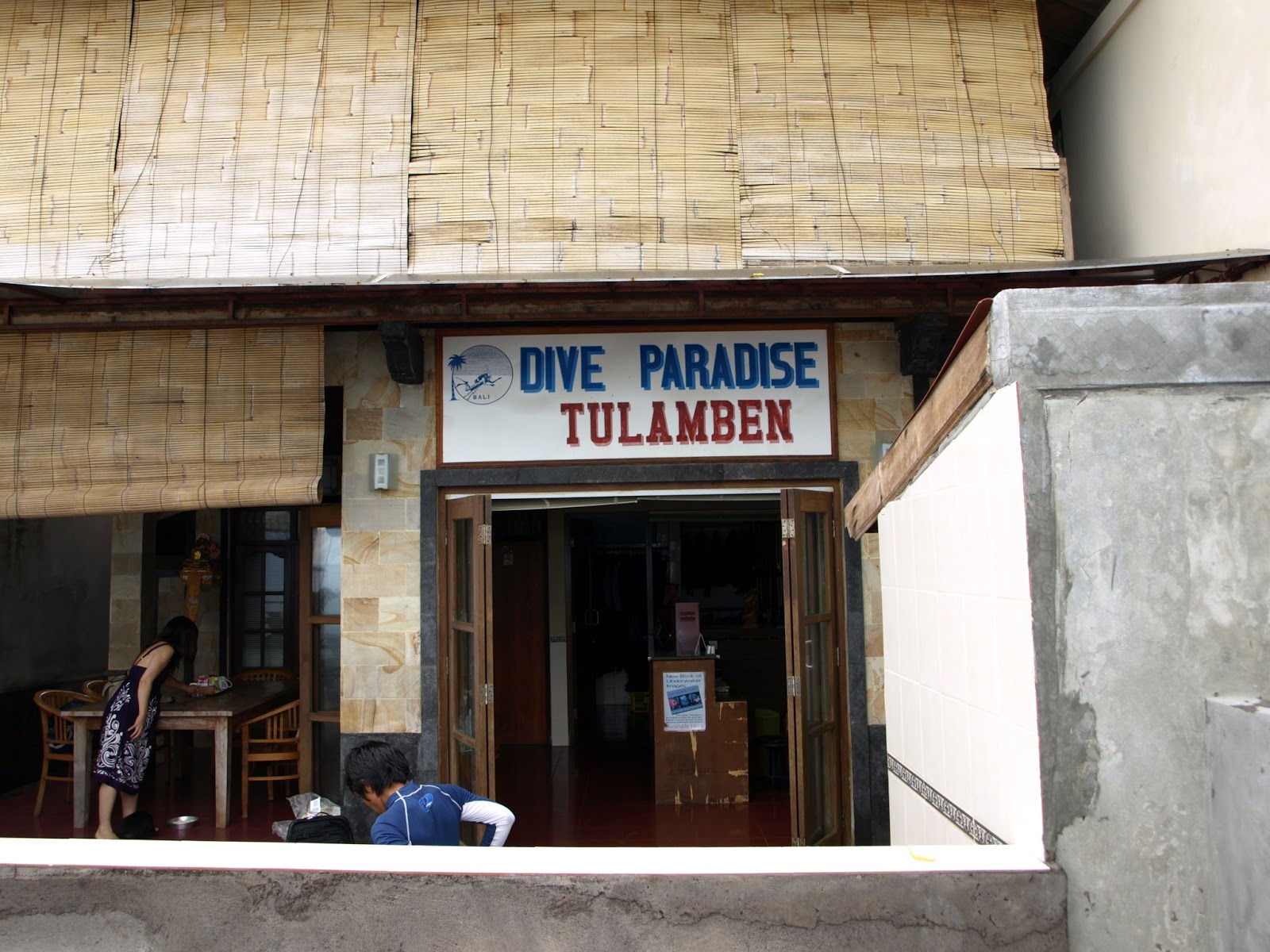
A number of dive shops are located at Tulamben, many are based in other areas and set up on the shore for their dives. Dive Paradise is a Tulamben based operation located right on the shore; it was pretty slow there that day but the guides got us quickly organised and we walked just a short distance to the wreck site. I normally get a hotel in Seminyak, so it is normally a bit of a drive up the island after getting free of the Kuta and Denpasar traffic.  


The drop-off located further down the beach is Tulamben Wall; an excellent dive as a second dive after the wreck. The wall extends out from the beach in a sloping manner until turning vertical, the wall bottoms out at 60 metres. 


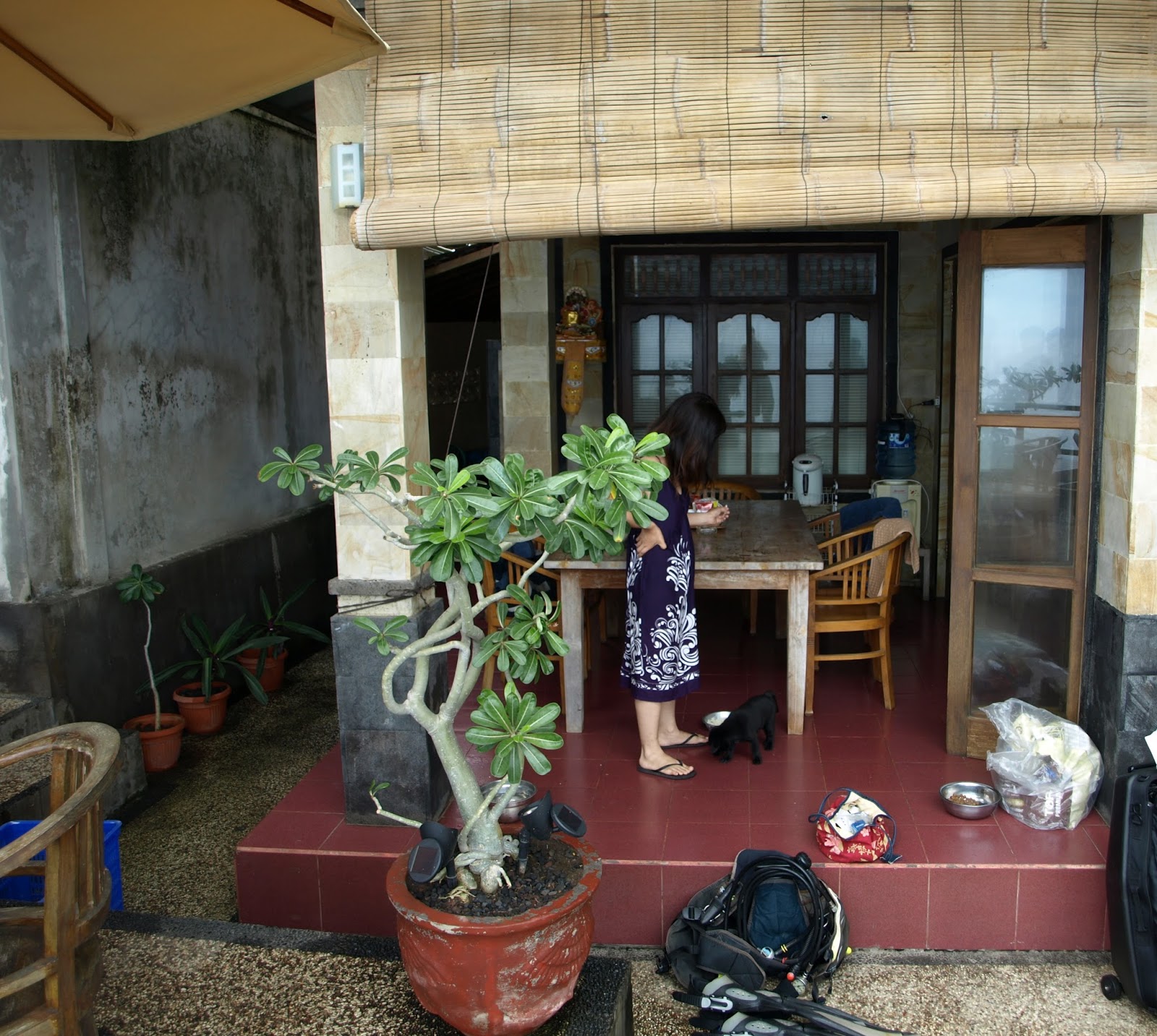
I have found the currents are generally mild on the wall; but as you swim around the wall you may be exposed to some fierce currents, I have never been caught in a ripping current at the particular site but that would be more to do with the number of times I have dived this wall. The dive shop itself feels more like a cottage on the sea, great to sit around between dives with a book looking out over the water. 


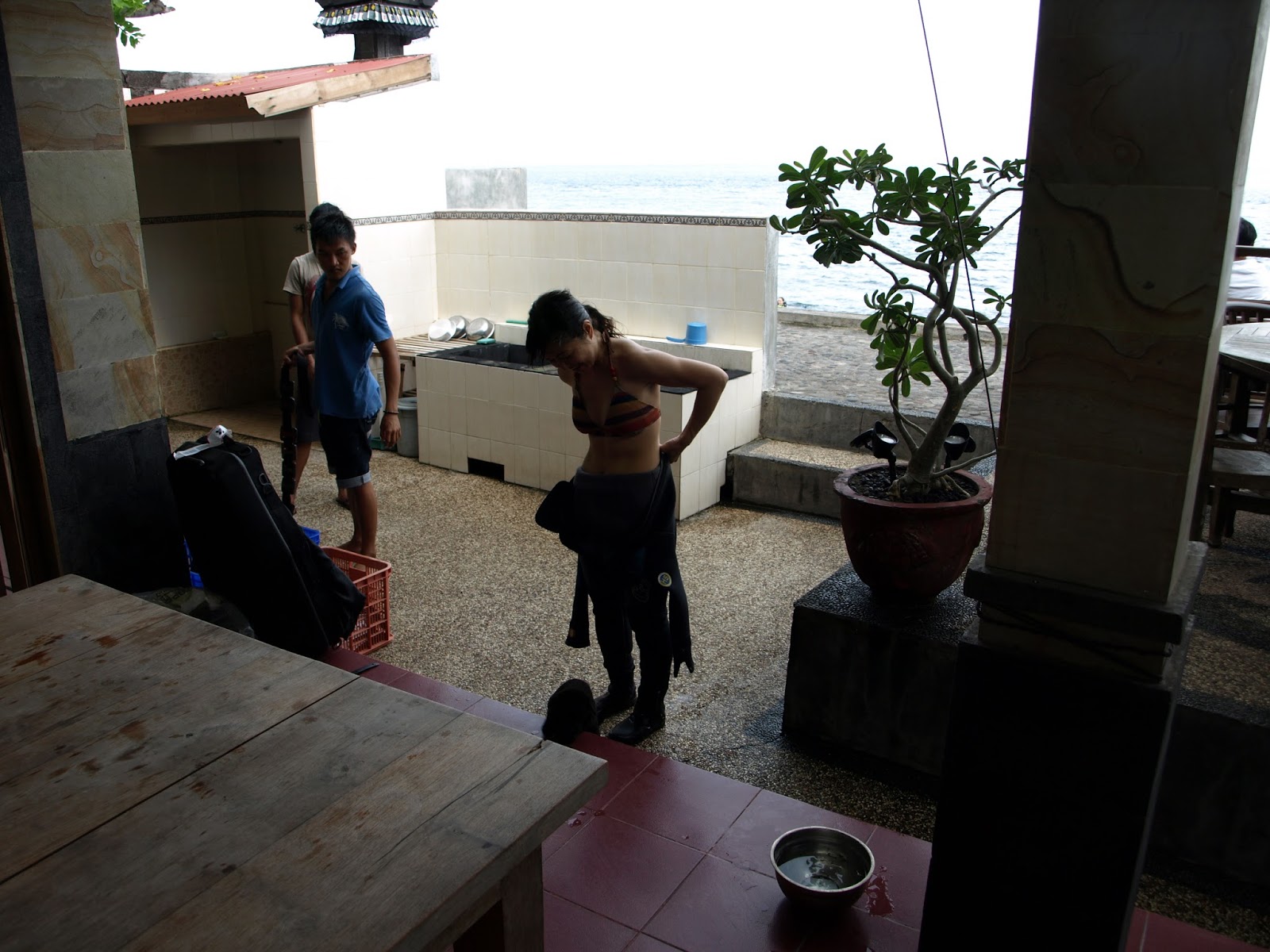
The dive shop itself is quite quaint; as I was not involved in a large group, we had plenty of room to kit up pre-dive and relax post dive. Washing the equipment afterwards is relatively straightforward with a couple of washstands close by. I just hung my gear on the wall after the second dive and it was nearly dry when it was time to pack up and return. It is a long drive to Kuta, fortunately we had left early in the morning and on the way back spent some time at Amed, this is relatively close. 


The Liberty wreck is the most dived site in Bali, beginning at 3 metres with the deepest part of the wreck at 29 metres. The diversity of life on the ship is extremely interesting; the last dive there, we spotted a large turtle hanging around, we were able to spend a long time observing this magnificent sea creature.


While the ship was extensively salvaged during its 20+ years run aground, it is still an interesting hull to swim around and through. Covered in an extensive coral covering, I always take the time to get a dive or two in on this wreck.