Final warning

Turkish Prime Minister Recep Tayyip Erdogan has threatened protesters in Gezi Park with a final warning to leave the park.

After meeting with the protesters for the first time today, at first offering a compromise of a referendum then issuing an ultimatum for protesters to leave the park or be forcibly removed. The escalation is of grave concern as violence has marred any hope of reconciliation, over 5000 people have been injured including 600 police officers.

Diving Apo Island, Philippines

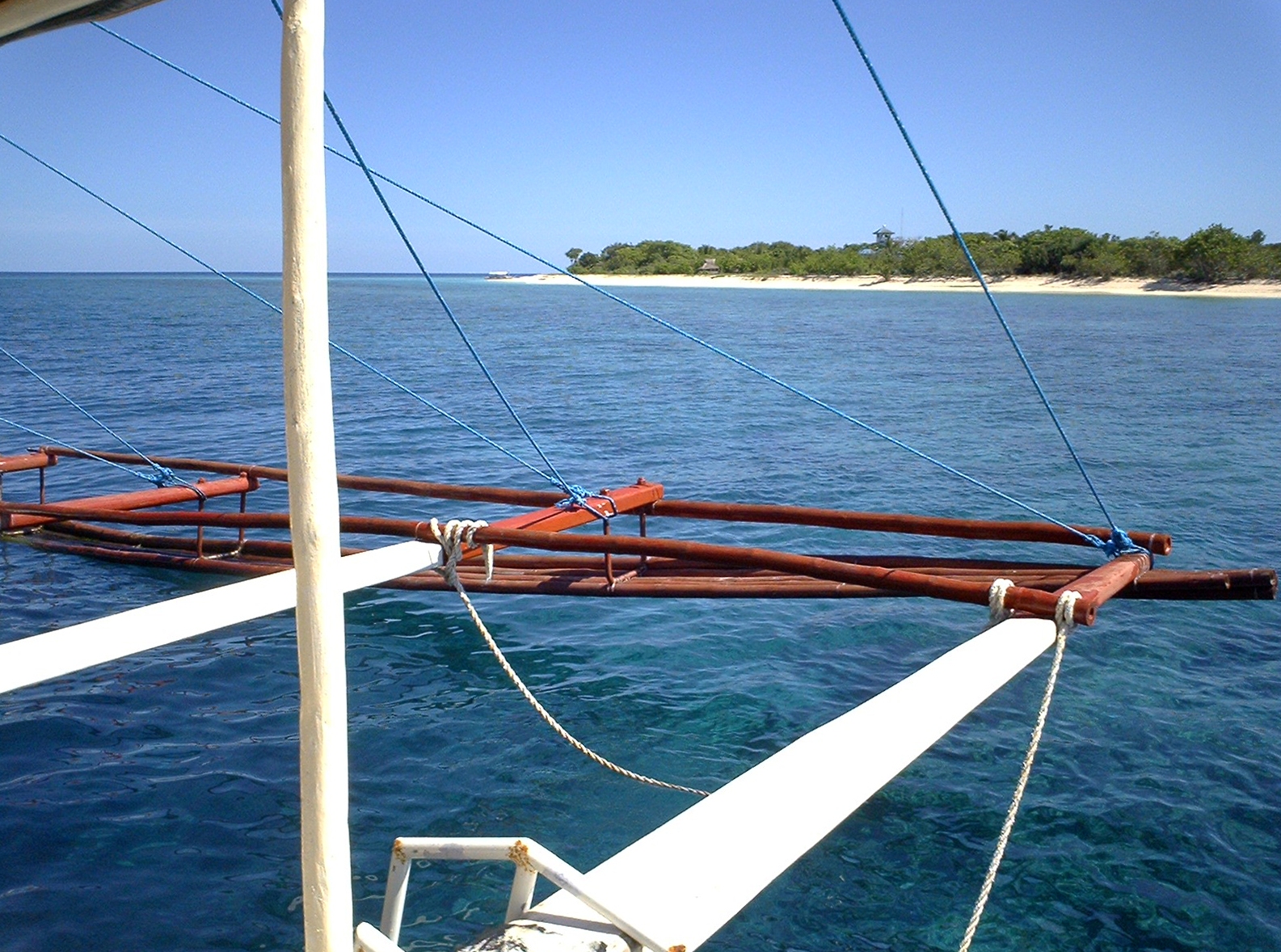
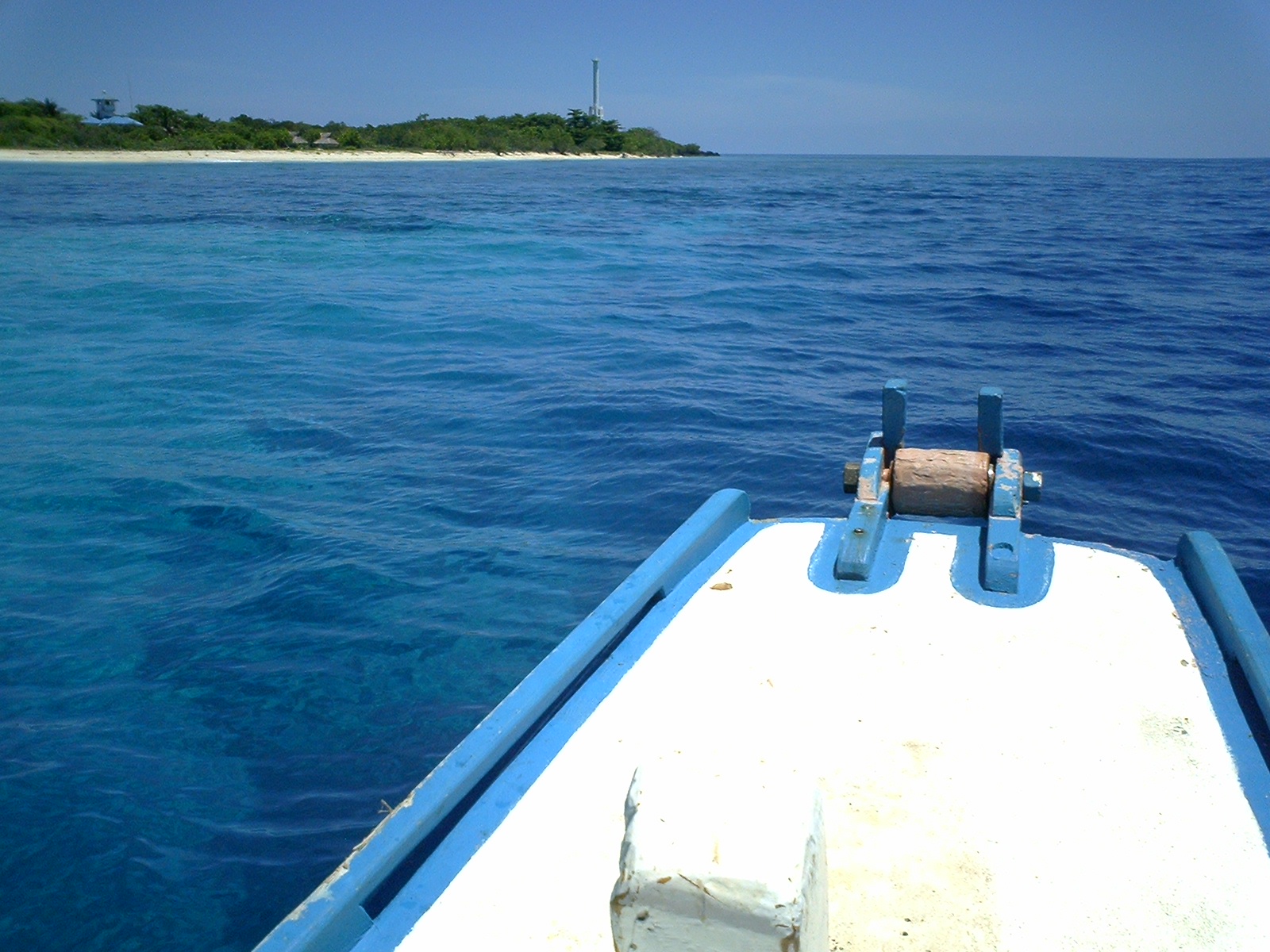
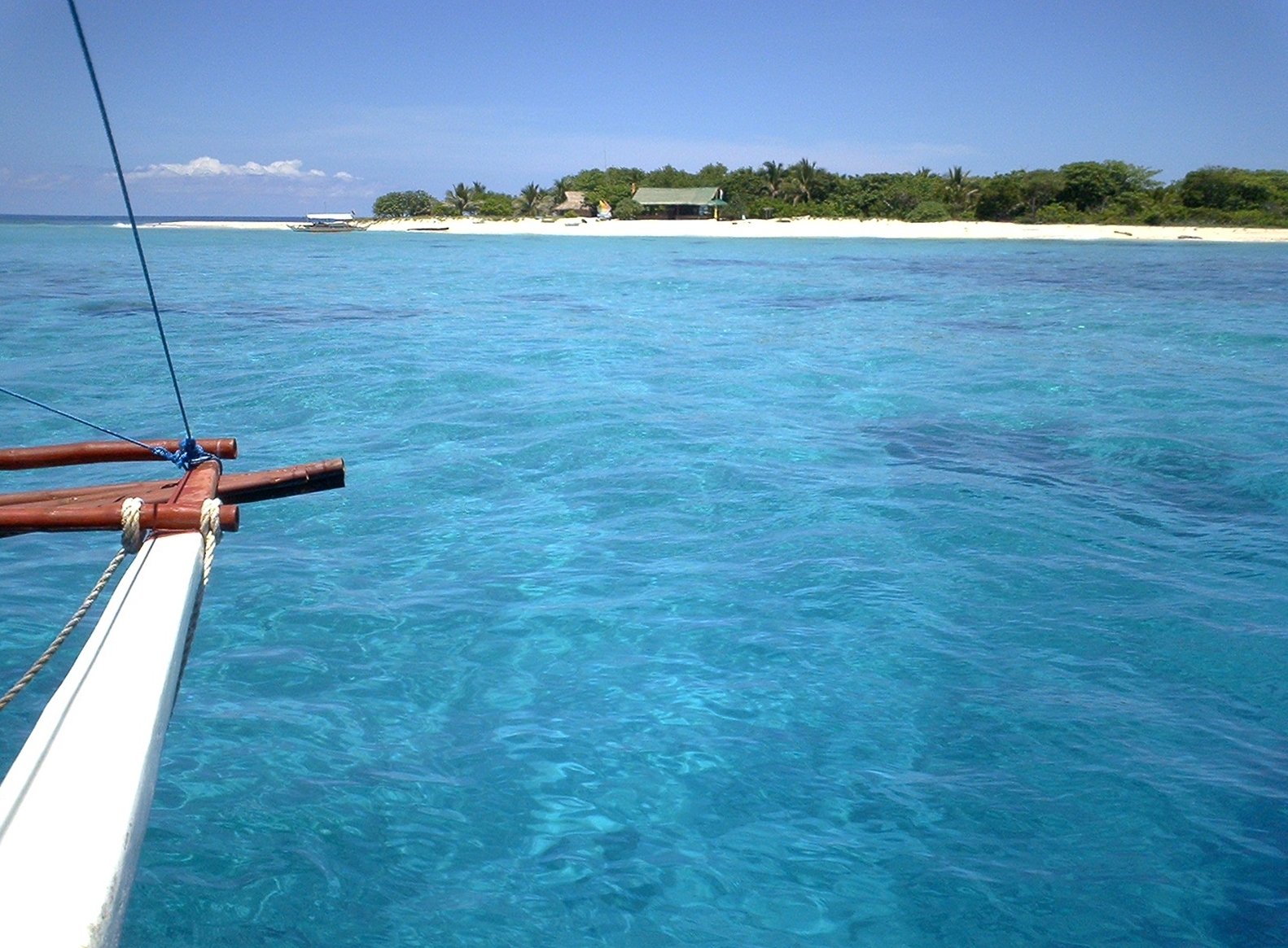
Of the better known diving locations in the Philippines, Apo Island rates highly as a world class dive site. Apo Island is easily accessible from Dumaguete as a day trip from one of the numerous dive resorts in the Dauin area, Dumaguete is the city on the island of Negros in the Visayas region.

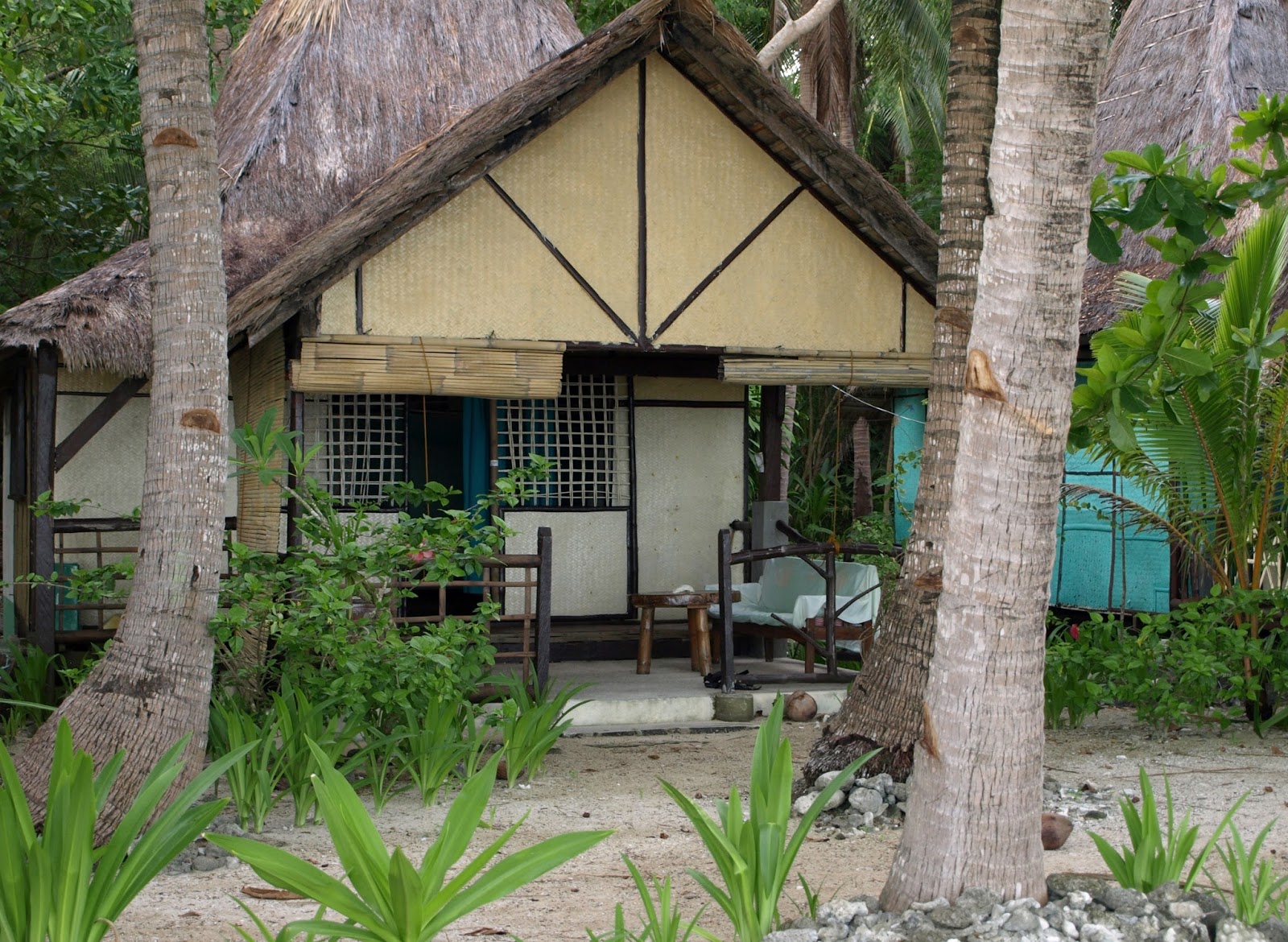
I choose to stay at Mike’s Dauin Beach Resort and would highly recommend this family orientated dive resort; Dauin is a small village approximately 30 minutes drive from Dumaguete city proper, where the beach front dive resorts are located. One of the advantages I found staying in Dauin is the opportunity to dive the well documented macro dive sites of Dumaguete with day trips to Apo Island on alternate days.

Apo Island Beach Resort is a very good option should the diver wish to stay on Apo Island with its private beach and relaxed atmosphere and the Liberty Lodge is another option on the island.

Chapel – the dive site is located right in front of the island chapel, hence the name is not derived from any underwater features. A mooring is set close to the edge of the reef in 10 metres depth; the top of the reef is outside of the current zone. The dive starts swimming north and tumbling over the edge where a sandy decline meets the wall and then following the wall in a southerly direction aided by the current.

The wall follows the depth line down and around the corner dropping to a depth of 35 metres and ending on a sloping sandy bottom that isn’t interesting to the diver. The wall itself is very interesting with soft coral growth and a number of smaller fans swaying in the current. At 22 metres, a small cavern exists in the wall that is definitely worth the look before following the wall again.

Rock Point West – located on the southernmost point of the island, the top of the reef is 10 metres depth, a mooring buoy is placed on the reef top at 8 metres with a small swim across the top of the reef until hitting the steep slope where the current grabs the diver. The most interesting section of the dive is at 18 metres on a small drop off that then turns into a sloping wall.

A number of pelagics inhabit the area with normally a single barracuda sitting in the current; plenty of turtles inhabit the area. It is possible to end the dive at the starting point on a weak tide when popping up and swimming back past the staghorn corals on the topside of the reef at 10 metres and through the soft coral gardens.

Rock Point East – a steep slope at the tail end of the island where schooling bannerfish, a couple varieties of butterfly fish inhabit the top of the reef while delicate sea whips line the wall. A sandy slope descends between the two reefs running the full depth of the site. When the current is running north/south direction (which it did for every dive I did at Apo Island) then you are able to finish the dive around the tip on Rock Point West.

Coconut Point – regarded as the best dive site of Apo Island and some argue the southern Visayas, a dark sandy bottom with groups of scattered coral lumps on a sloping wall. The area is littered with bright feather stars and hard corals.

Known as a washing machine, the current can come from six directions given the right circumstances. A down current can appear when the full brunt of the tide runs, the pelagic appear in numbers with jacks and barracuda frequently sighted. The slope drops off all the way past 40 metres although there is not much happening past the 35 metre mark.

Cogon – just around from Coconut Point, this excellent dive site is exposed to the same currents affecting the tip of the island, the ride can feel rocket propelled on the right day. A number of small eddy currents exist where you can just drop out of the main current when you feel as if the brakes have been thrown on before being picked up by the current and you are off again. The name cogon refers to the kind of grass that can be seen on the hill at the entry point. The sloping patchy reef starting at 10 metres, the mooring buoy is secured back from the edge at 7 metres depth with just a small swim dropping down to 10 metre off the top of the reef.

The reef slopes down to 35 metres but isn’t interesting any deeper as the bottom is sandy with no interesting formations. No point burning up precious no-decompression time messing around in the deep for no benefit.

As the dive progresses along the patchy coral shoals, a wide sloping sand patch appears starting at the 8 metre depth, dropping past 35 metres. Along the edge of the sandy patch a rocky reef appears with a small cavern cut into the rock.

Following the steep rocky reef, a large school of jack fish tend to inhabit the area just after the sandy patch, of the dives I had in this area, the school was always in the same location and the local divemasters included this in their briefing.

Marine Sanctuary – the most well known dive site on the island and sometimes referred to as clownfish city, seven large coral heads filled with anemones occupied by black anemone fish. The dive site is pretty shallow to start but once over the edge drops down to 40 metres with black corals attached to the steep slope.

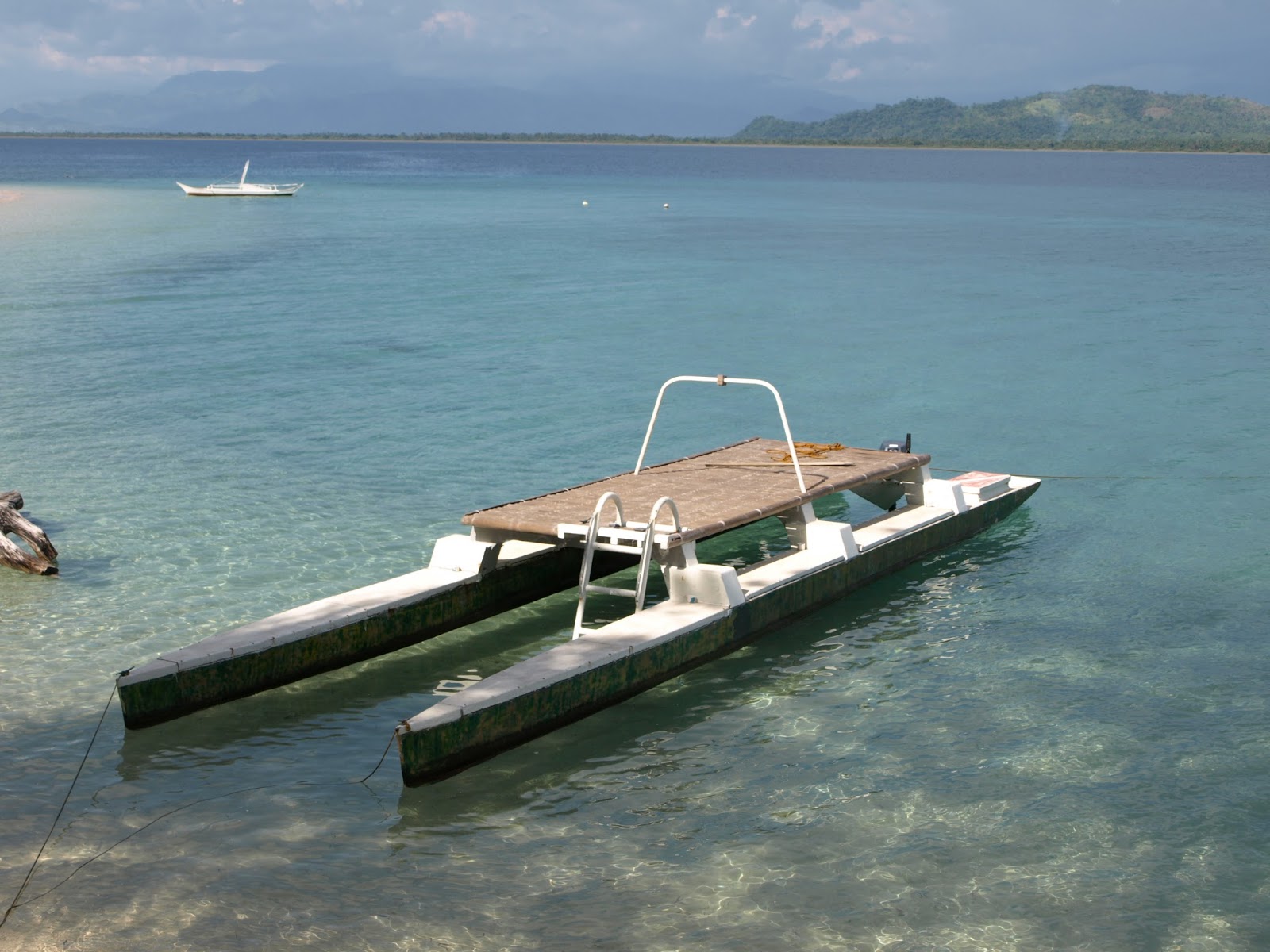
While some of the Apo Island’s 850 inhabitants are still dependent on fishing from their small hand paddle banca for their livelihood, the local inhabitants have long supported scuba diving and eco tourism as the main source of revenue on their island.

On one of our surface intervals, a couple of old ladies paddled out to our banca with a collection of t-shirts, sarongs and other clothing wrapped in plastic and while I usually don’t purchase t-shirts from all the places I go diving, I was happy to purchase a couple of shirts in support of the local community.

Apo Island is the Philippines best known community organised marine sanctuary that has been well documented by the global scientific community since the 1980s. From my observations, the topography is pretty decent but the area is fished out.

The project was initiated when an eminent marine scientist from the Silliman University Marine Laboratory in Dumaguete approached the local fishermen and highlighted the ecological and financial benefits of creating a marine sanctuary in the area.

After overcoming initial hesitation on the part of the locals; a working plan was established and the sanctuary is now run with full community support. From an outsiders perspective, this initiative appears to be working and is supporting the community.

Working in conjunction with the staff and students of Silliman University Marine Laboratory in 1982, the local fishermen selected an area along 450 meters of shoreline, extending 500 meters from shore as the sanctuary site.

Due to the stunning success of the project initiated on Apo Island, this led to the creation of hundreds of other marine sanctuaries throughout the Philippines.

Presently, Apo Island is home to over 650 documented species of fish and estimated to have over 400 species of corals. Visitors and tourists pay a fee to enter the Apo Island sanctuary to snorkel and scuba dive; these fees are used to keep the sanctuary clean and in good condition.

Diving the USS New York, Subic Bay, Philippines

During a two week dive trip to the Philippines, I had spent much of my time diving down the Cebu and Bohol area. On my return to Manila; I had a number of spare days and headed to the former US Navy base at Subic Bay, Olongapo. There are a number of intact wrecks from a number of eras and until recently, the US Navy had closed Subic Bay to the public and much of the salvage operations and looting that occurred throughout other parts of the Philippines didn’t eventuate here due to the military presence. I find Subic Bay a nice get away to dive for a number of days, what Subic Bay isn’t to me is the only destination to be dived in the Philippines. The armoured cruiser (with the designation ACR) the USS New York ACR-2 was completed in 1893 with the USS Maine completed in 1895 with both ships originally classified as armoured cruisers.

The USS Maine was however then reclassified as second class battleship (pre-dreadnought) type. The USS Maine was undertaking a goodwill visit to Cuba, then under the control of the Spanish during a time of US – Spanish tension when a major mishap occurred leading to the Spanish-American war. On the 15th of February 1898, the USS Maine was lying at anchor in Havana harbour when she was suddenly destroyed by a massive explosion killing 260 of the 355 crew. The US Court of Enquiry rapidly concluded that the cause of explosion was a mine placed beneath the ship and on the 21st of April, the United States declared war with Spain.

A point of interest, while the incident has remained controversial, it is now considered that (while no absolute proof exists) that the coal bunker located next to the magazine sparked the explosion. During the Spanish-American war the USS New York operated as the flagship of Admiral William Samson of the North Atlantic Squadron engaging the Spanish naval forces in the Battle of Santiago, Cuba decimating the Spanish fleet.

While the 10 week naval war raged in the Caribbean seas surrounding Cuba, the Spanish controlled Philippines was also the site of naval operations with decisive American victories in both theatre before the Treaty of Paris with their favourable terms for the United States was negotiated.

Located on the main island of Luzon, Subic Bay was established as a naval base by the Spanish in 1885 when they discovered advantages of the deep water anchorage as opposed to their former base in Manila Bay. So when war broke out between the Spanish and the Americans in 1898, the American Asiatic squadron sailed from Hong Kong to the Philippines to attack the Spanish fleet. The Spanish counter move was to scuttle the gunboat, the San Quintin in an attempt to block the passage between Grande Island and Chiquita Islands, that attempt was unsuccessful.

The USS New York ACR-2 operated under a number of names during her service life, renamed the USS Saratoga in 1911, retaining the ACR-2 designation to make the name New York available for the soon to be commissioned and improved Wyoming class battleship BB34. The USS Saratoga was renamed the USS Rochester in 1917 to free the name Saratoga for the new battlecruiser CC-3, the incomplete hull later to become the Lexington class aircraft carrier CV-3 due to the limitations imposed by the Washington Naval Treaty.

After undertaking escort duties during WWI and as a troop transport after the armistice, the USS Rochester led a distinguished career between WWI and WWII serving throughout central & South America. After serving in the Pacific Fleet for a short period around Shanghai and the Yangtze River, China in 1932, the USS Rochester steamed to Cavite on the southern shores of Manila Bay and was decommissioned on the 29th of April 1933 and moved to Subic Bay. The ship remained moored at Subic Bay for 8 years until struck from the naval register on the 28th of October 1938.

The next deck down is the gun deck with easy access through many of the gun ports. The officer’s quarters, mess and accommodation deck is the third deck where the diver can penetrate the entire wreck to the bow.

The town of Olongapo and Subic Bay were heavily bombed by the Japanese during WWII starting on the 14th of December; the situation was considered so desperate that on the 24th of December 1941 the order was given to torch the naval station and evacuate. Despite being stricken in 1938, the USS Rochester was considered to still be a valuable asset; the USS Rochester was scuttled in Subic Bay to avoid falling into enemy hands. The Japanese gained control of Olongapo on the 10th of January 1942 and held it until January 1945 with the American forces retaking the Philippines.

Getting to Subic Bay from Manila is relatively easy, a bus trip from central Manila is an inexpensive option, a short flight to Subic Bay international airport or many of the dive operators also run transport for a fee.

My first attempt at diving the former New York was a failure as a cargo ship had recently departed dock running over and severing the mooring line, after repeated unsuccessful attempts by the crew to locate the wreck, an alternate dive was decided much to my annoyance. After dives on the LST landing craft and El Capitan for the first day, the next day, a newly attached mooring line ensured I would be diving the wreck.

The former USS New York lies on her port side in 27 metres of water with the upper structure at a depth of 20 metres. The main eight inch A and Y turret guns are still intact on the main deck with entry into the hull through the hatchways located near the aft gun, hatchways amidships near the boiler rooms or through explosion damage on the starboard hull moving forward towards the bow.

On this trip, I did not penetrate further than the third berth deck although I am led to believe that the coal bunkers, magazines and stores are located on this deck. The fifth and final deck is the engine room, further trips to Subic Bay will allow me to explore further into the wreck and penetrate around the engines and boilers. The whole site within the harbour is pretty silty and care is required to prevent a silt out in the wreck. Only trained, experienced & equipped divers should attempt penetration in the wreck although open water level divers can easily enjoy the outside of the wreck.

The USS New York displaced 8,200 tons standard, a fully loaded displacement of 9,021 tons with propulsion through two shafts driven through triple expansion engines fed by 12 boilers producing 12,000 HP and 20 knots speed. The armour is nickel steel with 4” belt, 5” – 10” inch barbettes, 5.3” turrets & 7.5” conning tower. The armament included 6 x 8” guns, 12 x 4” guns, 4 x 1” pounder pom-pom guns and 3 x 14” torpedo tubes with a complement of 566 personnel.

Further interesting wrecks are located at Subic Bay and I am definitely planning future diving trips to the area. The town of Olongapo itself isn’t as interesting or relaxing as holidays down in the Visayas with their beautiful islands and beaches. I always have to remind myself that this is Luzon after all and I have to dive a number of different locations for each trip.

Further actions marr protests

Rumours circulating in Turkey were correct leading to the predictable clash of riot police with peaceful demonstrators once the European Union meeting had wrapped up and the delegates were on their way home.

Peaceful demonstration is a legitimate method to express the views of society in a democratic nation – this appears to be lost on Recep Tayyip Erdoğan. This guy has really pulled a job on democracy in Turkey, this is a regressive government seeking to take Turkey backwards – not forward.

Turkish outrage

What started as a small demonstration to save sycamore trees in Istanbul’s Taksim Square quickly escalated into a nationwide protest marred with violence; how could this happen? Surely the underlying reasons must extend further than sycamore trees in Gezi Park to the authoritarian rule forcing conservative Islamic views on Turkey.

The legacy of Mustafa Kemal Ataturk; credited as the founder of the modern secular Turkish republic who lead the Turkish nationalist movement through the war of independence forming a modern Turkey is immortalised in the Ataturk cultural centre.

The symbolism to the modern Turkish republic must not be under-estimated, Ataturk’s picture hangs in every major building in Turkey. The reconstruction to Taksim Square includes a proposed mosque that would more than likely overshadow the monument of the republic; commemorating the founding of the Republic of Turkey in 1923.

Plans to demolish the Ataturk cultural centre smacks of ideology; an attempt to denigrate the secular ideals of Ataturk sparked a nationalistic outpouring of Turks into action. The power of social media has been the driving force behind protests around the country from Ankara to Bodrum to Kas.

Defying calls from Recep Tayyip Erdogan to halt protests and despite employing heavy handed tactics, water cannons and tear gas were used to disperse crowds. The image of Turkey as a modern and democratic nation is now in tatters with Recep Tayyip Erdogan facing international condemnation.

Taksim Square riots

The riots in Taksim Square Istanbul are brought about by the violent crackdown by police on protesters. This is not the actions of a democratic society with the government really having to take a hard look at themselves. The right to peacefully protest should be embedded in a democratic society.

The video on YouTube I had initially attached was taken down, no need to really ask why this happened. It wouldn’t be difficult to comprehend that this published video made the heavy-handed tactics of the police look very poor. Social media in Turkey was closed down, there were limitations placed on communications and I had Turkish friends contacting me by non-social media methods asking me to announce what was happening.

Is democracy at stake in Turkey?

I have a number of friends who live in Turkey, I still communicate by Facebook having lived and worked with these guys in the late 90s. Recently, Facebook had lit up with multiple messages and although I don’t understand Turkish script, my interest was aroused with the frequency of their posts.

I had to ask, what has aroused the passion of Turks? Nothing had been reported in the Australian media at this stage so I had no idea what was going on. The future of Taksim Square was at stake and the Turks have had enough of his crash through style of governing.

Is Turkish Prime Minister Recep Tayyip Erdoğan a dictator riding roughshod over the will of the people? Or is the protest the opportunity for lawless and vandalism by government dissenters opposed by plans to build replica 19th century Ottoman barracks in the last of the green spaces in Istanbul?

Gezi Park, the urban square located in Istanbul was built during the war of independence holds a symbolic connection to the Turkish republic looks like being turned into a huge shopping mall. Is saving Gezi Park the issue or is it the trigger for wider dissatisfaction with Erdoğan and his government?