Diving the VR Technology NHeO dive computer

VR Technology, famously known for the VR3 multi-gas dive computer for open and closed circuit rebreathers offered the trimmed down version of the VR3 dive computer offered for only a short time; known as the NHeO, this short run computer was the predecessor of the NHeO3.

While not being exactly the poor man’s VR3, the NHeO was a compact version of the VR3 dive computer housed in a technopolmer case as opposed to the metal alloy case of the VR3. The NHeO along with the VRx is a very streamlined unit as compared to the sometimes described clunky VR3.

With my rapidly declining vision, I found the backlit screen easy to read underwater even with the slightly convex curved screen. The computer comes from the factory in multi-colour mode for the first three dives before reverting to mono screen, the colour PIN will activate the multi-colour screen, should you decide to upgrade.

Unfortunately, I never needed to upgrade to the colour version PIN as the computer did not perform the mandatory three dives.

The NHeO was capable of storing and utilising four different gasses during the dive as opposed to ten gasses supported by the VR3 and VRx computer; for many divers seeking to gear up for staged decompression diving, the NHeO and later NHeO3 version is a perfect computer that may be easily upgraded in the future without requiring replacement of the whole computer.

The NHeO was a full decompression computer utilising a Buhlmann ZHL-16 decompression algorithm incorporating deepwater stops. The user manual stated that should the deep micro-bubble stops be missed, a use tables message would appear and a decompression schedule will appear that is very close to the required stop duration.

To my way of thinking, before undertaking any decompression stop dives, a full dive plan should be calculated with gas management, CNS tracking, a depth violation and a bottom time violation calculation carried on a slate as a backup to the plan, this is a prudent practice anyway.

I never missed a deep stop on the NHeO but have done so on my VR3 at times when deep stops are difficult in a situation as a raging down current forcing excessive gas usage to maintain depth, the use tables message is a real pain.

The diver also has the option to switch gasses underwater and the computer calculates the new profile and while I have not done so far, I will be doing this in future dives. I am also planning on diving air profiles with nitrox mixes to violate the algorithm to view the in-water results.

Miss the deep stops and exceed the ascent rate, the user manual states the NHeO will not lock the diver out during a dive and I would like to know the extent the computer reacts to such diving practices.

On a recent series of dives with the Mares icon computer (before that dive computer failed); I unstrapped the computer from my wrist and raised the computer above the 3 metre decompression ceiling with my lift bag to see the effect on the profile.

While an audible alarm sounded, the computer showed no violations on the screen and did not penalise further dives that day, this somewhat concerned me.

While such practices are not recommended, I did not actually violate my planned stop depth, had a back-up computer calculating my ceiling and had back-up tables on a wrist slate.

It is important to have sufficient trust in the computer you are using, hence the fact that I always select a Buhlmann based computer for decompression stop dives and I believe in the VR Technology product.

I was using my icon computer for standard non decompression dives and my technical computer for more advanced dives. Usually, I use my older Suunto Vyper computer set in gauge mode as a back-up depth and bottom timer but on this occasion the icon computer served as back-up computer on this overseas trip.

I do not have the luxury of having a pressure vessel to test a number of profiles or violations. Nor should I, after reading the user manual and strapping a computer on my wrist, I should be able to take a computer from the box and go diving.

The two switches are located at the bottom of the computer and work by using a short push of either (one) switch, a push and long hold of one switch, a short push of both switches or a long push and hold of both switches.

This takes a little while to get used to and I practised extensively before leaping into the water with my brand new NHeO strapped to my wrist. As yet, I haven’t attempted to play around too much on my initial dives on the NHeO; I thought I would get a little bolder in the future.

The VR Technology NHeO was an ideal air/nitrox dive computer competitively priced and starting at $679, the N1 coded NHeO will get the diver an open circuit air/nitrox computer, when the diver’s experience warrants, an upgrade PIN will open the diver to trimix diving for under $200.

So for under $1000, a diver has a trimix capable computer manufactured by a proven performer built on the knowledge and experience of the VR3 and VRx dive computer platforms.

The Buhlmann ZHL-16 algorithm is a respected and time proven algorithm equipped with the latest micro-bubble avoidance deepwater stop profile.

My NHeO dive computer didn’t last long; the computer failed and I immediately contacted VR Technology, they informed me they will immediately replace the computer with the new NHeO3 computer.

However, there would be a waiting time of a month as the new computer was rolled out. I informed them that I needed my computer right now so they ended up sending out a C4 VR3, thanks guys.

Diving Subic Bay

Getting to to Subic Bay from Manila is relatively easy, you can organise a vehicle from the airport or point of arrival, a number of private business’ operate private vehicles supplied via the dive centre you choose, otherwise, a bus, jeepney and trike is your budget option. I prefer the local coach style bus option myself as I usually travel alone, I also like the cheapest option and then a short trike ride from the main road.

Whilst many options exist for diving and accommodation, my choice is Johan’s Dive Resort on Baloy Beach, Olongapo City. Having stayed there a number of times, the establishment is reasonably compact and my only interest in Olongapo is diving – this suits me. You really wouldn’t go to Olongapo for any other reason as Olongapo City is a dirty unfriendly place and best avoided. The dive shop is located just to the side of the accommodation, the term resort is a little liberal, however, Johan’s is pretty good budget accommodation. Along side the dive shop is the restaurant and bar and just a step onto the beach.

The dive shop is a little tight for space but works pretty efficiently, the briefing area is central, the guides brief the dives at the shop and not out on the boat. The dive guides at Johan’s are excellent, they are local guys who possess exceptional dive skills with thousands of dives in the bay.

The guides wash the equipment up after dives, two of the rooms are in the dive shop whilst the rest are upstairs. The rooms in the shop are pretty noisy, but are you in Subic Bay to dive, these are very convenient.

The briefing board indicating a number the wrecks in the bay, the board flips with more wrecks on the other side, an F4 Phanton jet from the Vietnam era sits just outside the heads of he bay in 45 metres. I have dived Subic Bay a number of times but have still been unable to organise a dive on the F4. The plane is basically just an airframe now, having been stripped of all usable parts, this plane did not crash but was pushed overboard, presumably to clear deck space on an aircraft carrier as was the practice during that period. 

Heading out from Johans on Baloy Beach, the majority of the dive sites are a short boat ride across the bay.


The boats are fast, the banca style boats aren’t used in Subic Bay and they don’t usually return between dives. A 60 minute surface interval is easily handled on these boats, they will take the boats out for a single diver too, numbers are low and space is abundant. 

A number of the wrecks are well suited to decompression stop diving, a single stage is an optimal set-up for most but not all dives. There are plenty of opportunities to penetrate wrecks such as the New York armoured cruiser, the El Capitan, LCU, LST, Siam Maru and the Japanese patrol boat – wreck diving is what Subic Bay is all about. The older St Quintin (1898) is much shallower than many of the other wrecks and mostly broken up, it however makes a change form the many other wrecks in the area and well worth a look as a second dive, at 16 metres depth, the issue of decompression is not an issue and you have plenty of time to explore the broken up hull and nearby reef. 

An MBA online – what is the real value?

Should I be accepted into the MBA program at the University of New England, I have to ask myself, what is the value of an MBA that is delivered online? That is a question that keeps me awake at night; however, does it state on the certificate that it is delivered online?

I haven’t applied yet and I am still considering my options; the time involved and future return on investment still concerns me. Do employers value an online MBA in the same way as a face-to-face MBA? There are a number of weekend course supplements available throughout the trimester; living on the west coast of Australia; I would have to make sure such face-to-face classes are well targeted though.

Firstly, I have to perform well academically, I feel I have met that criteria in my undergraduate degree at the university and graduate certificates and diploma. Supervisory and management experience criteria have been met and now I have to convince the Graduate School of Business that the MBA will contribute to my career whilst outlining significant achievements to date – should be able to meet that criteria too. 

The advantage of being a mature age student is that you have had plenty of opportunities to prove yourself in the workplace; as such, you are deadly serious about lifelong learning and the opportunities it brings. Online delivery is gaining credibility, Massive Open Online Courses (MOOCs); whilst free at the moment are increasing in breadth and coverage and I envision being fee-for-service in the future, soon credits will be granted for completed studies. 

An online course still utilises a recognised textbook but also interactive means such as video, links to online lectures, discussion forums and immediate feedback from lecturers. As a college vocational education & training practitioner; I utilise the principles of andragogy on a daily basis, feeling comfortable in Piaget’s cognitive domain further building on the theory of constructivism and targeted student-centred learning.  

The real advantage of an online MBA is working the whole time; part-time and executive MBA programs have been around for a long time, technological advances combined with current learning theories are now proving more effective than purely classroom based lectures. The ability to study utilising technology is a massive advantage; however, the motivation and self-discipline required are very high.

Analytical abilities to apply critical thinking and reasoning to solve complex managerial problems are practiced and learnt in online courses just as they are in face-to-face courses. The disadvantages though include alumni and networking opportunities but some classroom time is required. Now we just have to ensure that in the information age, employers take online courses seriously.

Philippine Airlines systematic security breaches

I can’t believe it, I checked my luggage into the counter at Philippine Airlines at Cebu airport for my flight to Manila where I was going to take an online university test before flying home the next day.

When I picked up my luggage at the baggage claim, I noticed the zips to the bag had been tampered with; a quick check indicated the bags had been rummaged through but I didn’t notice anything missing at the time.

The flight had been delayed; PAL = plane always late on domestic flights like most carriers in the Philippines, it appears only flights originating at international airports leave on time. I was concentrating on my upcoming test that evening; annoyed with the delay and then further delays getting the baggage out of the plane.

Once I was in my hotel room; I missed the opportunity for my university online test due to Philippine Airlines delayed flight, fortunately technical problems with the program allowed me to take the test on Saturday morning. It was then after I had completed my test that I noticed items missing from my luggage the following morning. While stolen items is annoying, the risk these actions pose to the safety of flight is more than a little concerning.

Luggage is screened upon entry into the terminal by airport security staff, once the luggage is checked in with the airline, the luggage is moved to a secure area by conveyor belts to be loaded onto the flight. For airline staff to be opening bags and removing items or adding items in a secure area poses a severe risk to the safety of the flight. Criminal cells must be operating in a secure area for such actions to take place; under no circumstances should baggage handlers be working alone, the whole process must be recorded with CCTV. Both Cebu and Manila are international airports; the risk to international flights are also obvious.

Philippine Airlines operates flights to a number of international destinations including long haul flights to the United States; a country that after the horrendous Pentagon and World Trade Center terrorist attacks has absolutely no tolerance for lax security, the FAA, the Federal Aviation Administration would be more than interested to hear about such security breaches. 

Philippine Airlines flights in and out of Australia would also attract interest from CASA, the Civil Aviation Safety Authority that has been known to suspend international carriers for systematic safety breaches whilst operating flights in and out of Australia. Canada also sets high standards for aviation with flights to Vancouver and Toronto. Flights to Singapore, Malaysia, Japan, South Korea, Thailand and China all fall under their respective aviation agencies as well as the middle east.

The Civil Aviation Authority of the Philippines will be immediately notified at the beginning of business; the failed attacks on aircraft originating in the Philippines including the Bojinka plot indicate terrorist activities where 11 flights originating from the Philippines were to be bombed mid air over the ocean. Philippine Airlines flight 434 had an explosive device detonated on route to Narita, Japan killing one person and causing damage to nearly cripple the aircraft resulting in rapid decompression and damage to aircraft control systems.

The smuggling of contraband throughout the Philippines through personal luggage is a distinct possibility with the contraband placed in the luggage of unsuspecting travelers at the originating airport and removed by baggage handlers at the terminating airport. This takes place after the baggage has been security screened. For luggage to be opened and items removed, it is unlikely to be a person acting alone as baggage handlers work in teams, raising the possibility of systematic breaches in security.

I attended a Philippine Airlines office in Makati to report the security breaches, while the staff looked a little concerned I had items stolen, not much was going to happen until I returned to the counter at Manila airport to once again report the incident. I explained the severity of the matter and the risks it poses to the safety of flights; I was then questioned regarding the locks on my bags and why it had taken me until the following morning to report the incident.

I explained that I had already read the conditions of carriage on the PAL website and no mention is made to locking luggage. Firstly, it is not their role to question my locks or my time taken to report the incident; I actually reported the incident within 30 minutes of becoming aware the items were actually missing, previously I only suspected my luggage had been tampered with.

Philippine Airlines should have immediately reacted initiating an investigation into their baggage handling practices in secure areas. Graft and corruption is rife in the Philippines and it appears Philippine Airlines management believes they can cover this particular incident up and it will just go away and it will be business as usual. This is too important to do nothing and allow these criminal practices to continue.

Dream Hill Condos – Sabang

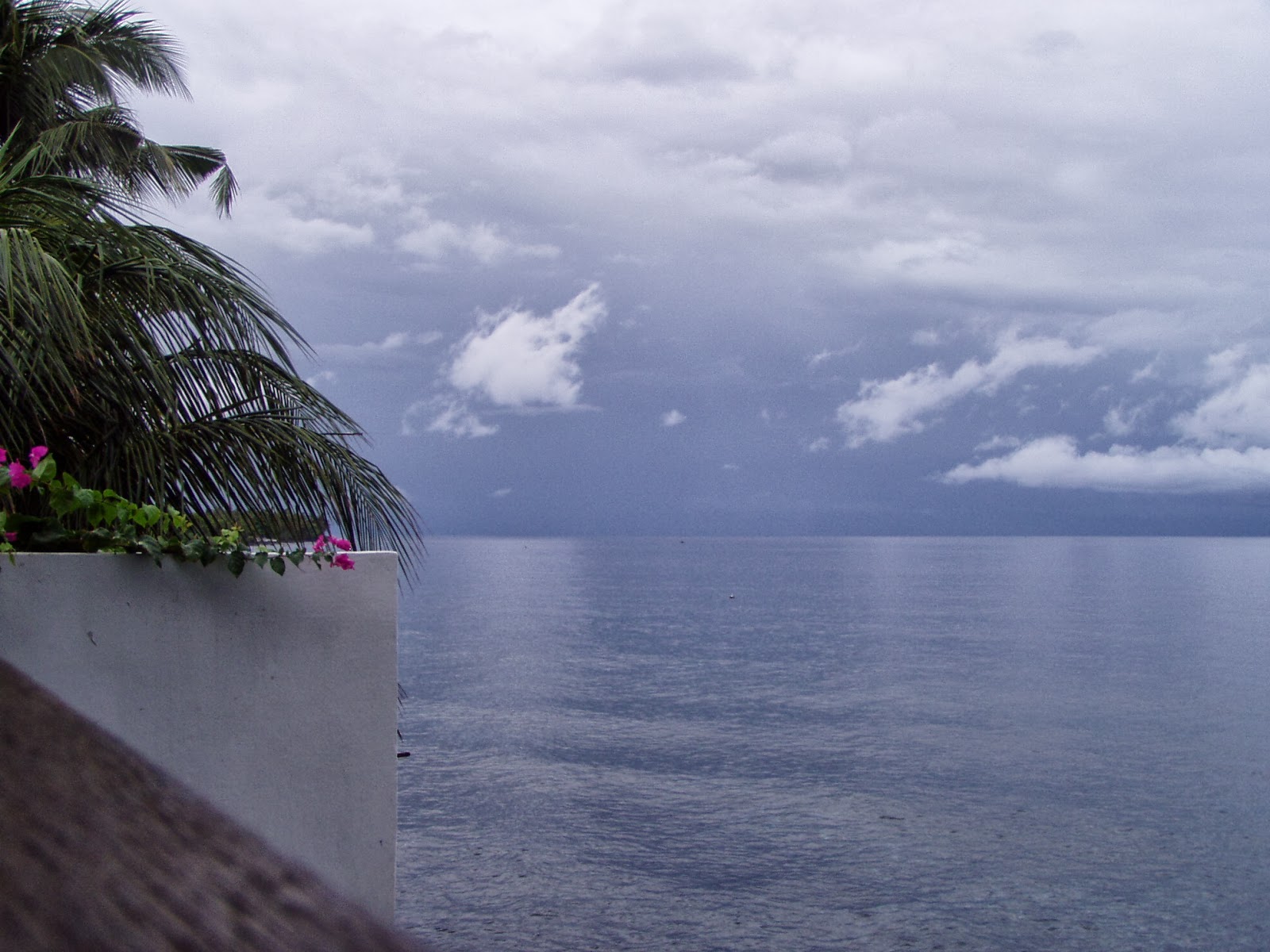
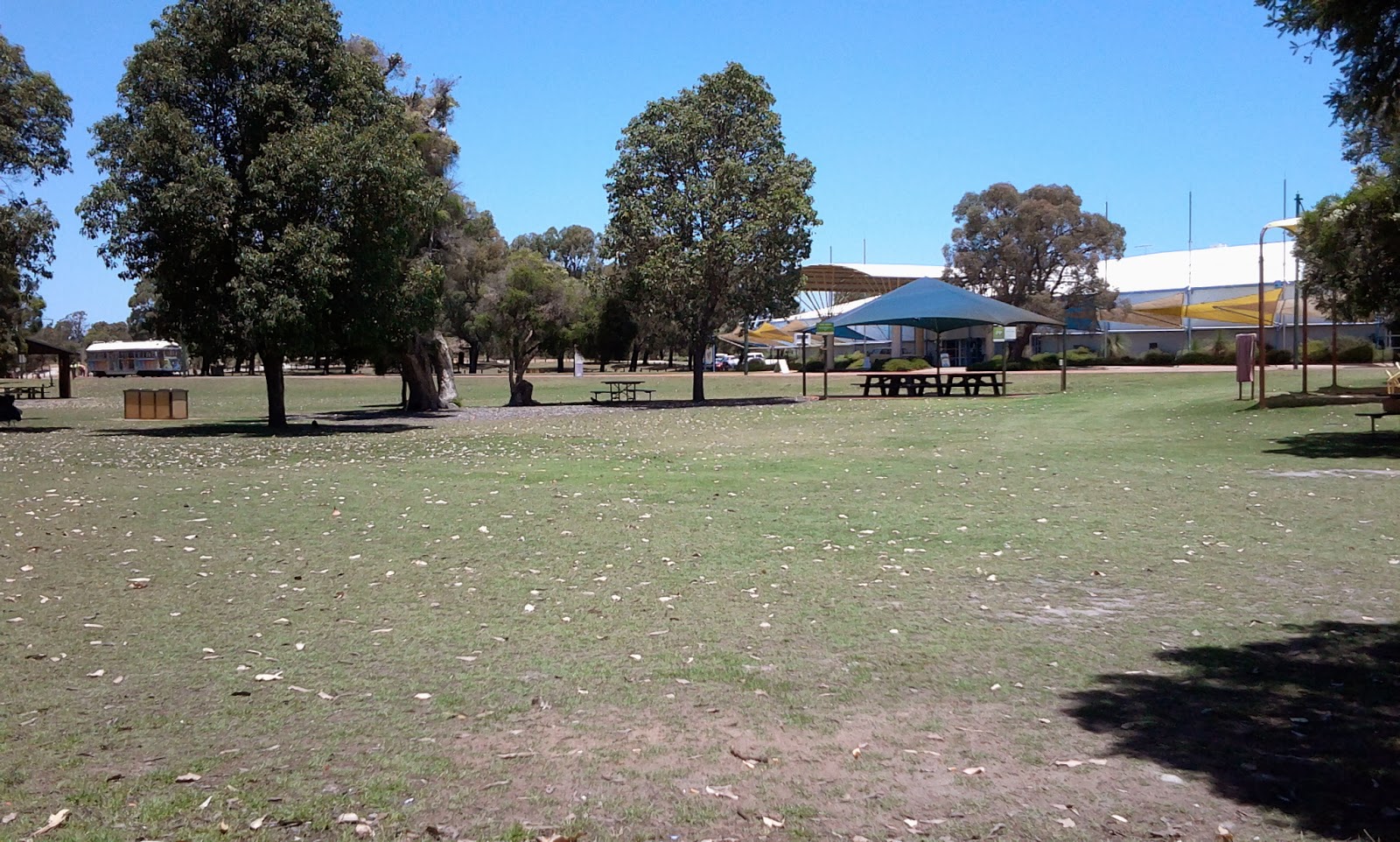
As I sit on my balcony overlooking Sabang Bay at half past six in the afternoon, I notice the slightly increasing velocity of wind blowing cool air across from the highlands – a peaceful time.

The day had been cloudless and hot; I have no complaints, I had escaped the cold of Perth’s winter to head to the tropics for two weeks of diving, eating and drinking and even despite a bout of food poisoning a couple of days earlier – I regret nothing.

The power had been out all afternoon; at this time while we patiently waited for the electricity to be restored, the gentle cooling effect had not been missed. Watching the grey clouds slowly drifting across the sky obscuring my sunset; I enjoyed the chirping of birds knowing as darkness beset Sabang, the gentle sounds of native birds would soon give way to karaoke bars and the three go-go bars down the hill.

Dogs barking, roosters crowing and shrieks of young children playing on the water’s edge at low tide were soon to fade as darkness swept across the village and the nightlife kicked into full swing. This is my fourth trip to Sabang; I had enjoyed my time hanging out further up the hill and away from the hustle and hassle.

Sure, I need to venture down the hill to reach the dive centre on the waterfront; but I can traverse the back lane ways between the houses and only dodge dogs, cats and the odd labourer carting building supplies up the hill.

My last trip to Sabang was September 2012; on this occasion, I had ventured down the hill to experience the nightlife and I can’t say I much enjoyed it. My first trip across to Sabang was in 1994 and in many respects; the place hasn’t changed much, the quality of accommodation, surely, has as my initial experience had drop toilets in my very basic room.

I still recall about twenty children sitting outside a house on the fence watching TV through the window. Geez, back then, even a trip to shark cave would result in a mandatory sighting of seven or so whitetip reef sharks sitting on the bottom allowing the current to pass through their gills.

My reflection is suddenly disturbed by the sound of Alf cranking up the generator shattering the solitude of the occasion. While his premises is connected to the main power supply; the power to the village was out, brown-outs in this part of the world is still a common occurrence.

There is no point cranking the generator up in the afternoon, life is slow and sitting in a doorway reading my book was a relaxing way to spend the afternoon with a cooling wind having an effect on a thirty-five degree day.

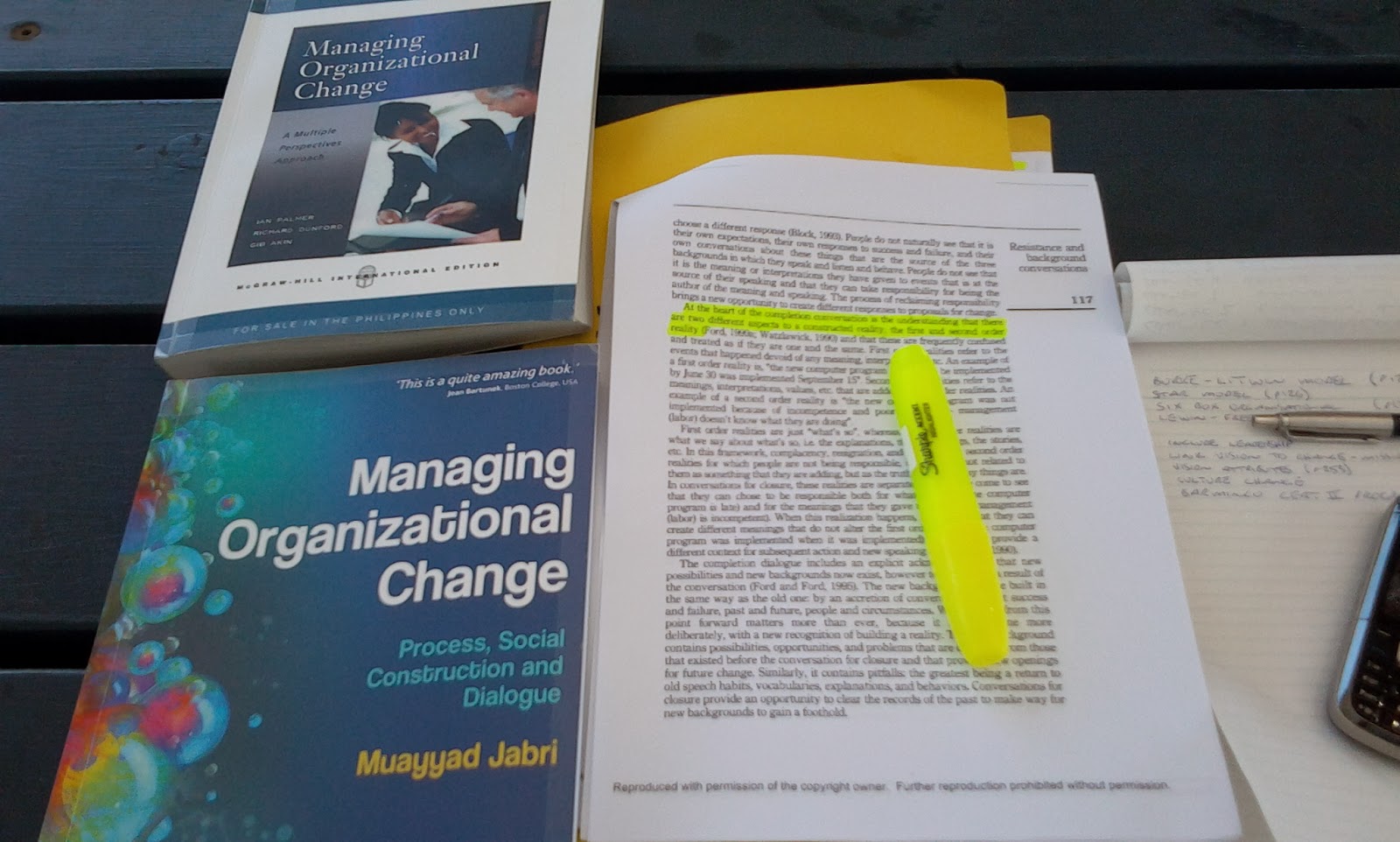
After all, the morning was filled with two dives in a ripping current and a brisk walk up the hill, better to hit my university reference book and plan my case study. Strategic planning and management seems so far away now.

What I had failed to notice before, almost all of the lights of Sabang are out, only the larger establishments able to afford their own generators. Looking down on Sabang from my vantage point, I notice the lights have returned and immediately the generator rumbles to a stop. Only fifteen minutes of chugging under the load of the generator interrupted my evening – fantastic.

The smell of smoke wafts upwards; Alf is firing up the wood-fired oven for his latest venture, a Roman inspired spa complete with hot and cold rooms that is currently under construction. The oven will heat the marble massage table of the hot room; this evening’s test run will go some way to fire the kiln bricks and roast the odd potato. Life is pretty uncomplicated out here, maybe I need to further contemplate my life – this evening seems like the perfect time.

Philippine Airlines now fly from Perth to Manila

I like diving, I like diving a lot so I was naturally excited when Philippine Airlines announced it would be flying to Perth via Darwin. The Philippines is one of the premium diving destinations of South East Asia with World War II wrecks, pristine reefs and walls spread over the 7107 islands of the Philippine archipelago.


On previous trips across to the islands, I had always flown Singapore Airlines due to their frequent schedules from Perth via Singapore. Their outstanding service and routes made them the airline of choice despite their expense, unreasonable frequent flyer program and arrogant corporate attitude.

Qantas also flys to Manila, normally my airline of choice; however, flights and routes didn\’t suit my personal scheduling. There was of course Air Asia; the budget airline but unfortunately only flying to Clark, the former US air force base at sin city – Angeles. There was no way I was intending on spending any time in the cesspit of Angeles City.

I have been a traveller to the Philippines since the mid 90s with the last five or six years earning me 15+ diving trips to the archipelago. During these trips, I have flown Philippine Airlines (PAL) frequently internally and although the airline had gained a reputation of PAL becoming the pseudonym of plane always late.

My first international trip showed PAL to be well organised and on time. The 8:50 am flight from Perth to Darwin was lightly booked; I and others like me had a whole row to ourselves, the route had only been running for less than a month; I hope patronage improves and the management persists with this route.

The stopover in Darwin was only an hour and we were required to disembark; just enough time for a browse through the duty free shop and pick up some premium Penfolds wines. From Darwin to Manila, more flyers boarded the aircraft and I picked up a partner for my row; we maintained a space between ourselves with the flight being comfortable in economy class.

My experiences with PAL on international flights appear to be as positive as with internal flights in the Philippines; the inflight staff was both courteous and professional representing the airline in a positive manner. While the standard of inflight service can’t compete with the Qantas, Emirates or even Singapore Airlines, however, the cost of the flight places PAL in the budget airline category whilst offering full service.

The same movie played between Darwin and Manila; not bad for me as I had work to complete but must be annoying for other patrons, there is only a centralised entertainment system – there are no other choices. The choice of menu was pretty limited; the wines were plain awful but flavoured coffee was passable.

Owing to the number of patrons onboard; service was brisk for both segments of the flight. On arrival in Manila, we landed at the new terminal with a quick traverse through immigration, baggage claim and customs. This is contrary to my experiences at the older terminal and a positive for new arrivals to the country.

Pizza Bella Napoli – Sabang

Located on Center Street, a small lane in the heart of Sabang is Pizza Bella Napoli, a wonderful Italian pizza restaurant with exquisite décor situated on the first floor facing towards the lane. The balcony overlooks the lane between local businesses, two small tables face onto the balcony; the walls are decorated with a number of small photographs and two large murals.

Empty wine bottles lined the stairs leading upwards; I had to be careful not to dislodge any with my camera bag on my ascent up the staircase, not in the mood to be cleaning up broken glass. I also notice bottles of Italian Merlot adorn the nearby tables, no vino for me today though, while I would be happy sitting at the table for the afternoon overlooking the comings and goings of the nearby establishments.

I needed to be alert to study for an upcoming university test. I had a late lunch, arriving after one thirty to an empty restaurant, the afternoon was hot, stifling hot and the waitress quickly turned a number of fans on me immediately providing respite from the hot and humid conditions. Ordering a fourteen inch pizza, I devoured the pizza in silence regretting the fact I had failed to bring my reference book and notes with me. Had I been better prepared I could have studied my notes overlooking the laneway below.

Instead I made a dent in bottle a of Merlot concentrating less on management problems slipping into planning my 2014 Italian trip and return to Naples. I left this wonderful establishment feeling contented; not only did I eat well but I enjoyed the ambiance alone, a time of reflection spent alone but definitely not lonely. I look forward to returning in the future, this was a pretty good time.

The Talijancich 1961 Liqueur Muscat

A recent trip to the Swan Valley saw our group walking through the doors of the new tasting room at Talijancich, a small producer specialising in fortified wines. Mid winter in Perth is a perfect time for fortified sipping fortified wines.

This weekend was no exception with clear blue skies requiring only a short sleeved shirt to maximise the reduced sun’s rays. The mornings and nights are cold, the days generally cloudless and warm with the evenings perfect for a taste of Talijancich’s fine range of liqueur muscats and fortified wines.

I had purchased a number of years ago the 1963 Liqueur Muscat, a silver medal winner at the London Wine Show and numerous other shows, a trip to the tasting rooms is usually both exciting and expensive. This trip was no exception with the 1980 liqueur muscat, liqueur shiraz, liqueur verdelho and some Julian James liqueurs now gracing my cellar.

The vintage liqueurs burst with the flavours of burnt toffee and chocolate overtures with a wonderful brown hue. As I was laying my new bottles down I found a 1961 liqueur muscat I had forgotten about, I found a tokay laying pretty close. In the wash up, I really didn’t need to take the drive up to the valley after all – I still not complaining. Oh yeah, the Penfolds Coonawarra Bin 128 really hit the spot on warm afternoon too.

Growth minded learning goals

The setting and attainment of learning goals tends to correlate with the views of global learners and alignment to learning objectives. The development of abilities greater than required to perform the job ensures candidates have a range of skills at their disposal.

Searching for innovative methods to solve problems, I was once asked if I am a lateral thinker, while I replied at the time I was – I have a change of heart. Generally speaking, a lateral thinker uses uncommon wisdom but since I am from an engineering trade background, I tend to be very pragmatic and systematic in my approach to problem-solving.

Once you have extinguished all avenues of systematic and rational problem-solving techniques, then more unusual means may need to be entertained. This requires new methods and the development of models. The base purpose of business school education is to identify proven techniques and to improve those methods whist disseminating this information to peers. 

The value of the Pinoy overseas foreign worker

Living in Australia and making numerous trips across to the Philippines, I run into many Filipinos who work overseas returning to the Philippines for holidays. Likewise, I also meet numerous Filipinos whilst working in Australia in my profession seeking to gain Australian qualifications, they are hard working and have a good grasp of English.

To the casual observer, it would appear the major export of the Philippines is workers to the region and beyond. To a certain degree, the smartest and the most productive workers are picking up the international contracts leading to a possible brain drain in the Philippines.

After some investigation, I learnt that most men head to the middle east in construction, oil & gas and mining contracts whilst the majority of women remain in south-east Asia or east Asia. I was also astounded to learn remittances from Filipinos working abroad form the second largest source of foreign reserves after direct foreign investment.

What I have seen is a building boom in Makati, Mandaluyong, Bonifacio, Taguig and Paranaque City that has been running for years and shows no signs of abating. Having first visited the Philippines in 1994. I am seeing a large middle class emerging driving consumerism in the Philippines. It would appear significant investments in real estate is now generated by OFWs with longer forms of investment in education and training.

During breaks hanging out in cafes such as Coffee Bean & Tea Leaf and Starbucks and restaurants in the large shopping malls; I see many young locals armed with smart phones, iPads, Galaxy tablets and notebook computers all plugged in online. I have checked prices in the Philippines and compared to prices in Australia and I find the prices cheaper in Australia. I also notice than many of the younger consumers are engaging in studies at local colleges and universities all developing the human capital of the Philippines in a holistic method.

Overall, I see ongoing development in the Philippines improving the outcomes of locals, although as a passive observer I also see the highly educated and most productive leaving the Philippines for economic advantage overseas. I often wonder if the people taking up the positions left vacant by the OFWs are up to the task leading to a level of wholesale incompetence or it leads to opportunities to workers who may have been overlooked in the past.