Brockman Saw Pits

I recall as a boy climbing in the saw pits with the old style saw embedded in the log. Not much has changed with the exception of the fence (and keep out sign), plenty of overgrowth and the pits filling in somewhat.

The Brockman saw pits are located just off the main road just out of Pemberton on route to Northcliffe in the south west karri forests of Western Australia.

It isn\’t worth the trip out of town to only see the saw pits, driving between Pemberton and Northcliffe makes the short trip down the gravel road worthwhile though. Although November, it was raining constantly throughout the day after a big low pressure system blew in across the south of the state, made a huge contrast from two days before and I actually liked the rain.

Human trafficking v people smuggling

I recently sought to distinguish the difference between human trafficking and people smuggling; initially finding myself on the Australian Federal Police (AFP) website. I noted the AFP describe human trafficking as a form of slavery listing servitude, forced labour, debt bondage or organ harvesting as exploitative practices undertaken by criminal elements. People smuggling on the other hand involved illegal movement of people across borders in an organised manner by cartels for financial reward.

That is, on an individual basis, the people smuggling cartel engages in a consenting contractual arrangement terminating upon arrival at the destination. By such a definition, human traffickers use coercive means to force people to illegally enter a country, further exploitation of the individual usually occurs once they arrive at their destination whereas as opposed to people smuggling, the act of transportation and facilitation are the primary source of profits for the criminal network.

Mandatory detention for illegal immigrants in Australia was introduced by the Keating government in 1992 following a marked increase in boat arrivals, the Howard government maintained mandatory detention policy further introducing measures discouraging boat arrivals reducing the number of people held in detention.

The term illegal immigrant is interesting insofar that if a person knowingly engages in a voluntary contractual arrangement with an organised syndicate engaged in people smuggling, have they in fact committed a crime? They certainly create the demand for the services of people smugglers, drugs are illegal yet drug producers, drug smugglers, drug sellers and drug users are all targeted by law enforcement agencies and charged accordingly.

The Bali process is the international forum targeting people smuggling, human trafficking and transnational crime – more than 45 members including the United Nations High Commissioner for Refugees, the International Organization for Migration and the United Nations Office of Drugs and Crime, observer countries and international agencies.

The core objectives include greater cooperation between regional law enforcement agencies, intelligence sharing, detection of illegal movements, identifying illegal migrants return of smuggled persons and national legislation including criminalisation of human trafficking and people smuggling.

The simple fact is; this deplorable business is run by both national and international cartels seeking profits from trading in human misery, these criminal organisations must be targeted by law enforcement agencies smashing their business models and disrupting their activities to such a manner that they can no longer ply their reprehensible trade. This is not human trafficking with voluntary subscribers providing both the income and demand to keep the smugglers in business, increase the penalties as a deterrent and the business model collapses.

Hanging at Pandan Island – Occidental Mindoro

Sitting on the ferry from travelling from the port of Batangas to San Jose; I was excited about my upcoming week. Pandan Island is a secluded private island just off Occidental Mindoro, a sustainable eco-resort on the door-step of the famous Apo reef, the famous Philippines dive site.

San Jose is the principal port in the Occidental Mindoro province, the least expensive method to get to San Jose is by ferry from Bantagas. The bus trip from Manila to Bantagas by Victory Liner was orderly and well priced. The ferry trip was relaxed and uneventful; this is a bit of a luxury in the Philippines and I thought it was all going well.

But first, an arduous bus trip from San Jose to Sablayan awaited me; when I first crammed into the bus I was under the misconception that this bus would just ferry us from the port to the bus station.

The bus was so crowded that I was unable to get a seat as it was standing room only and this was pretty much the trip in the cramped conditions for the next five or so hours. We had bags of grain, animals and all types of cargo on board the open windowed bus that was travelling on mostly unsealed roads.

The trip across from the mainland to the island is a real clunker heading down the crowded river over the open water landing on the beach. The boat from the mainland could never be accused of being overpowered; just a single cylinder Robin engine chugging along merrily.

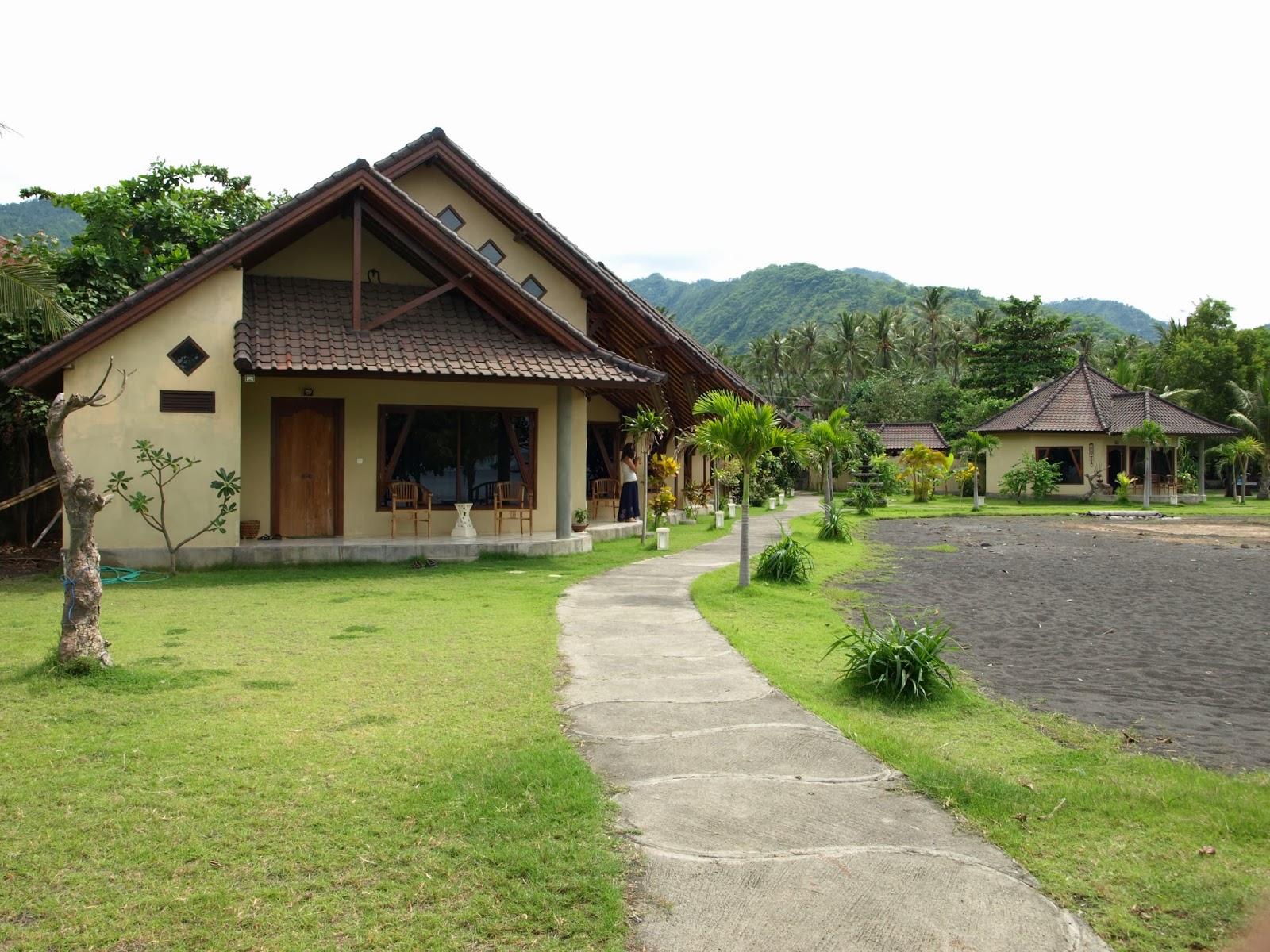
The eco-resort consists of small bungalows, a restaurant and beach bar and of course a dive centre. No generator exists on the island; instead all electricity needed to run the lights is produced by a 12 volt solar system installed in each individual cottage. That means there is no air conditioning, no television and the lights aren’t all that bright either – the rooms do have some flow through ventilation but it still gets pretty warm in the cottages.

The local dives around the island can conducted from a catamaran style boat; on one dive they dropped us at the site and we swam back to shore. As we swam closer to shore, on the sea grass we spotted turtle after turtle.

There are plenty of great dive locations; between dives we returned to the island for a relaxing break and a meal before an afternoon dive. A late return from a long trip to Apo Reef; a great day, my only regret is I didn’t get the opportunity to have some more dives at Apo.

Cruising around the island; plenty of clear blue water, the reefs are pretty good and untouched. Pandan is a small private island, there are only 16 cottages on the island so it is never going to get crowded. The clear blue waters surrounding Pandan Island; there are numerous dive sites when you aren’t diving Apo Reef.

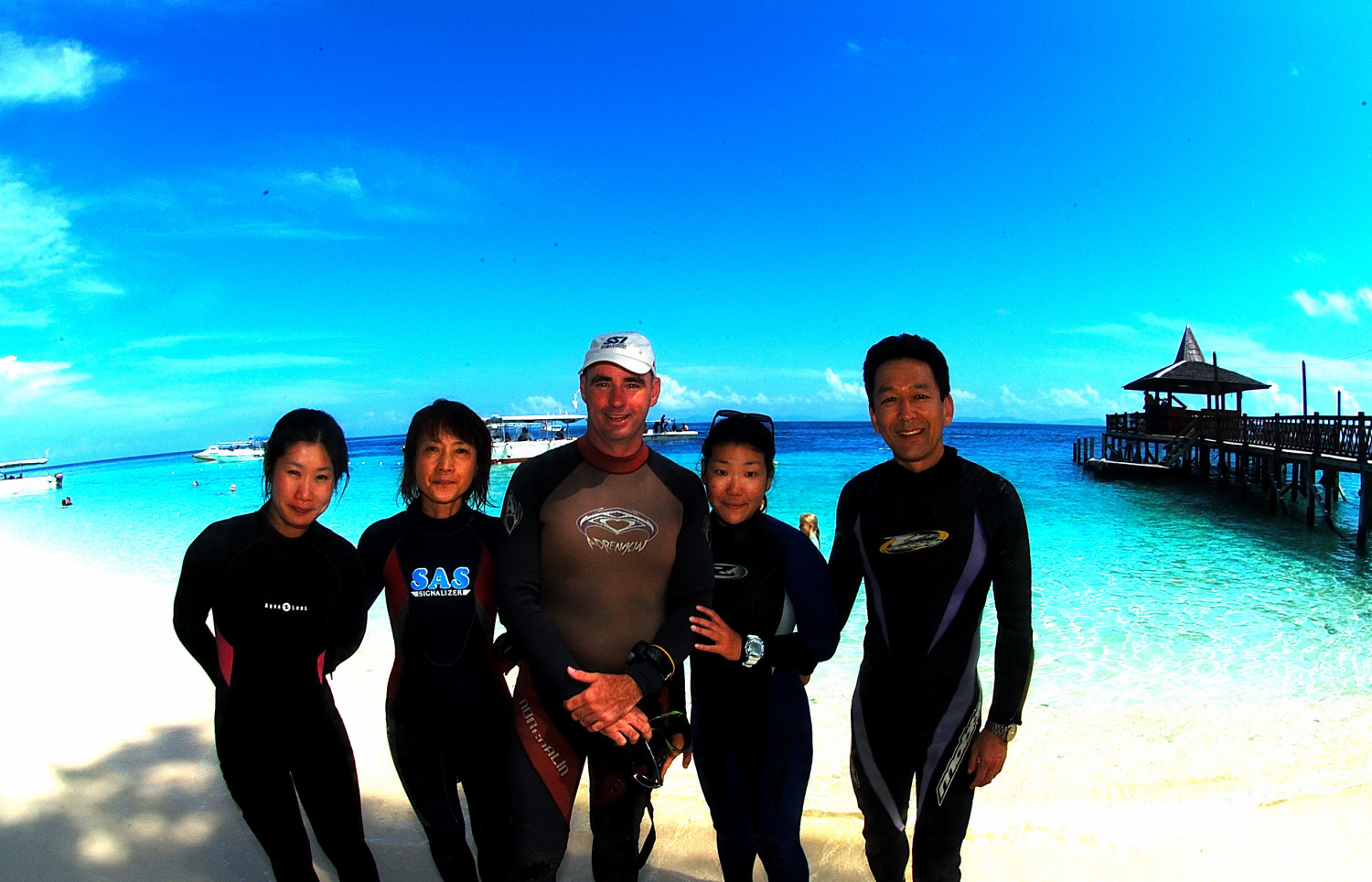
Between dives on the banca; did 10 dives around Pandan and I would like to explore some more in a year or so to add to my tally.

Antarctic sea ice growth

Using the logic of former Climate Commission Tim Flannery; who infamously stated Adelaide would run out of water by 2009, Perth would become the world’s first 21st century ghost metropolis (2004) and bush fires are caused by emissions pollution – current data shows the emergency is over. That would also mean any bush fires pre-global warming are an abnormality but unfortunately bush fires have been an ever present danger since before European settlement.

What would Flannery make of NASA’s recent announcement of record growth in Antarctic sea ice The 2013 Antarctic sea ice growth is the highest since measurements began in 1979; does this mean global warming has been halted? The term global warming is currently obsolete – climate change is now the preferred term as global warming has appeared to slow or maybe even slightly decline (unlikely) but scientists are at a loss to adequately explain this phenomenon.

The sea ice growth is a mystery, scientists suspect possible changes in air currents could explain the growth or possible cooler ocean currents carrying cooler surface water to the southern continent.

The Black Saturday bush fires caused 173 deaths in Victoria in February 2009, Flannery made his unfortunate statement – “My country is still in shock at the loss of so many lives. But inevitably we will look for lessons from this natural tragedy. The first, I fear, is that we must anticipate more such terrible blazes, for the world\’s addiction to burning fossil fuels goes on unabated. And there is now no doubt that emissions pollution is laying the preconditions necessary for more such blazes.”

The Climate Commission was recently decommissioned by the Abbott government; Professor Flannery has relaunched the commission as the Climate Council, now a community funded organisation. Flannery feels the organisation can run on a tighter budget; the $5.4 million spent over the past five years would then seem excessive since no actual research is undertaken.

Am I a climate denier? I don’t think so, I am however skeptical of political appointees made by former Prime Minister Julia Gillard. From Julia\’s choice of Peter Slipper as speaker of the house, Sharran Burrow – the former President of the Australian Council of Trade Unions appointed to Fair Work Australia, Nova Peris Kneebone and Tim Flannery.

Unfortunately, all of these people have been involved in scandals, impropriety or incompetence. Flannery was hired to scare us into submission to support the carbon tax; now the carbon tax is to be repealed – there is no need for a political spin organisation, the funds can now be diverted to actual research.

Dog Rock – Albany

An unusual attraction down in Albany is dog rock, it is a large granite rock in the shape of a dog’s head. While I would never consider driving all the way down from Perth especially to see dog rock, when showing my international friends around Albany, driving around the town we come across dog rock on route to somewhere else making it worth stopping and having a quick look.

These days, most of my trips down to Albany involve scuba diving, from Perth, a four and a half hour drive from Perth on a Friday night usually arriving before midnight sets up Saturday and Sunday dives with the 430 km drive home Sunday evening. Have to admit, it is a strange rock outcrop.

Barcino Wine & Tapas – Greenbelt, Makati

During my many visits to the Philippines for diving trips, I am lucky to work in education enjoying the advantages of numerous holidays the system allows. During my eight year teaching career in the college system, I have been lucky to make up to 3 diving trips to the Philippines a year, that’s just over 6 weeks a year.

All trips start in Manila before heading out to the islands for some of the best scuba diving in South East Asia. My hotel of choice is located to the Greenbelt area of Makati although I stay in other parts of Manila too.

I am able to hang out at the numerous choices of bars and restaurants over the weekend before mid-week diving begins. All trips end here too so I have a day or two at the end of my holiday to relax before jumping on the plane and heading home.

A favourite bar of mine is Barcino, allowing the choice of indoor or outdoor seating, this is a favourite haunt for late afternoon and early evening to purchase a bottle of red wine and watch people strolling through the entertainment district. Throughout the afternoon, a meal of tapas may be brought out to accompany the selection of wine as evening falls on Manila and  the entertainment moves into overdrive. There is plenty to like about the Greenbelt entertainment precinct, the atmosphere is electric, the food good, the choices of establishments better and safety is paramount in the area, you have no concerns of being bashed or robbed here – I really like hanging out here.

The Rottnest Island Quokka

Heading across to Rottnest Island from Perth city is a pleasant journey, the ferry departs the Barrack Street jetty directly in front of the city. Cruising down the river towards Fremantle, the opportunity to view the city from the river after passing under the Narrows Bridge and motoring past waterfront properties of Perth’s entrepreneurial set.

The trip is both relaxed and filled with excitement. The ferry stops at Fremantle to pick up passengers before leaving the heads of Frementle Harbour for the 17 km journey to the Thompson Bay landing jetty.

Rotto to the locals is the great holiday island of Perth\’s residents, despite many changes of government, Rotto still has a relaxed feel created by the lack of development on the island. There are no exclusive 5 star resorts, just beach shack type family accommodation that retains a holiday feel.

For Perth residents unable to afford a holiday house, the Rotto accommodation remains the family summer holiday of choice.

Usually my trips to the island incorporate dives to the northern or southern reefs, the eastern reefs around Thomsom Bay are normally too shallow for serious dives. The limestone caves, grottos, swim-throughs and caverns on the northern, western and southern regions ensure excellent diving.

The quokka is a native marsupial to the island, apparently they were once reasonably common on the mainland, however, the introduction of predators decimated their numbers and they are now only found on Rotto. Initially mistaken for a large rat by 17th century Dutch explorers, the Quokka is a marsupial from the same family as kangaroos and wallabies. The island now named Rottnest, is derived from Williem de Vlamingh’s 1696 visit naming the island Rotte Nest (rattennest) meaning rats nest.

Rottnest Island is vehicle free, with the exception of a bus that runs around the island taking holidaymakers to the remote beaches and a small number of service vehicles. The preferred mode of transport is bicycle with most holidaymakers loading their bikes on the ferry for the weekend or week long holiday.

Quokkas roam free on the island, they are trusting and unafraid of humans, that is also their weakness – their trust of humans and unfortunately human nature. Rotto remains my favourite daytrip from Perth, unlike most locals, I don\’t take my summer holidays on the island keeping my visits to day trips only. During the last decade, I was diving at Rotto almost weekly logging hundreds of dives surrounding the island. There are hundreds of sites to choose from and I love exploring new sites without getting sick of returning to well known sites.

Dome Cafe – Singapore

The Dome Cafe is a Perth based coffee chain expanding throughout South East Asia & the Middle East; featuring an all day menu and superb Arabica coffee. The wooden floors, distinctive green tiling, plush seats and beans stored in glass wall mounted dispensers behind the counter create the style of the cafe.

The cafe at the Singapore Art Museum on Bras Basah Road doesn’t exactly follow the architecture of standard outlets; I find this an excellent ambiance to read a copy of The Straits Times and reflect on the fast paced life we all now engage in.

Quality coffee served at the art museum in the colonial district of the Singaporean city state is a throwback to a bygone era. I find the colonial district the most interesting area of Singapore, the history of Singapore dates back pre-11th century – formally becoming a republic in 1965. Portuguese, Dutch, Japanese and British colonial powers ruled Singapore with Sir Stanford Raffles formalising the agreement in 1819 lasting until February 1942.

Japanese Imperial Forces took the island following the surrender by Lieutenant General Arthur Percival, who incidentally met his victor General Yamashima on the deck of the USS Missouri in Tokyo Harbour, refusing to shake his hand was cold comfort for the prisoners of war who endured Changi, the Burma Railway, Sandakan including hell ships, death marches, starvation, beatings, bayonet practice and beheading. In an ironic moment, MacArthur reportedly handed Percival one of the pens used to sign the Japanese surrender.

I constantly reflect on the most famous of cafes, the Le Dome of Paris fame known as the intellectual gathering place of the bohemian culture of post WW I artists, writers, sculptors, poets and dealers immediately enters my conscience. Hemingway, Fitzgerald, Maugham, Picasso and Gauguin all graced the cafe during its heyday. Reading and discussing contemporary issues is the lifeblood of the modern cafe – I seek solace spending my time absorbing contemporary culture and observing people over a coffee.

Visiting Pemberton

Pemberton, a former logging town has now embraced tourism as the major driver of economic stability, whilst logging and sawmill activities still remain, it has been significantly reduced.

Fortunately old growth logging has been dramatically curtailed, unfortunately though, it still remains. However, newer species like Tasmanian bluegums are now harvested along with old growth karri.

Viticulture is now expanding in the region; cool climate wines are synonymous with brand Pemberton – pinot noir, shiraz, chardonnay, sauvignon blanc and merlot are all regional staples. Salitage is my choice of pinot noir in the region, I also particularly enjoy Bellarmine reds as well, it is time to start exploring the whites of the region.

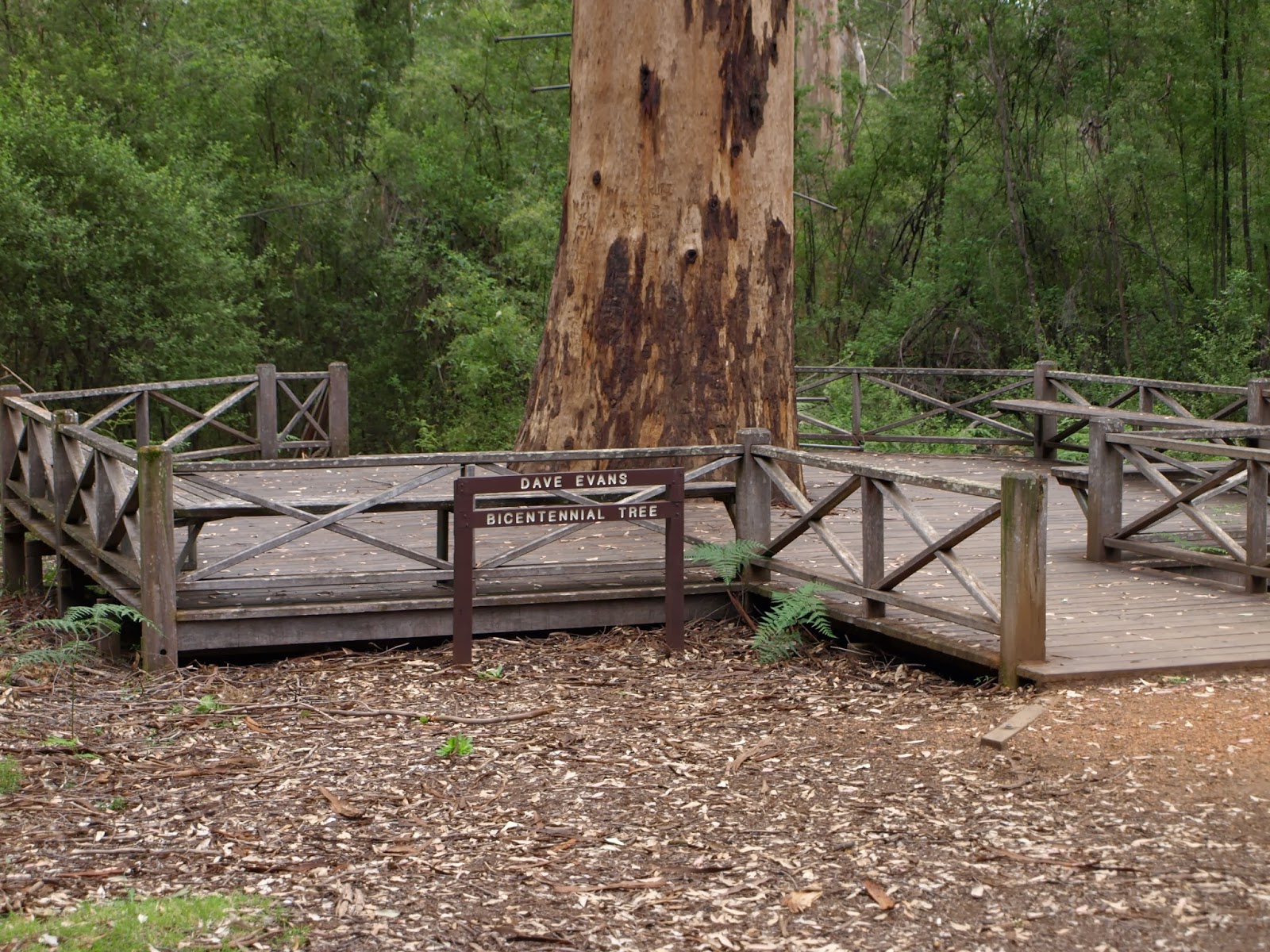
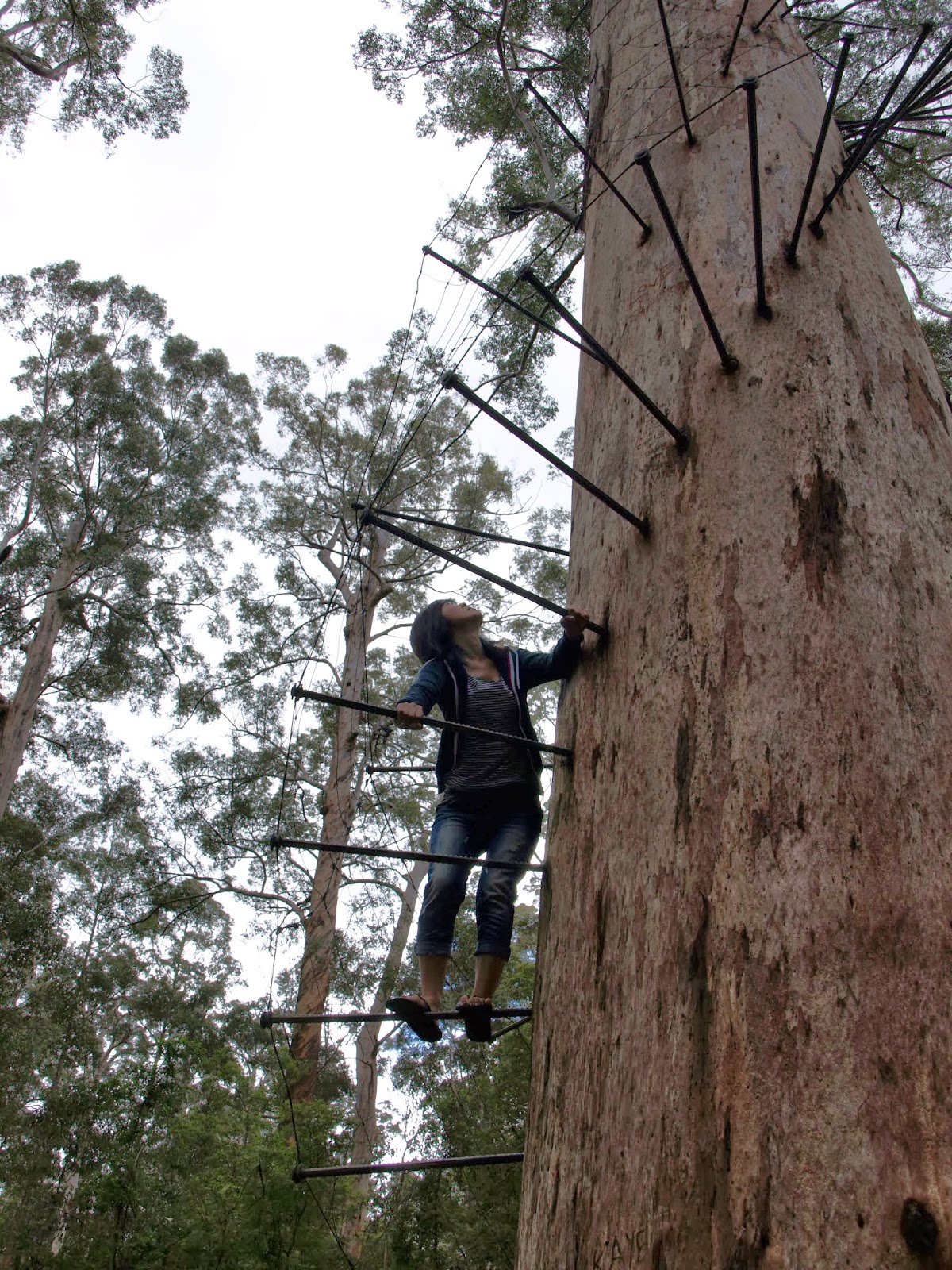
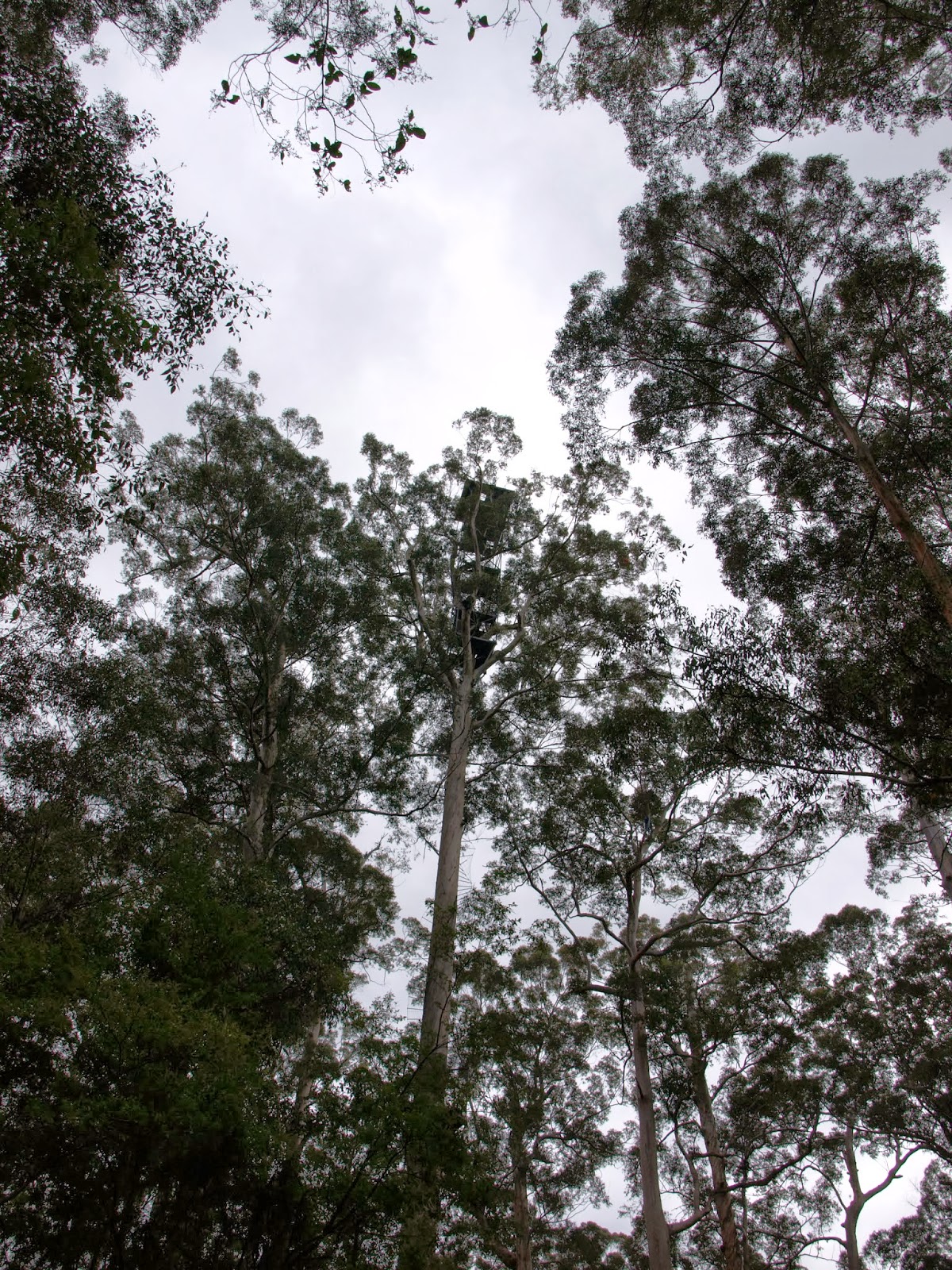
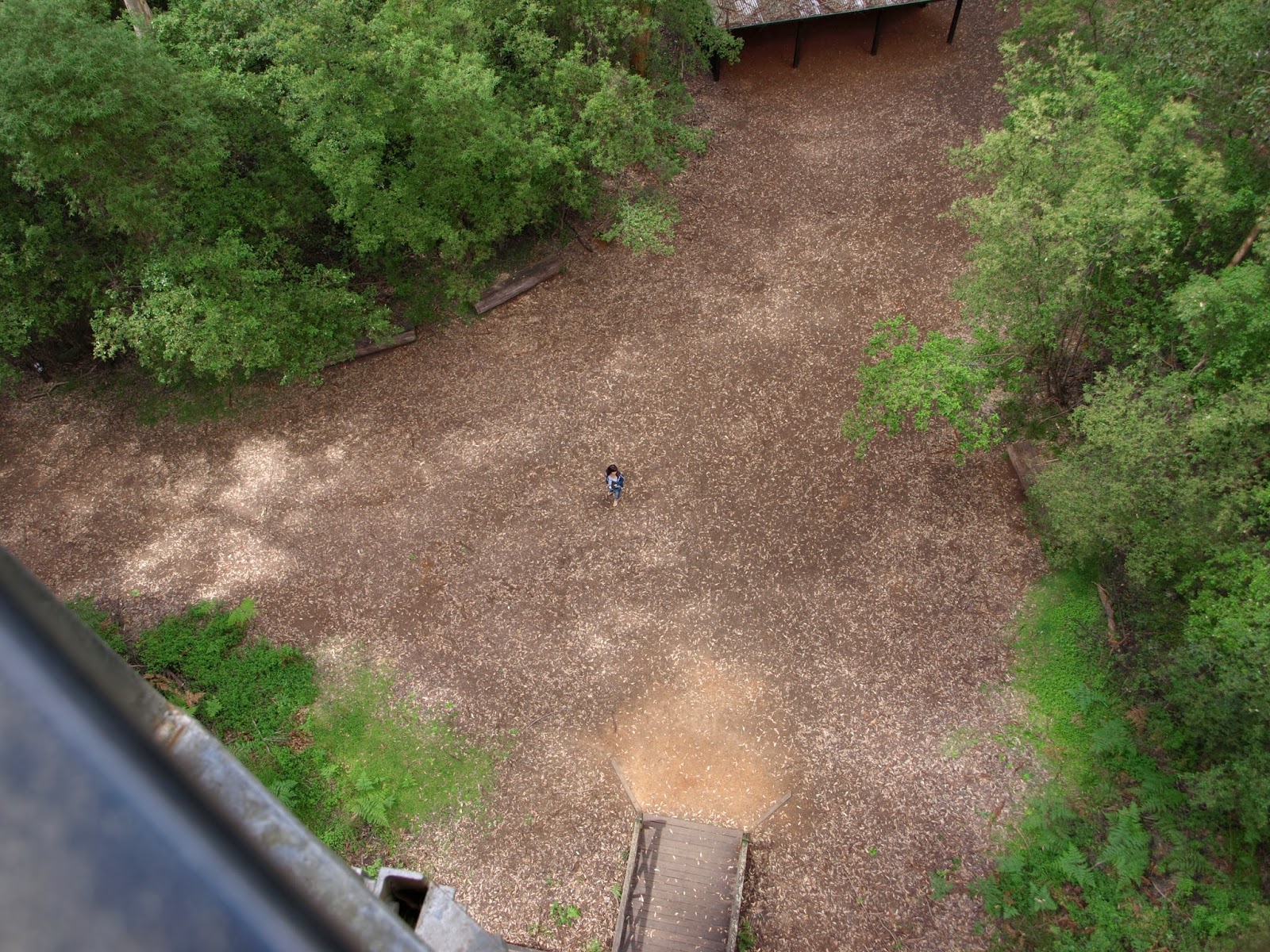
The Pemberton swimming pool, a favourite picnic location for families is located on Lefroy Brook, slightly more than 1 km from the Pemberton township. There are plenty of interesting sights to see in the region ranging from the Warren National Park, Gloucester, Diamond and Bicentennial trees, cascades and the steam trains of the Pemberton Tramway Company.

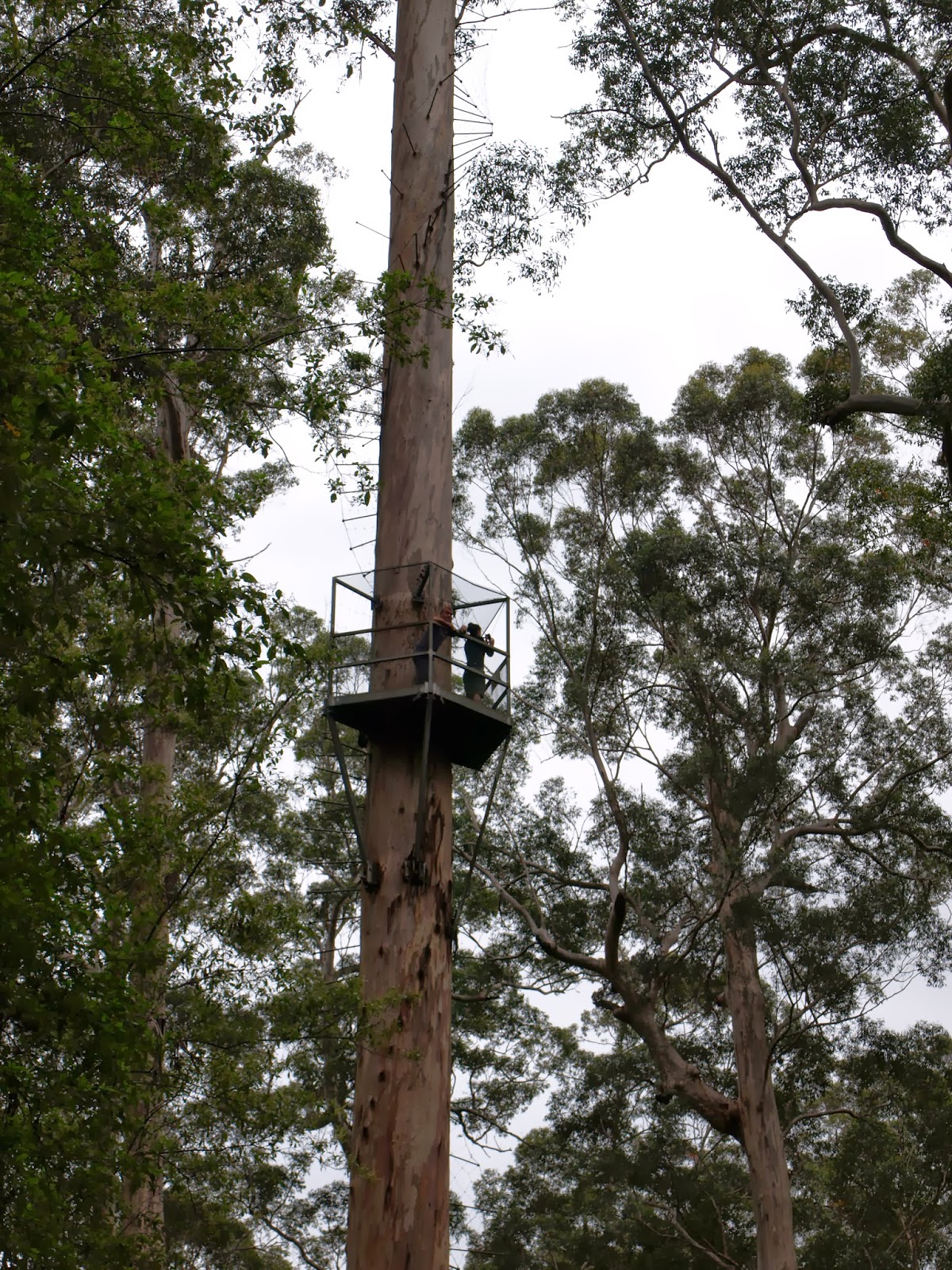
Tall karri trees line the natural swimming pool, my visit was in the middle of winter – there was no chance of going for a swim. As the light shone through trees in the morning, the fog started to rise and the early morning light, the steam train does not run during summer as the risk of fire is too great so I feel winter is the best time to visit Pemberton and surrounds.

What the best MBAs know

For a young person to attend university to study management straight from high school is marginal at best and foolhardy at worst. The Master of Business Administration, or MBA as it is known was originally devised for professionals in diverse fields such as medicine, engineering and science – that is, a person with a technical education seeking the skills and knowledge to run a business.

Having owned a small business, I employed university graduates pretty much straight from school and I learned, to my misfortune that they were not adequately prepared to enter the workforce. Had those institutions insisted on a greater emphasis on workforce development; I would have been employing grounded personnel without the attitude and arrogance willing to undertake all the tasks on offer. 

In an argument with a staff member refusing to undertake a menial task, I pointed out I started out on the broom sweeping floors when required. His reply was that he has a degree, he doesn’t need to use a broom. To this day, I still jump on a broom or mop when required, at that time I had an Advanced Diploma in Management, not an insignificant qualification and was supervising up to 15 apprentices in my full-time employment. 

In order to keep the guys in my charge working effectively, it was more efficient for me to grab cleaning equipment whilst they finished their tasks, I could supervise effectively whilst pushing the broom around them. Not only did it not damage my credibility, it increased my credibility as the apprentices understand I possess technical knowledge and they saw a guy willing to get in and get the job done.

Furthermore, much to his surprise, I could discuss strategic management issues with him using business school terminology and phrases. Not the attitude to take with the person who pays your wages – many thanks to Navarro et al
I had the fortune, or misfortune some might argue to spend some time with a Harvard MBA socially, he was arrogant beyond belief after (according to him, 250k spent on his Harvard education) but well equipped to handle most business situations.

I, on the other hand had first hand supervisory experience working my way through the ranks having no formal management education at that stage. I could do the job, at a supervisory level as was proven in my employment without knowing the correct processes or functions. Upon my return to Australia, I was in a bookshop and the title immediately jumped out at me, I had to have this book and after paying a very modest fee had this valuable reference tool in my grasp. This was the text that gave me the confidence to undertake formal management training. 

To this day, I still reference this excellent book as it has all the major concepts and is more compact than my university reference books. While I now have a mature age bachelor degree, the time spent chatting to to my MBA acquaintance provided the impetus to get accredited. Much humour is now attained on my part, whilst working through the lower frontline management certificates and diplomas – it was predominately face-to-face delivery before undertaking an online university course (still requiring attendance at face-to-face examinations). 

I still face snide remarks from uni snobs at my workplace despite the fact I am their superior, that is, I have a higher position and salary, maybe it never ends short of a Harvard MBA after all. A university education gets you the job interview advantage, however, without actual workplace experience, they are likely to comprehensively fail. A person with on-the-job experience reading What the best MBAs know is at a distinct advantage to an arrogant university graduate.