Backpacking technology

Backpacking has certainly changed since I first left the comforts of Perth in search of excitement, challenges, enlightenment and culture in the mid 90s. It is now 2014 and technology encroaches on our every day life. As I wandered Dubai and the streets of Rome, everybody was using a Galaxy smartphone, or to a lesser degree an iPhone to organise their lives.

My choice of technology is my 10.1 Galaxy tablet, I also have an older 7.0 as a back-up device, both fit easily into my bag, the 7.0 is easier to carry around but lacks some of the functionability of the newer device. This wonderful device not only doubles as a camera, it has almost rendered my FujiFilm digital camera obsolete, it is able to immediately upload pictures to my G+ or Facebook account as soon as an internet connection presents. My digital camera firstly has to be connected to a computer, pictures uploaded to the drive and then online. The quality of the images is astounding, I would never had expected such quality from the lens provided.

The GPS function allows you to exactly pinpoint your position without the need for WiFi connectivity. When travelling on the train and the bus, this important feature allows you to track you current and proposed location with a road map indicating streets and major features such as train stations, monuments, hotels and hospitals. If you fall asleep, you can immediately find your location – I wish I had this feature a decade or so ago, it was literally impossible to carry the full array of maps for multiple countries if you wanted some space in your backpack.

Researching and booking accommodation is easy, Trip Advisor, Booking.com or Lonely Planet is an excellent tool to connect to such services, prices can be checked and compared. Once upon a time, a guide book gave the best backpacker accommodation details, the information could be obsolete before the book went to print. Now, immediate price comparisons are made ensuring best value and competition, furthermore, you are able to critique and rate establishments – they can’t pull any of their old style stunts to rip-off unsuspecting travellers, word gets around so quick in the information age.
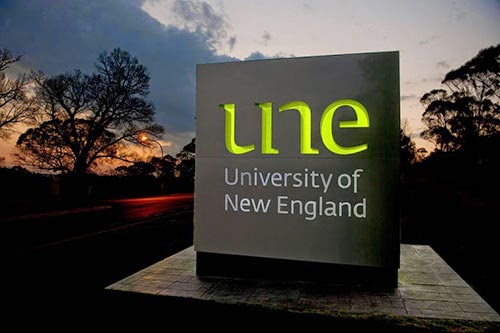

Finally receiving my degree

It has been a long time coming, I completed the requirements for my Bachelor’s degree in Training and Development in 2013, but I decided to start directly to a double degree in trimester 3 in 2013, the university added that unit to the current degree extending the qualification, holding back my graduation until 2014, there was no rush though – not really.

I didn’t even bother flying over to New South Wales for the graduation ceremony, instead opting to receive the certificate in the mail and saving my money for a European trip. It is with some irony that I am in Prague on paid long service leave at the time the certificate arrived. I found out via email from my father, when I return, I will scan the certificate into my computer for employment purposes and my mother can have the certificate.

The genesis can be traced back to early 2005 when I was asked to submit an application to an American company, having worked for the Americans previously, I knew they valued qualifications. I frantically rang around seeking to gain a business qualification at any level to put in my CV. I ended up gaining recognition of prior learning for the Certificate III in Business based on evidence produced as my time as the operations manager of a tourism business. This was really a process and not training so I didn’t feel like I had achieved anything.

As I already had all the presentations, pricing structures, schedules and planning on my computer, it was a relatively easy process to produce evidence of both knowledge and application in the workplace. After all, it was all my own work and easy to verify. However, I still felt I did not earn the qualification and enrolled in the Certificate IV in Frontline Management at the Challenger Institute of Technology Leadership Centre in 2005. That was really the beginning of the institutional learning process as I worked on an extension to the Certificate IV in Business.

I later undertook Business Management before tackling a series of Diploma of Business and Business Management. In the Australian system, a diploma is equivalent to the first year of university studies, essentially a alternate way to receive university credits at a proportion of the cost; the skills and knowledge are equal.

So starting back in 2005, it has been a longer and arguably more difficult route; I have been fully employed during that time. I never needed to take three years off work to complete an undergraduate degree. With the qualification fully paid for by the time the certificate is issued, there was no hangover debt to pay off. I will complete my second undergraduate degree in Organisational Leadership towards the end of 2015 from the University of New England Business School.

While it is not a Harvard, Stanford or Wharton business degree, course material was sourced from diverse institutions including Oxford University in the United Kingdom and other internationally recognised institutions as well as numerous Australian facility ensuring an Asia/Pacific focus. So now it is time to start negotiating with institutions for credit and advanced standing towards the Master’s degree, in an uncapped business environment, they are willing to deal, all of a sudden, I have leverage.

Has Perth become a bogan backwater?

I am a Perth local, I grew up as a kid in the 70s when Perth was basically a big country town. Even during the 80s, there were times I left the keys accidently in the ignition of my car overnight, on the road out the front of the house and it would still be there in the morning. At times, Perth was described as a quaint place time forgot, television writers had the option of killing off a character by death if they were not returning to the show and needed a ratings boost, the other option was move to Perth keeping alive a character to return to the show in the future.

Lonely Planet describes Perth as a city of cashed up bogans with money to burn on cars, beer and drugs. Then there is the associated by-products of the boom years, the attitude that goes with the success, I feel it is more a by-product of Perth’s isolation and the lack of worldly knowledge held by a large proportion of the population.

Perth is now a truly cosmopolitan city, much needed investment has been poured into infrastructure, yet with the growth outstripping supply, the city is always playing catch-up. I just hope, Perth’s social status can improve from the perception of the cashed-up bogan to a refined livable carefree isolated oasis.

Why I will never again employ a PADI Course Director

As both a former dive store owner and dive instructor, I thought the PADI Course Director was the pinnacle of non-commercial dive employment – I was wrong. Notwithstanding, the oversupply of Course Directors PADI has created, it is both the quality of the product they churn out and the attitude that PADI instills in their highest designation that irks me.

Firstly, let’s get this straight, I am not a frustrated wannabe who missed the opportunity to rise to PADI’s highest level. I was offered a position on the course, I was neither a PADI Staff Instructor nor a Master Instructor. I easily met the con-ed ratio, had the correct number of certifications and experience. When you have a high certification dive centre pushing you, they find ways, they have confidentiality clauses to ensure you don’t let the diving world know what really happened.

But lets face it, that can be manipulated as I once did to get one of our Staff Instructors on the course as a dive store manager. Strangely, he wasn’t even the best instructor we had, but he had the money to pay for the course and even more importantly, he was friends with a high profile PADI Course Director.

As for me, I refused the offer of a free Course Director course a number of years later, even though at the time I was working for a high profile PADI dive centre. I knew I didn’t want to go down this route, I had to stand by my personal convictions and refuse because I knew I could not keep my end of the bargain.

Nothing is free, I would have been encumbered to the business to pump out instructors at a great rate of knots. That’s fair enough, but I would also be required to be down the business every living moment. Actually, I was anyway at that stage but it was my choice and I could leave at any point with no ill feelings.

A Course Director is a dive instructor first and foremost, if you have entry level divers that need training, that is their job. Likewise, if you need tanks filled, equipment sorted and washed – they need to get in and work too. I have had the case where as the business owner, I had to get in and do entry level courses because our messiah like Course Director refused to do so. Salary wise, you pay over and above a normal dive instructor so they had better make sure they perform above an average instructor, mind you – the money as a dive instructor isn’t much.

Likewise, as per the PADI code of ethical behaviour, you would expect such a highly rated PADI designation to adhere to the ethics and not act in a dishonest manner, steal from you or send your customers to your competitors or act in a fraudulent manner. Yeah, try and take on the might of the PADI Quality Assurance department and see how you fare.

Who in Australia has a Blackberry anymore?

I own an older style Blackberry 8520 Curve smartphone – I suppose I’m just not cool. I work in the college system with plenty of young guys sporting either a Samsung Galaxy or an Apple iPhone. I know this because I have daily issues with these guys never wanting to leave their phones alone in class.

Before I upgraded to my secondhand Blackberry in 2013, I was still using an older Nokia handset, actually I was happy with that as Nokia products are very reliable. I know the Blackberry is the former phone of London and New York stockbrokers engaged in high finance, now it is merely the secure phone of politicians, yet I am happy with this older technology. I gained my Blackberry in South East Asia where the product is still well represented, I know of no one in Australia who actually owns one.

Penfolds Bin 9

Perth had been experiencing heavier than usual late autumn rains; the temperature was sure to drop with all the moisture around, the only saviour being the the cloudy skies possibly locking some of the little warmth that had developed during the day on the rare occasion the sun poked through the clouds during the day.

Penfolds Bin 9

I originally thought it’s been ages since I have knocked the cap off a Bin 9 cabernet sauvignon because I couldn’t remember drinking one in a long long time; I was surprised to find out this is a relatively new addition to their range, the 2012 Bin 9 is their first release. A little research found I had mistaken the Bin 8 Cabernet Shiraz, first released in 2003 with the bottle perched alongside me.

The Bin 9 is an excellent example of South Australian wine making with the majority of fruit sourced from the McLaren Vale region, reviewing the tasting notes, I also see fruit was sourced from the Langhorne Creek, Barossa, Padthaway, Barossa Valley, Coonawarra and Wrattonbully regions. That is a pretty broad spectrum of vineyards, I wonder what the process of selecting fruit entailed, this blended wine I guess is seeking consistency, not an outstanding year for an amazing vintage.

The deep ruby colour ensures one needs to be very careful around clothes, vehicle paint or any object likely to become stained. The wine was drinking well now, I couldn’t distinguish big tannins or acid holding this wine together, I expect a medium term cellaring potential only, probably 3 -5 years max. Viewing the tasting notes, I stand corrected – the Penfolds team believes this wine may be cellared right up to 2015.

Fine oak flavours shine through with hints of cedar, an overarching blackcurrent note with mixed spice in the aftertaste. Once again viewing the tasting notes, I see the Bin 9 was matured for 12 months in French and American oak hogsheads with 12% new French oak and 15% new American oak. I liked it and will be buying in the future – this time, I will have done my research and will pay the right price at my usual choice of bottle shop.

Walking on the moon

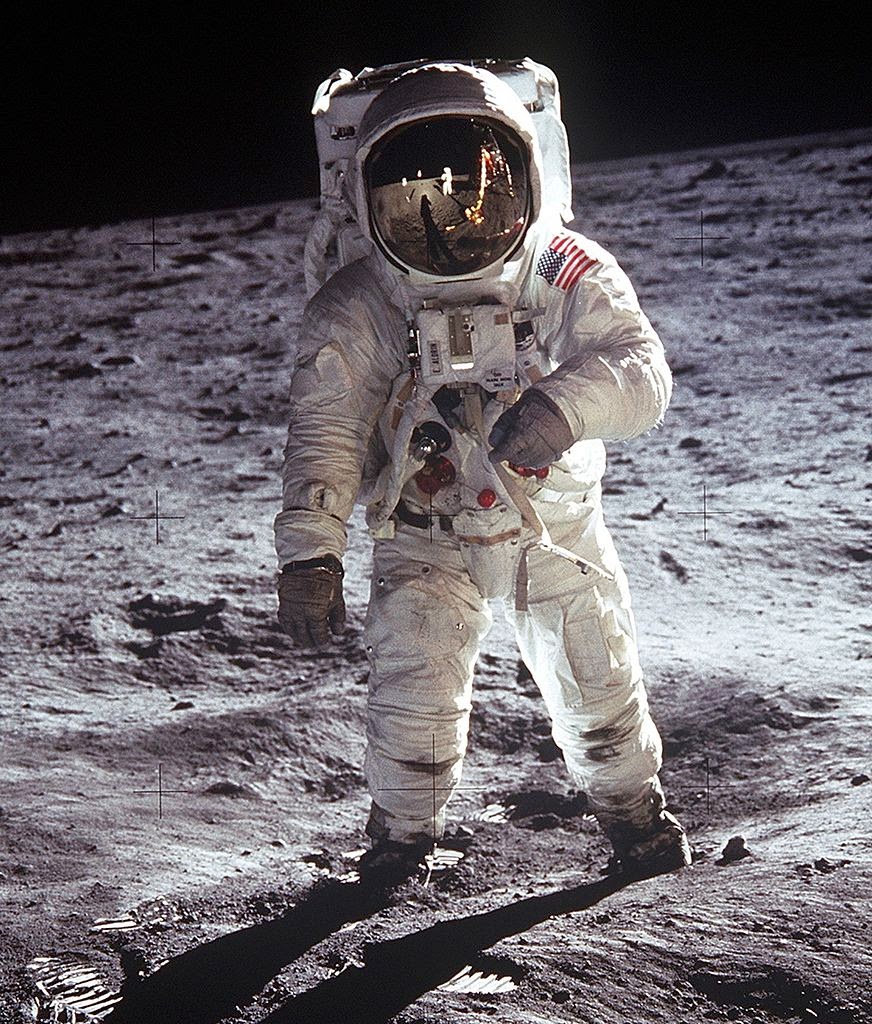
One of the most enduring photographs of the Apollo 11 moon walks was Buzz Aldrin standing on the moon’s surface with Neil Armstrong’s reflection in his visor along with the leg of the lunar module.

During their two hour lunar surface sojourn; the Apollo 11 moonwalk didn’t venture far from the lunar module, the greatest distance ventured was 60 metres from the Eagle, instead setting up science experiments such as retro reflectors and collecting samples. Amazingly, the moon landing lasted a duration of 21 hours encompassing the initial landing, preparing for lift-off, preparing for the moonwalk, repairing damage to the engine arming switch, a sleep and lift-off.

Some would argue this program was a waste of money, the moon landings produced no real scientific outcomes and was even faked. I am amazed at the engineering and the fact NASA, some 45 years later is unable to return to the moon’s surface anytime soon and no other nation has landed humans on the moon’s surface. The Apollo project, despite a number of setbacks was an categorical success – planned Mars exploration is built on the foundations of the Apollo moon landings.

The building of character in the junior league

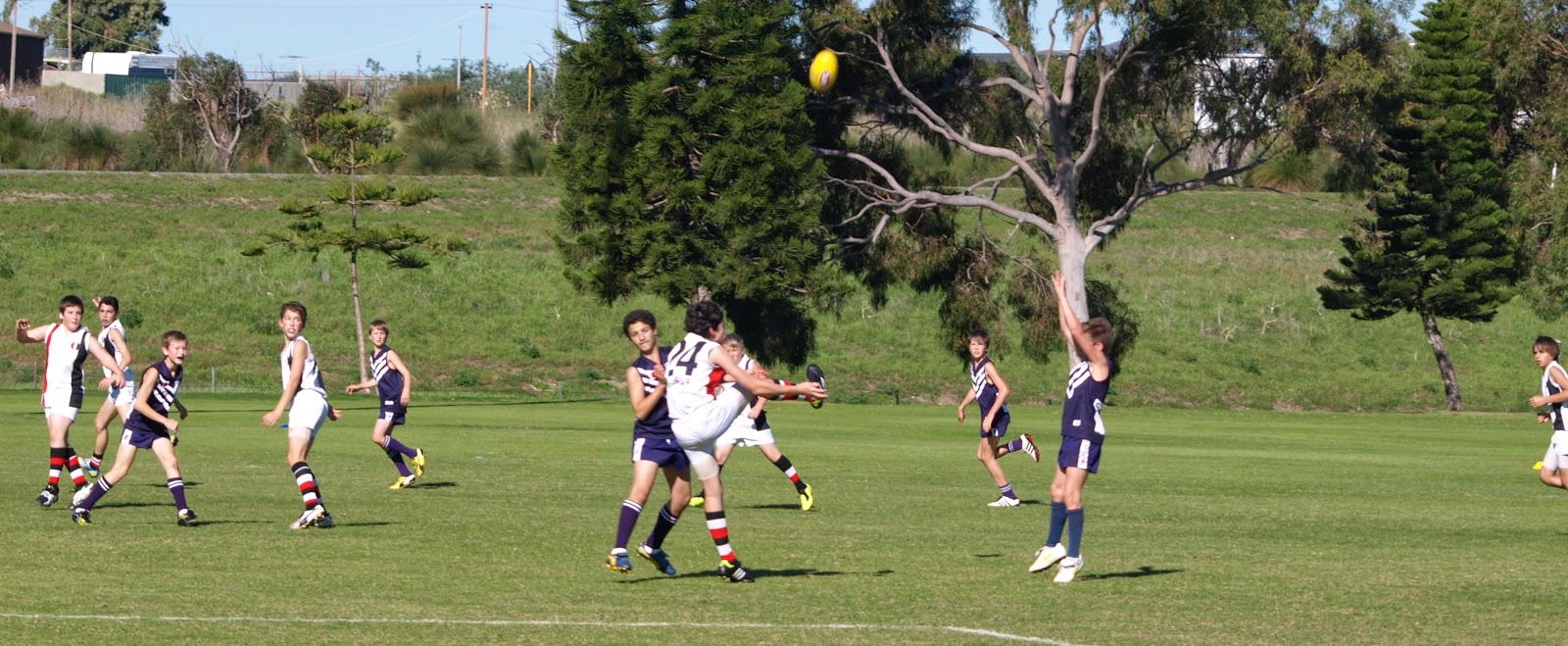
Having a teenage nephew, I have both the pleasure and responsibility of going down and watching him play junior league football. This is Australian Rules football, played all over the nation and increasingly in other countries as well now – this is a new development.

He graduated from the shorter half grounds in 2012 to the full length grounds, this opens the play up showing a genuine skills advantage to kids who can move the ball quickly and accurately. In the younger competition, girls are able to play in the same team as the boys – a mixed team gives everyone an opportunity. Once adolescence is reached, the team moves to single sex as the game becomes a little harder and physical although I understand they have women’s competitions around the country.

Some say Australian Rules football is too brutal, too difficult and too injury prone, I disagree wholeheartedly. Juniors, like senior players only wear a mouthguard as protection, an umpire adjudicates with fair play rewarded. You are more likely to suffer soft tissue injuries from muscle tears attributed to running than bone injuries at this level.

Sure, the players have to get down to ground level to win the hard ball – this is character building. Playing to the best of your ability in a team environment, getting in and winning the hard ball, showing commitment to training and practice and providing assistance to your team mates. Sport mirrors life, the lessons learned in competition and training help shape the youth for their entry into the broader community.

Back diving in Anilao

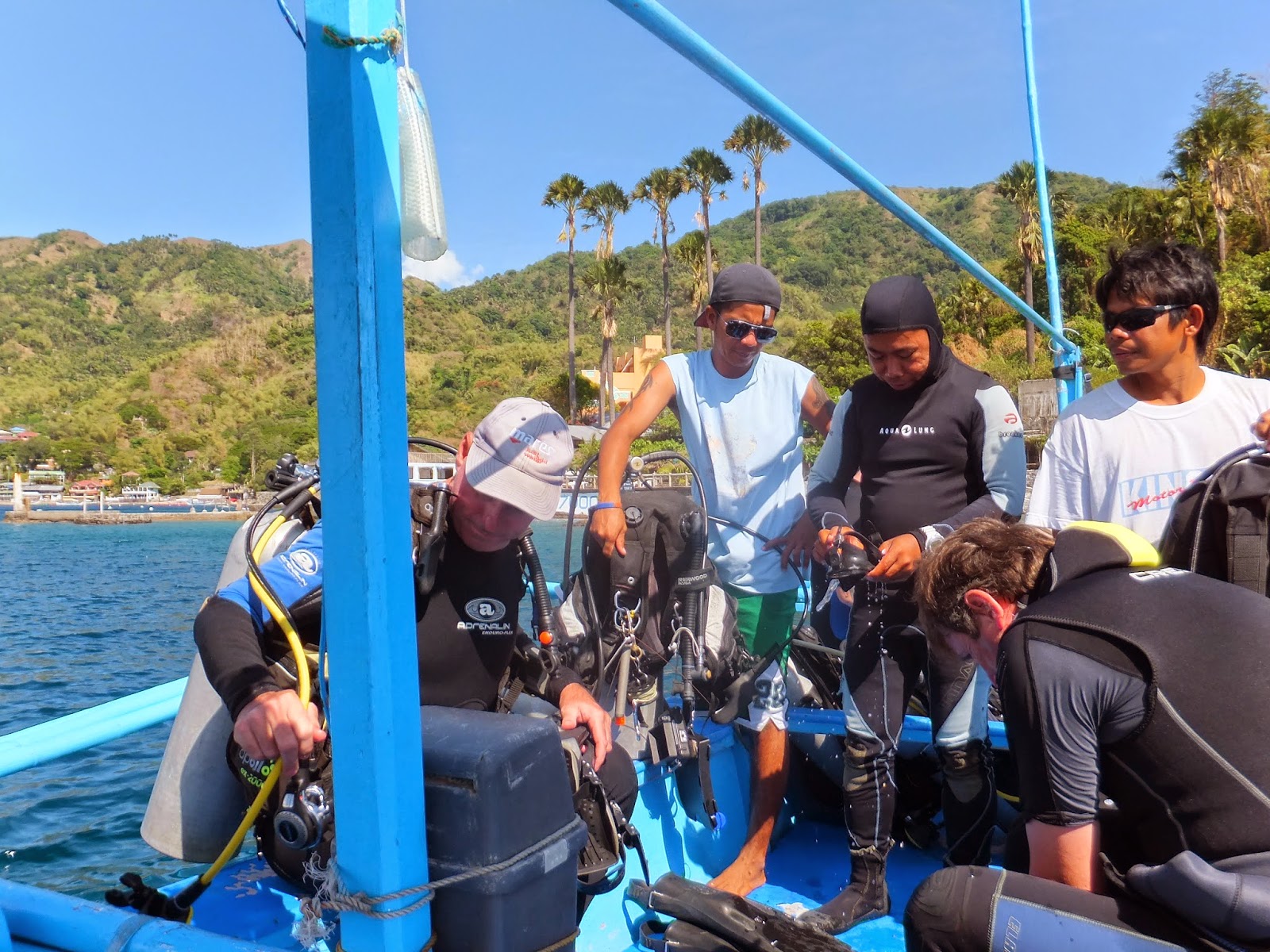
It has been a year, but finally I am back diving in Anilao with Ronnie, Rene and the rest of the team at Anilao Diving. I enjoy diving here, this isn’t the best diving in the Philippines – yet I like diving here with this crew.

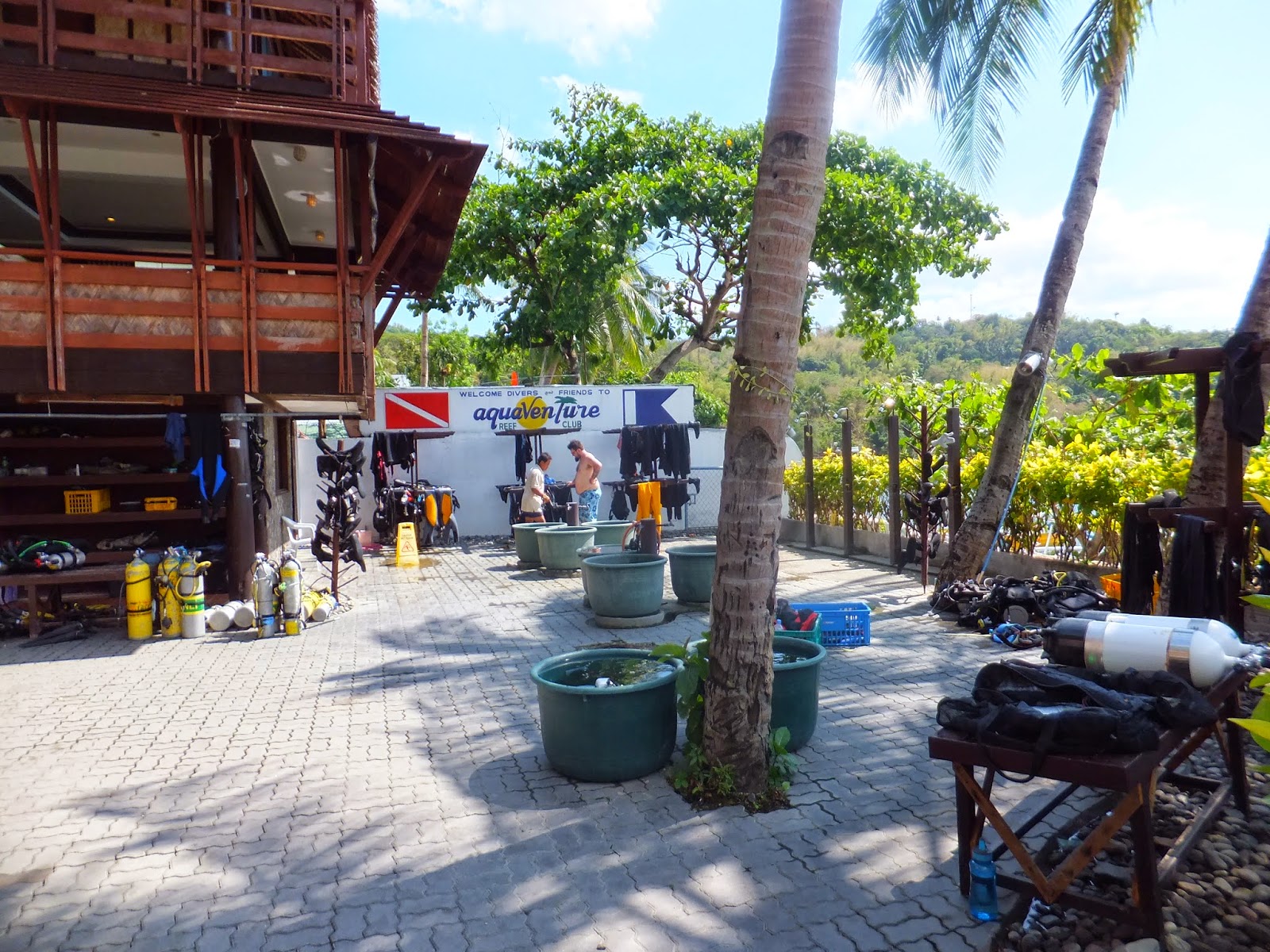
An excellent start to diving saw us lead off with a 70 minute dive followed by after the surface interval with an 84 minute dive before heading back across the bay to aquaVenture for lunch and a 70 minute afternoon dive.

I once again stayed at the excellent aquaVenture resort, the weekend was very busy with the usual groups out from Manila. After my dives were done, I could sit up on the deck, there are deckchairs and the sunset is amazing everyday, the resort is excellent and reasonably priced too.

My trip last year saw me staying at Mayumi Resort in the same area, I do prefer the location of my 2012 trip much more. It isn’t cheap by Philippine standards, but nonetheless, it is my preferred option.

During the week, the resort was much quieter, a Chinese group kept the place busy. They had some TDI technical courses goin on, some rebreathers and sidemount set-ups, there was plenty of doubles and stage cylinders on hand too.

Weekdays are normally pretty quiet as their usual Manila based clientele is busy working for the weekend. The last time I stayed here, I was the sole person in the resort, another group booked in as the Chinese group was heading back so the place is busy as the Philippine summer was starting.

The sunsets over the water are excellent, it is a hassle carting wine from Manila, yet sitting out watching the sunset makes the hassle worthwhile. For me, I love coming here, the diving is ok without being outstanding, the resort is great, the staff know me and do a great job looking after me.

The falacy of union leadership

Australian trade unions are decrying the royal commission into trade union corruption, this is, of course, of grievest concern to past and present trade union leaders. The royal commission will examine methodology and tactics individuals utilise when they misuse their privileged role as trade union officials for political advancement and self-enrichment.


When a trade union official gouges funds from a business enterprise; this occurs because the business enterprise is purchasing a commodity of value to the business, it could be industrial harmony, prevention of strike action or work to rule, hindrance, industrial espionage, willful destruction, theft, bullying, harassment, intimidation and actual violence. As the self-elected custodians of employee rights, union officials have just two products to sell – employee rights or political assistance.

Union officials must be subject to stricter supervision and greater regulation than company directors. After all, the company director represents the interests of the organisation; should that director act in a manner that is contrary to the interests of the organisation, the director is held personally culpable. The director has to prepare annual reports and lodge to the Australian Securities and & Investments Commission (ASIC); the accounts are prepared by registered accountants and reviewed by auditors.

A trade union is the recipient of funds gained from members, that is employees paying fees derived through their employment (usually a percentage these days); strict financial management including a general ledger (recording revenue, expenses, assets and liabilities), cash records, debtor and sales records, inventory records, investment records and wage & superannuation liabilities. Trade unions don’t pay tax, a ruling by the Australian Taxation Office means trade unions are flush with cash and reduced responsibilities.

The well worn political narrative sold to workers is Labor party is the protector of the worker while the Liberal party is the voice of big business, any neutral observer can see this no longer applies. Trade unions have traditionally relied on confusing worker’s rights with union rights – the union pitch is we fight for your rights; therefore, if union rights are curtailed, then worker rights and privileges are under attack.

What really happens is when union membership is reduced, union influence is curtailed – hence the huge fight to maintain compulsory union membership on industrial work sites. I still recall the days of NO TICKET – NO START, you were not allowed to even set foot on the work site without current union membership, you had to produce the ticket on demand, hence my required union membership back in the 1980s and 1990s.

Trade union leaders repeatedly cast the Liberal party as the protector of big business; however, trade unions negotiate regularly with big business, not small business enterprises that have little to no union membership. It is of particular irony that the Liberal party is aligned to small business while the Labor party is aligned to big business. Labor may soon be recast as the party big business while the Liberal party may be recast as the party of the ordinary worker – who would have thought?