The Australian election miracle

The federal election threw up a surprise, nobody and I mean nobody expected this outcome. For three years, the Liberal party never won one opinion poll. Even heading into polling day, nobody was expecting a liberal win, that included the Liberal party and every political commentator.
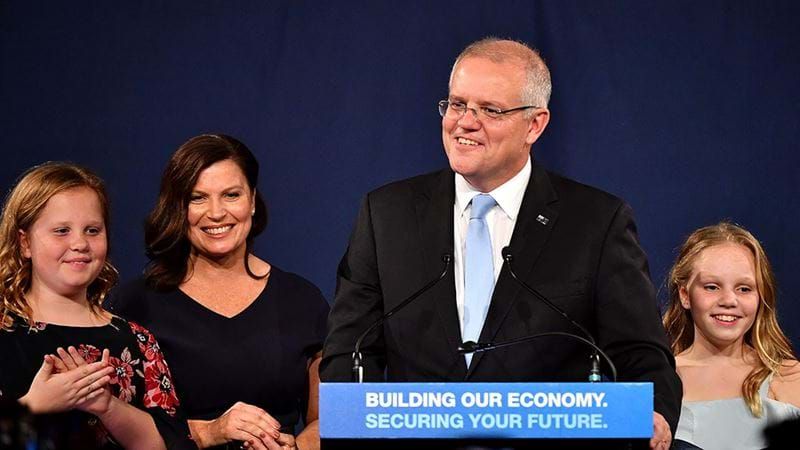
Australian Labor Party leader Bill Shorten was never going to be a popular leader, he had no charisma pretty much reading off cue cards written by speechwriters for the last three years. Scott Morrison on the other hand came across as a genuine guy, he could speak to people and articulate a clear message.

Despite the turmoil in the Liberal party over the past six years; somehow, ScoMo was able to snatch victory away from an inept Labor party who campaigned on a policy of envy, class warfare and wealth redistribution based on higher taxes. Even on election day, exit polls were indicating a Labor win.

As the night rolled on, we could slowly feel the change and all of a sudden a victory seemed possible. Former Prime Minister Tony Abbott lost his seat yet this wasn’t a problem. With Malcolm Turnbull now out of parliament and now Tony Abbott gone, the disharmony in the Liberal party had evaporated.

On the other hand, Bill Shorten, now known as Billary has managed to turn a solid polls lead into a humiliating loss, but it was not just his personal popularity that cost them the election. The Labor party had 6 years to form solid policies in opposition, the architects need to be reassigned to the back bench.

But instead, through arrogance came up with divisive policies that alienated the electorate because they thought they couldn’t lose and the electorate punished them. This was an absolute disaster for the Australian Labor party, they totally misread the community and rubbish policies assigned them to another three years in opposition.
Public transport in Perth, why bother?

It’s the same problem every Friday night, you do what is right and leave your car at home and catch public transport if you plan to drink. There is little incentive to catch public transport when the schedules are so poorly designed, they need to do better.

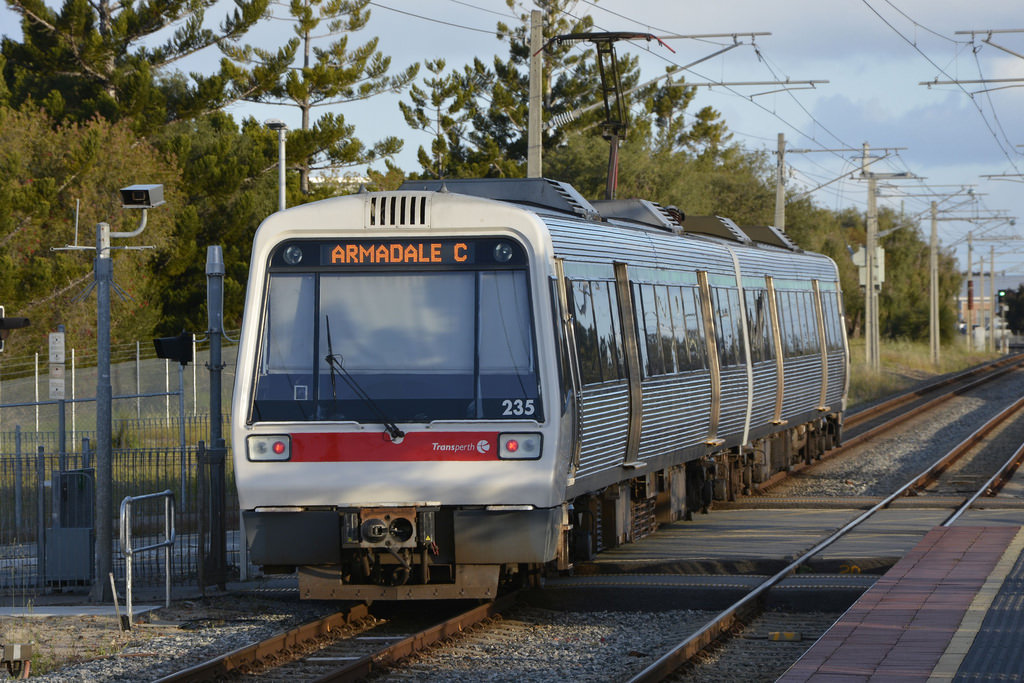
I am drinking with my father so I leave my vehicle at home and take a combination of buses and trains to work, two buses to my parents house and a bus and a train home. Transperth, in various forms has been operating for a very long time. After all this time operating, they still, can’t seem to coordinate a bus and train connection.

So every Friday night, I am standing up at the bus stop on time waiting for the bus to arrive. At the very best, I can jump from the bus and run through the train station to just make the train – that is if every connection aligns. What really happens is that when the bus pulls into the station, we see the train pulling away and I have another 30 minutes to wait.

So I ask, after all this time of scheduling and coordinating buses and trains, why is Transperth unable to align a bus to a train with any degree of consistency? Patronage on public transport is down, more people elect to drive a motor vehicle than catch public transport. This is despite a bus or train running to the same destination to where you need  to drive. The senior managers need to ask why, what can they do to reverse public opinion regarding bus and train patronage.

The service is lousy, the costs of running a vehicle are similar, the schedules except during peak period are lousy, safety is an issue and connections are worse. The question is, why would a person choose public transport instead of a private vehicle? Really, there is no incentive and the system will be mostly utilised by people who do not have the means to afford a private vehicle, those too young to drive or those attempting to avoid a booze bus.

Ubud coffee houses

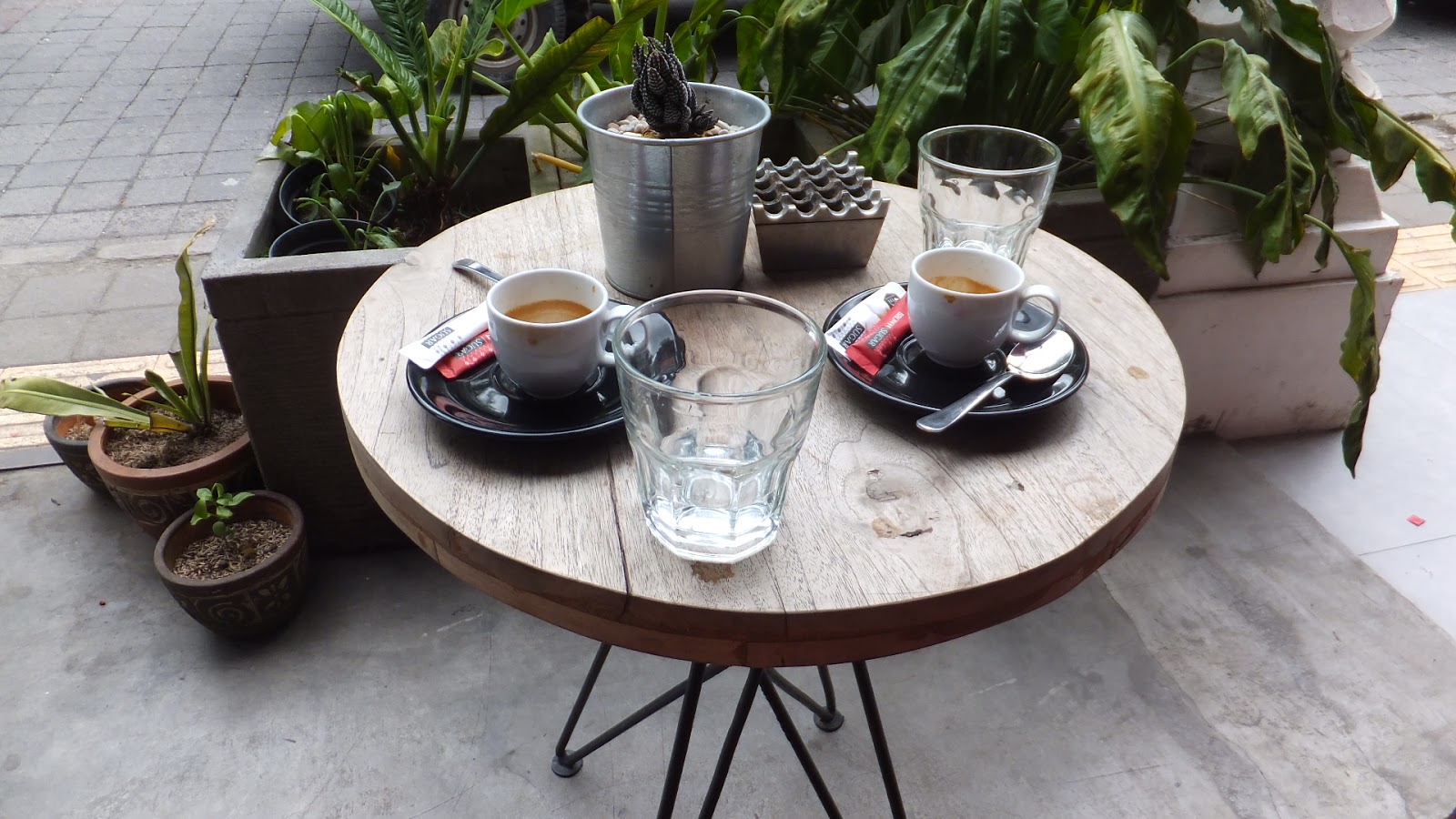
As we wander around Ubud, I see a proliferation of small but quality coffee houses. For me, this is a great development for local producers and retailers, it makes for a great experience for foreign tourists.

I am seeing single origin coffee beans for sale in these coffee shops. Sumatran coffee is world famous, Bali has their own coffee bean industry and it is great to see retailers support and promote local product and suppliers. I am enjoying both their ambiance, service and their product, above all else, I enjoy supporting small business entrepreneurs with my tourist dollars.

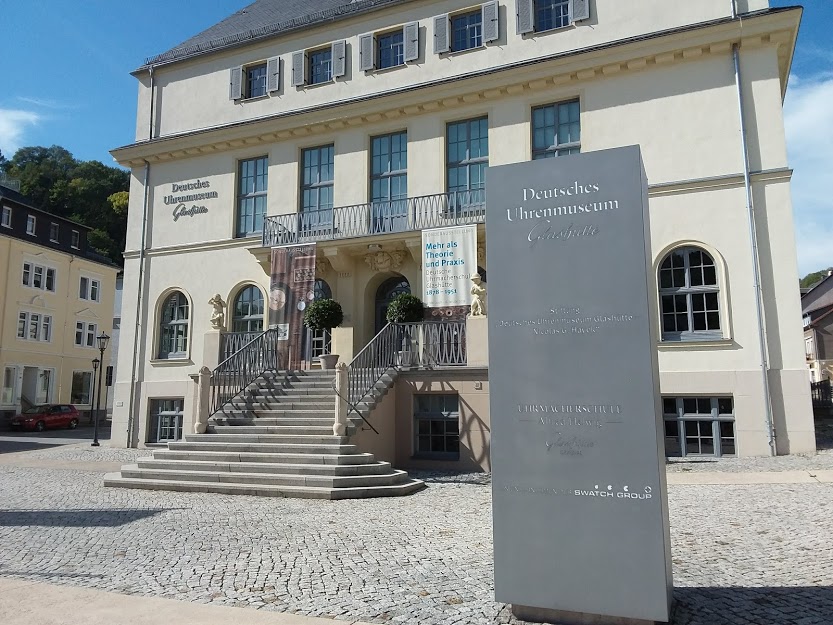
The Glashütte Watch Museum

So we were in Dresden, a trip south to the town of Glashütte wasn’t going to be too difficult. The S-bahn is an efficient system; however, to my surprise, a diesel locomotive pulls the double carriage on this section. The German rail system run by Die Bahn is an extensive network that is efficiently run. The train trip down from Dresden was scenic, it didn’t take all that long as it is only 25 kilometres with the train pulling up exactly where we needed to be.

For a watch guy like myself, there was no chance of me missing Glashütte, the home of A. Lange & Söhne, Original Glashütte, Union Glashütte and Nomos Glashütte. As we pulled in, I could see the production facilities of Union Glashütte. To my surprise, Nomos Glashütte is so close to the train station, I wondered if it was actually in the train station. Walking just 50 metres, we were at the building of A. Lange & Söhne, the three major Glashütte watch manufacturers I was familiar with were all within a tight locality – amazing.

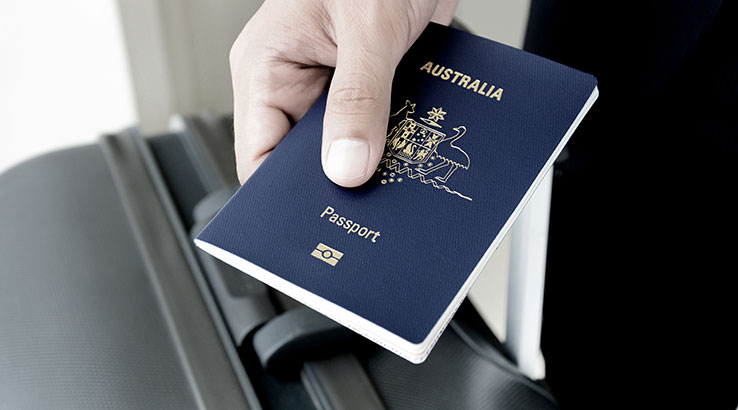
Handing over your passport

So a day after entering the Democratic Republic of Congo I have handed my passport over to company representatives to send to Kinshasa to get the necessary work permits – I am now pretty vulnerable.

This wasn’t the first time I handed over my passport for a visa. When I arrived in Lubumbashi, I went through immigration with a visa Volant and whilst they processed my application. They held onto my passport whilst I was taken from the airport to a medical centre where they drew blood and took a chest x-ray.

Whilst I was with a company representative, you are pretty much at their mercy as they keep your passport whilst you go offsite. Should something goes wrong, you would be unable to leave the country until a new passport was issued. As far as I know Australia doesn’t have an embassy, or even a consulate for that matter in the Democratic Republic of Congo – that’s an issue.

So I had to wait eight weeks for my visa to be processed and should something go wrong I am stuck in the Democratic Republic of Congo. Not that I aren’t enjoying my time here, it is just the potential time frame that I am left without a passport in a foreign country. Eventually, they never scored my working visa, it was an ongoing list of excuses and non-performance that wore me down.

Losing my Elite Silver status

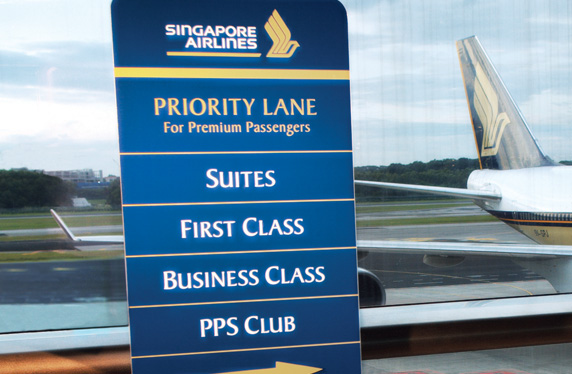
That didn’t take long, I had my Silver Elite status for a year and I just didn’t rack enough flights, I needed to earn 25,000 miles in that time to qualify for another year – I missed by a couple of thousand points. That was really disappointing, that would have helped a lot  for my next round of bookings.

Oh well, it doesn’t hurt that much anyway. There was no priority boarding, no lounge access and no upgrades so I wasn’t worried. I actually took some domestic flights with Virgin that would have gotten me over the line, oh well, not to worry. It would have given me more flight miles, this would have upgraded me to the next level again – oh well.

Flying the company jet

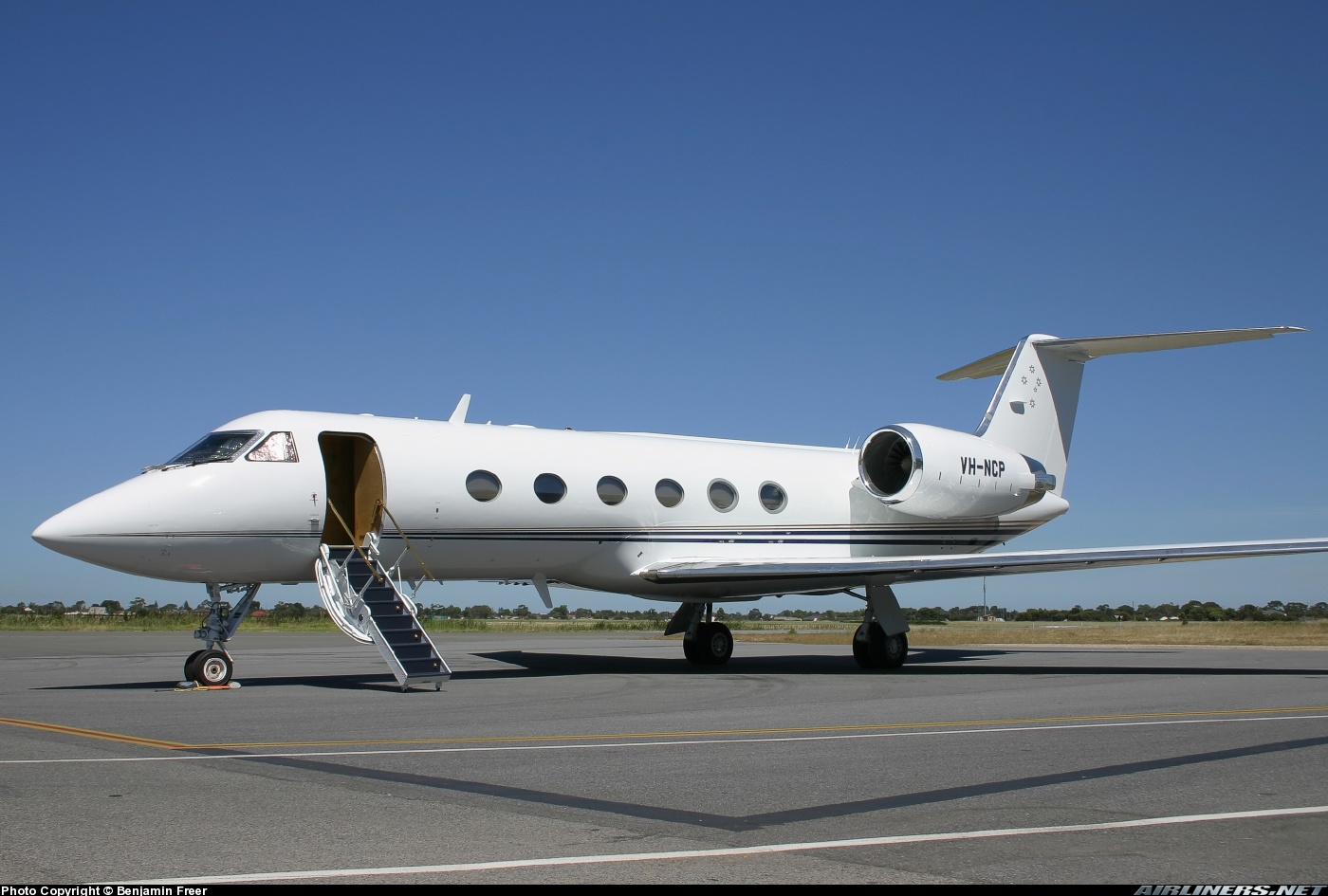
Moving from an Australian company to an American company is a bit of a culture shock, I have worked for Americans before, so I know they operate on big budgets and no expense is spared.

Unlike Australian companies dominated by accountants whose only goal is to constantly slash costs and conditions, American companies seem to be far more generous in my opinion. Of course you need accountants, just don t let them run the company. I understood this when I stepped on the company jet at O.R. Tamo International Airport, they really fly a jet aircraft. Sure, I used to fly to site with Australian companies, they are generally propeller aircraft operated by small aviation companies with tight budgets.

Flying to the assembly/departure destination at Johannesburg, after the initial six month probation period they then fly all staff to point of hire business class. They pay well so they attract the best talent, they look after staff and staff turnover is generally low while morale is high. So, after my probation period I can look forward to business class travel, being put up in pretty decent hotels when I am in transit and meals paid. I think I am going to get very used to this lifestyle, it is going to be hard to go back to what I was doing before – that’s for sure.

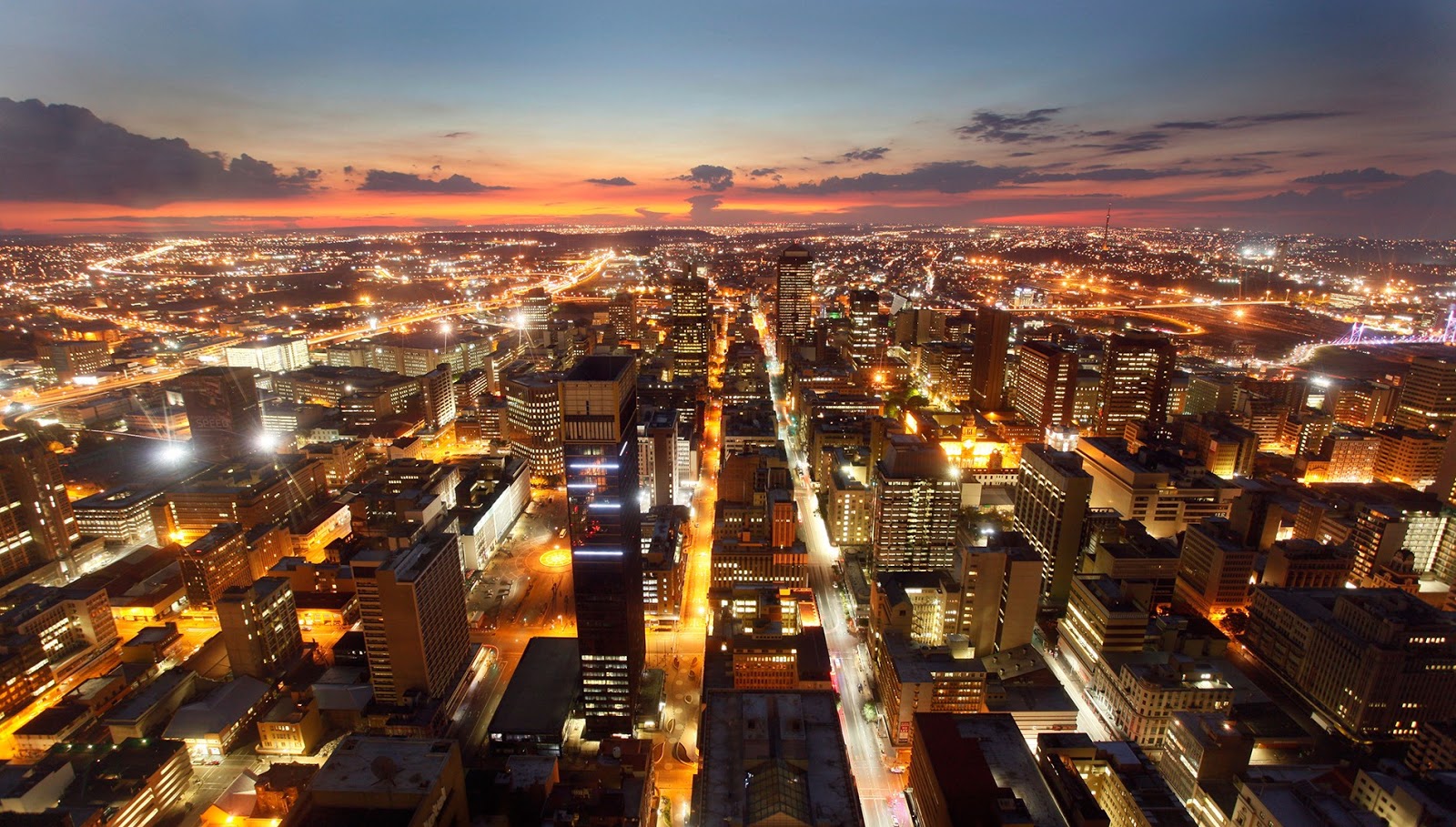
Heading to Johannesburg

My final day of employment in the Western Australian government began with 4 hours of sick leave on Friday morning. I was departing for South Africa at 11:45 the next evening and I still hadn’t had my Yellow Fever vaccination.

This was cutting it close but not that close, it was mid January and we were unable to obtain the required vaccination as I guess the live culture was in short supply due to the Christmas shutdown period. Through the medical centre, they had tracked down a single dose of the vaccine that was held a a pharmacy – that was a lucky break. We nearly had to delay my mobilisation to site, I would then have to wait another week – a terrible outcome.

I had been waiting weeks for the vaccine but the lab was unable to supply, I was getting concerned as the last thing I wanted was to be stopped at the border and denied entry into the country. This was not how I wanted to start a new job, detained at the border requiring assistance from company representatives. I had decided to return to work for two weeks in 2019 despite holding a firm offer of employment, I would be able to use some of my professional leave for 2019 and 4 of the 16 hours of non-accruing sick leave.

My accruing sick leave stood at 165 days that I had accumulated over the years, I couldn’t cash that in, but I had always kept a reserve in case of major illness, I am careful in such an instance as I am getting older and suffered some slight illness. So everything was now in order, I had dinner and drinks at my parents house Friday night, sailing Saturday afternoon and then head home, pack my bags and head to the airport. Life is pretty good, I have no complaints, I am off on my next adventure and I am really looking forward to this next phase of my life.

My final day

I came to work Friday three hours late, it was planned as I had my final appointment booked for my medical, I still didn’t have clearance to travel to site, that happened after midday. I received notification during the afternoon when I checked my email at 4 pm, then I knew I was going. I forwarded the notification and prepared myself for the next step, the contract was now live.

I took a class, it was tuning diesel engines that involved inline pump timing, rotary pump timing, mechanical injector setting, EUI setting and finally hydraulic injector testing. This was a routine class for me but it felt nothing like a routine class, when you know you are finished there is a sense of relief that you don’t need to do this anymore. Naturally, I was counting down the sessions with four hours to go, two hours to go and then thirty minutes to go, this was it – I was done.

When I walked back into the staff room it was almost empty, that’s exactly what I wanted as there were just three people left, one left early and as I checked my computer for the final time, I walked through the near empty staff room and headed for the door. I shook two hands and walked out, didn’t look back and headed towards the bus stop. This is exactly the way I wanted to leave, no discussion, no fanfare and I would have been happy to not see anyone. What I wanted to do was walk out, disconnect and never look back and my first action was to do exactly that – I walked out the door and kept walking.

How managers affect productivity

The role of the manager is to get the job done through the efforts of others; therefore, the manager’s task is to elicit superior performance through the efforts of the team they lead. Seems pretty simple so far, so how does it all go so wrong?


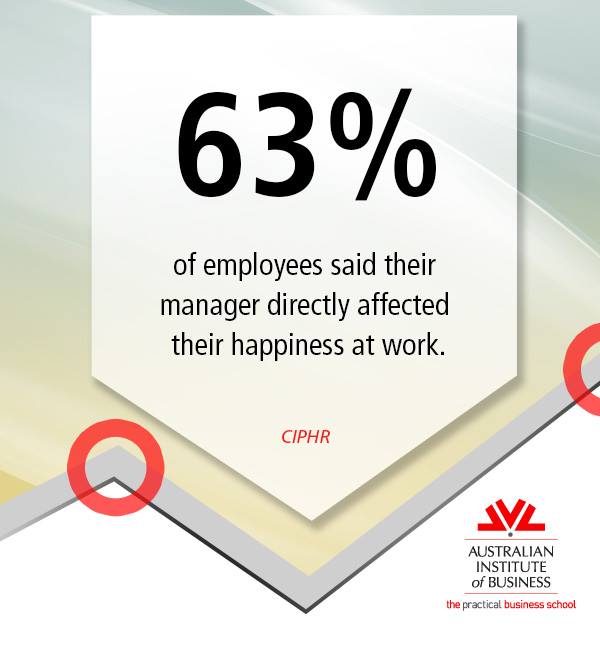
So, according to CIPHR’s research, the manager controls more than half of staff happiness, yet why do poorly trained managers fare so badly in aspects of organisational behaviour? I believe it should be mandatory for all managers to receive tertiary level training in organisational behaviour. Non-recognition of effort sends a pretty clear message of why bother; furthermore, allowing non-performing staff members to keep doing what they are doing reinforces the demotivational forces.

In these days of flat organisational structures after years of downsizing, overworking of team members is mandatory and people accept that, what they don’t accept is a lack of employee care. Not honouring commitments and dishonesty are clear demotivational forces that don’t really require discussion yet present in most workplaces.
When managers hire and promote the wrong people, everyone in the team suffers motivational, attitudinal and finally productivity issues. Along with a lack of coaching and staff development, the lack of constructive feedback hinders team and individual performance.

Finally, the lack of an intellectual challenge after being stuck in the same job could be addressed by job rotation allowing creativity to prosper. Micro-managing employees leads to a lack of trust that flows into every decision undertaken with team members just biding time until another opportunity presents. A poor manager hinders creativity in the team, motivation suffers and productivity is much lower that what it should be, this is a factor that prudent managers must address.