Recomencing weight training

I feel terrible, ever since my early 20s when I really seriously began weight training, I have never felt this bad. I feel weak, I feel lethargic and I feel demotivated – I need to begin weight training again.

I really stopped this year because the stress of study got too much for me, I would come home and stumble to the lounge chair where I would fall into a quick sleep after work before embarking on some study. I’m done with study now and ready to not only rebuild my strength but to regain my fitness. While I am aware of the differences between anaerobic and aerobic exercise, if I rebuild muscle tone then the aerobic training becomes so much easier. After getting through winter where my backyard weight set is less than appealing, the weather is improving and my timetable is free.

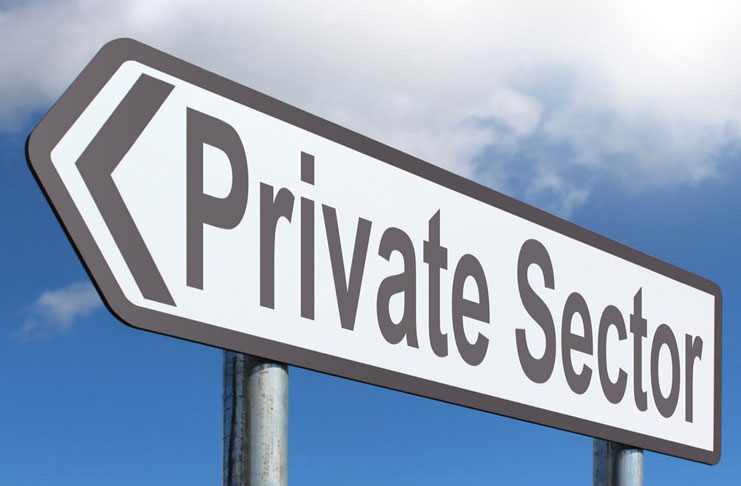
Moving back to the private sector

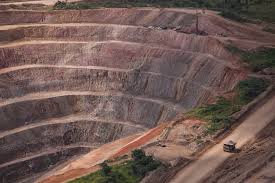
I was employed in the private sector for twenty years, took a position in the state government for thirteen years before returning to the private sector, I was ready to return to the mining industry.

What a revelation, after working in an environment rewarding low-performers, becoming an integral member of a high-performance team is gratifying. So why does the public sector reward such low-performance? Ok, it attracts a certain individual initially, they tend to fit in with the low-outcome culture and embed themselves in the meritocracy that they envisioned. Then, for the performers, the bureaucracy creates as many obstacles as they can to hinder performance.

High-performing individuals tend not to be promoted, instead the prevalence of favouritism, nepotism and cronyism abound. I broke free of the public sector and the public-sector mentality, the reason I never achieved my goals in the public sector were clear. I was asked to engage in corrupt behaviour and I flatly refused – I maintained my personal integrity.

So when I moved back to the private sector in a leadership position, personal attributes like values, integrity, credibility enhancing culture are desired. What I learned at business school is being applied in the workplace, not just the terminology but the principles. I had never worked in the government before, as a private sector employee I had learnt a certain work ethic, a standard of work and required attitude.

Yes, the government sector does attract a certain type of applicant and I learned that I couldn’t change their attitude. I can’t recall why I stayed working for the state government for so long, it is so depressing. The most obvious noticeable difference is work ethic, that goes without saying. A lack of both personal and organisational accountability fairly clear, leadership is a term thrown around pretty loosely.

Leadership posters are hanging on office walls everywhere, I struggle to recall any concrete displays of any leadership examples. Teamwork is also an obvious answer, for reasons I cannot fathom, teams just don’t seem to gel in government. However, if I got to select my own team then we would over-perform but these would be rare instances. So now I am back in the private sector, the mining industry employed on an international project and loving it. As an expat the role is pretty much leadership. There are no leadership posters hanging on walls anywhere but we are expected to display measurable leadership on a daily basis and I couldn’t be happier.


Diversification – how much is really required?

I am an investor, but not a trader anymore yet I am told I need to be diversified to lessen the effects of any downturns. Naturally this also limits the benefits of any upturns as well as you tend to average your gains as well as your losses. Reading about master investor Warren Buffett, he invests big in a single position; he doesn’t go for a great deal of diversification in Berkshire Hathaway portfolio, well not in the way that a hedge fund manager invests.

Warren advises people to invest in index funds if they don’t have the skills and knowledge to directly invest feeling that fund managers rarely out-perform the market as their fees are outrageous so they burn what little they make. In many respects I am diversified as I  have a managed superannuation fund with Australian equities, international equities, investment grade bonds, infrastructure, private equity, cash and fixed interest. Taking advice from accountants is never great – I try to avoid where possible.

I also have a self-managed superannuation fund that predominantly invests in Australian equities, cash and fixed interest. I could possibly look at some managed investments to round out the portfolio. As I move closer to retirement I will be seeking bonds as a hedge against short to medium downturns. I can’t complain, the managed fund offers a degree of diversification and still offers pretty decent returns although not spectacular.

An argument exists where in the earlier stages of retirement investments should still be reasonably aggressive as a twenty year projected retirement time scale is a pretty long time without an income coming in through the sale of labour or knowledge. The option exists to return to work, but nobody really wants that nor do they want to be living on handouts sleeping under a bridge. Retirement is a risk, that’s for sure, made even harder by government interference intent on getting their hands on the pot of gold you have worked for over the past 40 years.

A train journey down the Rhine

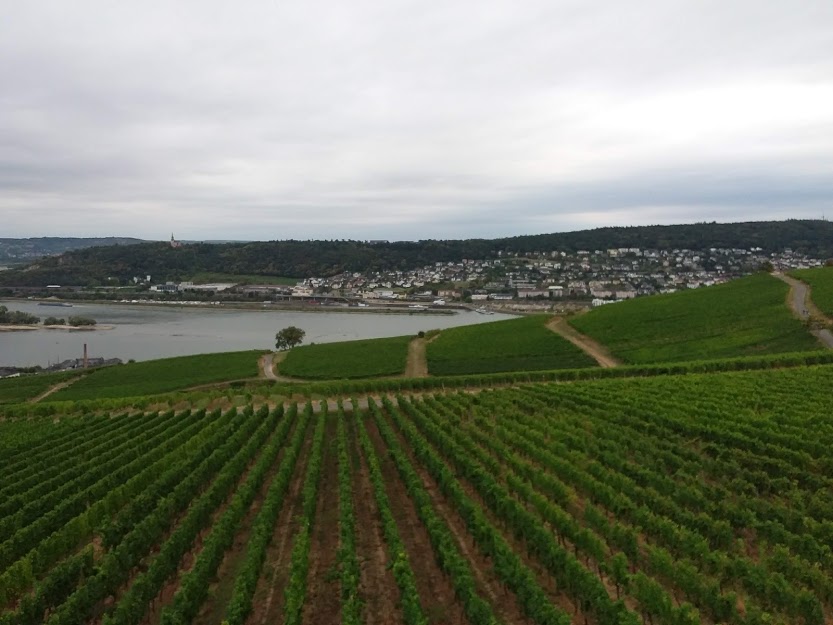
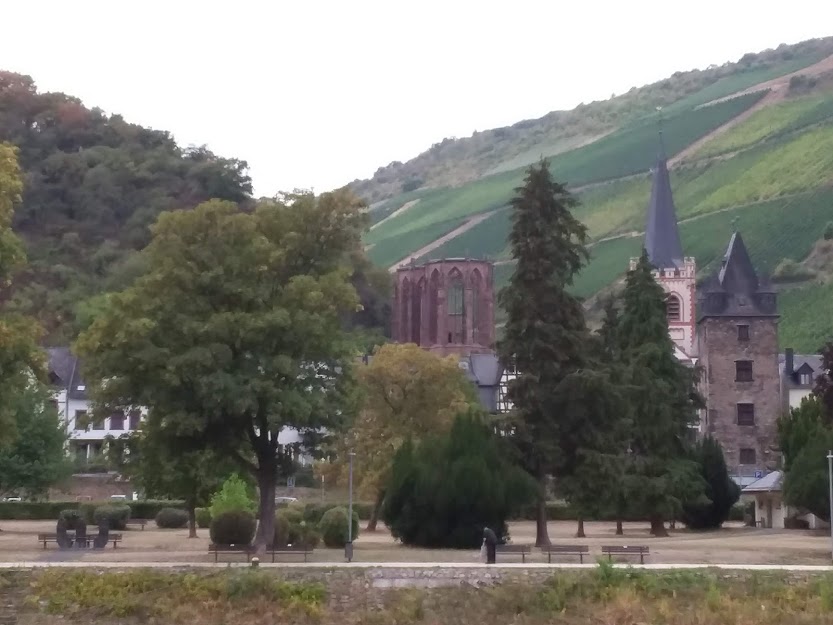
I had never taken a river cruise down the Rhine River, a train journey isn’t a bad option to start, the river cruise will come later though. The trip was from Frankfurt to Rüdesheim am Rhein was scenic, after the first train trip there were more to follow that were just as entertaining. The German countryside is certainly beautiful, leaving Frankfurt behind looking at castles and vineyards is a welcome break.

For myself, I question why I would need to hire a vehicle and deal with parking, possible traffic jams and navigating. Sitting in the train and looking out the window is an excellent way to spend my morning. When I get sick of that I can either read a book or tap away at the keypad of my tablet – loving the break.

Moving to the Congo

I landed this amazing job in the Democratic Republic of Congo, I am overjoyed and loving the honeymoon period. I actually enjoyed waking up and going to work as the job was fun and challenging. Sure, I get up early but it isn’t that difficult. I was in a cycle of staying up late, I went to bed after midnight and got out of bed at 6 am so the best I could hope for is six hours sleep. I was tired, it was a habit I had difficulty breaking, it was detrimental to my health.

These days I am up at 4 am, I wait for the mess to open at 4:30 am and on my way to work at 4:45 am. I am in bed at 8:30 in the evening by the latest so I actually increase my sleep by an hour and a half to two hours. I didn’t take this job to improve my sleep prospects, I took this job to improve my job prospects, save for my retirement and improve the lives of those whom I interact with. So where to from here? I want to rebuild my contacts, networking is the key for me so I have options moving forward in uncertainty.

A lack of professionalism

Now I am back in full-time employment in an enterprise learning and development environment, I look to the deficiencies of the public sector to not only gain perspective but to derive efficiencies for the betterment of trainees.

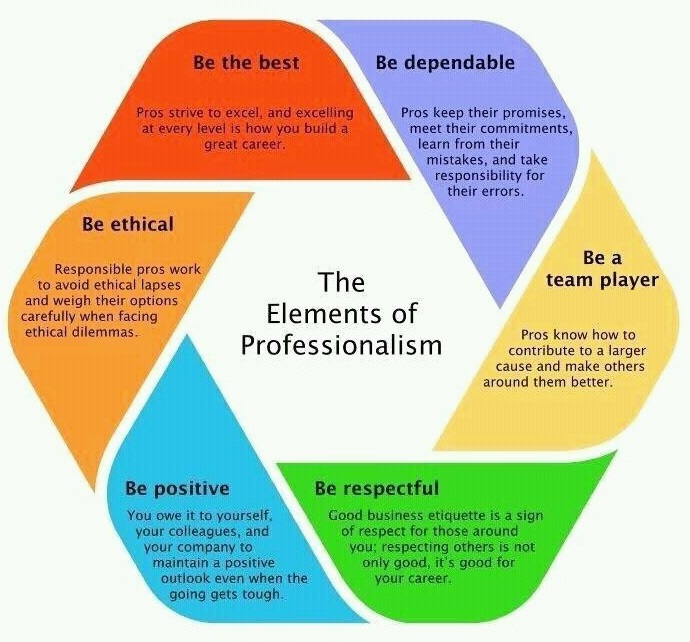
My former employer, a state government registered training organisation lacks the degree of professionalism the private sector demands. Senior management needs to learn private sector principles, this is difficult as the majority only have government experience. The government funds training to meet workforce development requirements. I want to ensure this lack of professionalism never occurs in this in this enterprise learning environment. This shouldn’t be too difficult to as the private sector expects a higher level of performance from personnel.

I can now reflect on the lack of professionalism of my former workplace and by default my former colleagues. That being said, there is a handful of highly professional practitioners, that then leaves a majority lacking both the polish and professionalism required. This naturally hurts the trainees, undermining standards and damaging the reputation of the training organisation. Let me expand, based on my personal experiences the state of the training aids were in poor condition and mostly in a non-operational state.

My attitude always was I care little of the state of the equipment when we start, I care about the end product or outcome. I would be challenged by trainees, “how are these guys passing then?” and I never really had a satisfactory answer as I would ask myself the same question.

These projects and assessments would be assembled incorrectly, frequently have parts missing or back the front, upside down or damaged. Fasteners would be loose, missing, stripped or cross threaded. My general approach was lock-step insofar as I would allow a degree of freedom to perform the tasks with an arbitrary stop-check sign-off along the way. There needs to be a fair degree of supervision along the process, as an academic leader, you need to be on top of this.

Before we moved to the next stage of assembly I would require an inspection by the instructor that involved referencing specifications, precision measurements including fits and tolerances, torque checks and lastly detailed individual component reports. I studied instructional design at university at both Bachelor and Graduate Diploma level so I could claim to be somewhat of an expert in the field. My area hence was instructional design but we had the lower-level who had neither experience, knowledge nor ability.

Poorly designed, I use the term designed very loosely as no andragogical principles were used learning materials were preferred. I prefer the term thrown together by people who couldn’t even be bothered to make the effort to take a basic two-day non-assessed fundamentals course let alone an entire qualification.

Trainees were given inefficient information at best and incorrect information at worst that either hindered their learning ability or taught them he wrong principles. When it came to assessment, theoretical tests were not linked to learning resources; as such, trainees were failing tests through no fault of their own.

The lack of professionalism was (and still is) a direct result of the leadership vacuum at all levels of the organisation. In a captive market and controlled market they can succeed to turn a profit through government funding including misappropriation of government funds that I identified and management covered up including systematic rorting and systematic bullying.

I love visiting Germany

Whenever I am in Germany, I am always in awe of how well this country runs. I have a healthy respect for Germans, they are analytical, well educated, disciplined and respectful. Well, this is based on my personal experiences anyway.

The people are fantastic, when I am in Europe, Germans stand tall as a bunch of people. I like hanging with Germans, they are forthright and honest. The country is beautiful, very scenic and I love their history, there is plenty to see and do. Now, just about every European trip requires part of my holiday in Germany. Needless to say, this country is efficient and well run. I certainly respect German efficiency, based on my personal experiences everything works, the rail system is great in the cities, between cities and through country areas.

Mühle-Glashütte

I had not heard much of Mühle-Glashütte before my trip to Glashütte, I was under the understanding that ten manufacturers operated from the small German village of Glashütte and I wanted to find out more.

As it turned out, I never purchased a Mühle-Glashütte. This is not because I didn’t like their timepieces, but because they tend to specialise in dive watches and I have plenty of those already. I was looking more for a dress watch with a leather band and this wasn’t their specialty. However, as a guy interested in the field of horology I am certainly interested in both the history of the village of Glashütte and as a manufacturer of the calibre of Mühle-Glashütte. Previously, I had only ever seen their timepieces displayed in retail outlets in Germany; certainly nowhere outside of Europe.

What I did know was Mühle-Glashütte had a solid background in marine instruments as well as dive timepieces. I wanted to further research their line to see if they had yachting timers that countdown a race start as well as general water resistant models. Whilst I won’t be purchasing from their line, I do love researching a lesser known high quality manufacturers. Mühle-Glashütte manufacturers marine instruments such as barometers and hand wound marine clocks that look fantastic mounted in the cabin of a vessel.

Flying Ethiopian Airlines

To be honest, I hadn’t heard any good comments about Ethiopian Airlines but my next best option would be to still be in the air when I should be on break. That would be four days lost on my break so I decided to give it a go.

The aircraft was a Boeing 787 Dreamliner that was clean, looked new and appeared reasonably well maintained. I have no access to the service records so I had to quickly view the exterior of the aircraft and the condition of the interior. Both exterior and interior looked more than reasonable so the stories I had heard may have been overstated. I checked the tyres as we walked out to the aircraft on the apron, that is usually a reasonable indicator of the state of maintenance.

As I walked down the aisles the seats and overhead lockers were in excellent condition, maybe the horror stories I had been told were just stories. Sure, an Ethiopian Airlines 737 MAX had crashed the week before, this was unfortunate but as we later learned, Boeing had built fatal development flaws into this aircraft.

My experiences on Ethiopian Airlines were all positive, the staff were decent, the aircraft were all new and looked to have decent maintenance. I suspect the stories I heard were from people who had never flown this airline before or if they did it was a long time ago. In my view Ethiopian Airlines is a fairly decent African airline that is trying to build a niche market position in African aviation and doing a reasonably decent job of building a reputation. Would I fly this airline again, for me, the answer is yes.

Visa Inc

Possibly one of the best known brand logos in existence, Visa Inc is a global corporation based in California, United States. This business model has pretty much encroached on every life in the developed world as there aren’t too many people without a credit card; there are plenty of lives in the developing world taking advantage of easy credit as well. 

Interestingly, Visa Inc does not issue credit cards, instead banks and increasingly so general businesses issue Visa branded credit cards with Visa Inc providing financial solutions for payment. I find it extraordinary that such a financial services business could be built without actually issuing their own credit cards, instead relying on payment systems generating a percentage of the sale. 

This is a highly profitable business now relying on electronic transactions as opposed to the old style paper transaction that also required a phone call to verify the purchaser’s credit worthiness. Visa Inc is offering new financial products to ensure this business maintains its competitive advantage and is well placed for the future.