
Patronage is typically described as the practice of rewarding allies and supporters with important positions based on their partisan loyalty. This is generally aligned to political appointments where department heads are appointed based on political persuasion, favours owed or to engage in the stacking of organisations with compromised people who will pursue a political agenda.
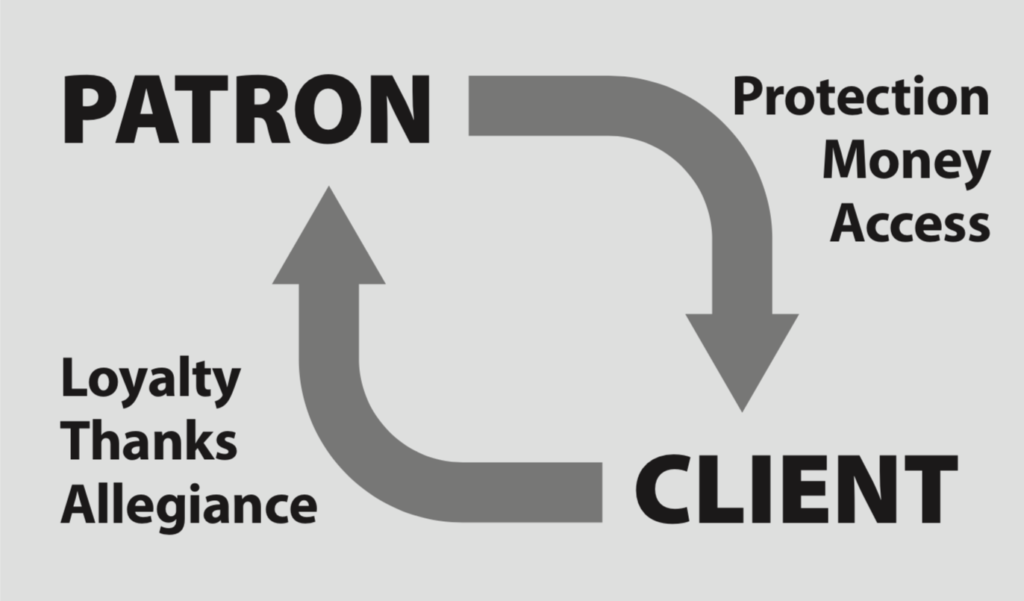
In a workplace setting, especially in government departments, patronage may be described as awarding supporters positions of power without meeting selection criteria. These rewards are offered to individuals who will consolidate a power base to the appointer. Typically, these are not the most competent individuals, they are rewarded for their loyalty to the appointer. These individuals are selected to a degree for their ability to do anything to keep their role, they will execute the instructions of their benefactor without question or remorse.
They offer a degree of support, or as a favour owed and will do the dirty work for their master in return for the gifted position. The appointee will exert proxy power through their hand selected cronies, this provides a fairly high degree of power to be exercised for these individuals within the department where they operate. When an organisation has a mission, values and vision statement, the appointer can keep at arm’s length to claim they have not breached any standards.
Generally these individuals are unlikely to progress on their individual merits, they are typically not a threat to the authority of the leader. As such, the leader does not feel concern for their position, whilst they may have the ambition, they typically do not have the knowledge, skills or abilities to pursue independence. They follow the directions of the appointer, they are not chosen for their abilities, they are appointed into a role where they act under the authority of appointer.
These appointees are generally aware of their limited abilities and know they can be replaced with another person offering absolute loyalty should they get a little too ambitious or display rebellious ideas. They enjoy the power they exert through the authority they are entrusted, they are offered protection as reward for their efforts so the appointer can typically claim to operate with some level of integrity. This is a difficult concept to grasp for many of the staff in these departments as they are ridden roughshod over, they know the truth.
 Observations in an undemocratic world