
When I think about the chronograph, I think about 1950s and 1960s motorsport where lap times were recorded with stopwatches. The wrist mounted stopwatch, or chronograph complication was particularly suited to motorsport and other racing events where lap timing was required by team members. This classic design is highly sought after, a mechanical chronograph is a work of engineering art.
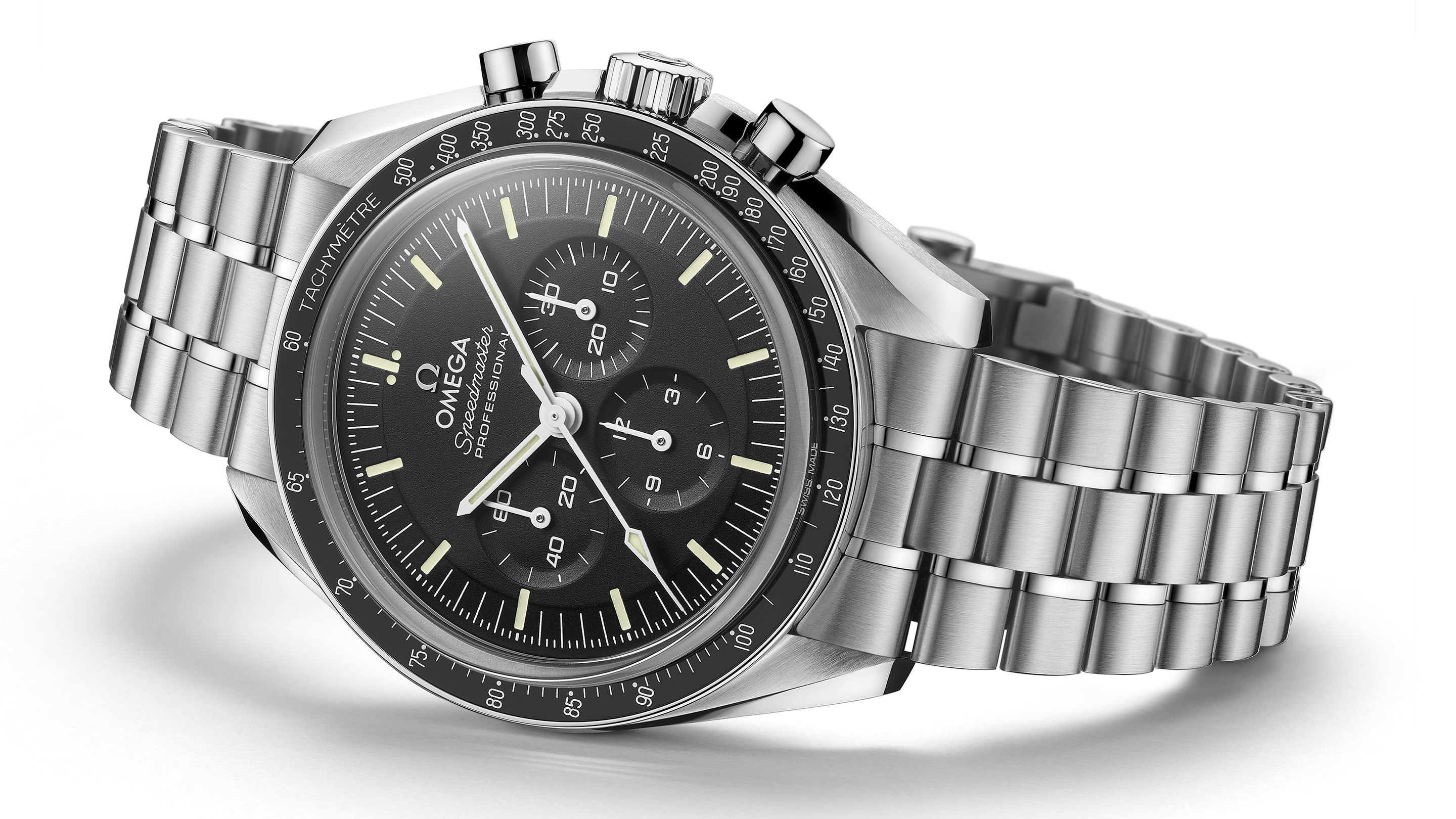
The Omega Speedmaster was originally a motorsport chronograph, that was until NASA astronaut Wally Shirra introduced the Speedmaster to the NASA hierarchy. What ensued was a series of strict testing protocols that saw the Speedmaster meet every test. Every other brand that submitted a timepiece failed the testing process. There was only one timepiece that passed all tests and that was the Speedmaster. What I like about the Speedmaster is the design barely deviates from the original 1957 design, Omega got the design right the first time.
The Rolex Daytona was ironically a failure of sorts when first released, what I read is retailers were unable to sell the Cosmograph Daytona at the time, they were notoriously hard to move by all accounts. Now, if you can get one, you will be paying a huge premium. First you need to be placed on a waiting list, this could be two or more years and even then, you need to be a known customer of the autherised distributor.
The Zenith El Primero is an interesting timepiece, in the 1960s when watchmakers were racing to develop a wrist mounted chronograph, Zenith was well advanced in design and development. When the quartz crisis hit the industry in the 1970s, Zenith went under and if it was for a highly motivated Charles Vermot who refused to destroy the drawings and hid the tooling, the reference 16500 series movement would not have been the success that it is. The modern incarnation of the El Primrro is a fantastic looking chronograph with ceramic bezel and three colour sub-dials, this is a modern version of a classic design that has improved over time.
Jack Heuer was behind the development of the Carrera, inspired by the Panamerican road race, the Carrera design managed to get all the proportions right. Through the years, there have been many versions of the Carrera, some too big and garish, but you dtill cannot beat the classic design of the early Carrera designs.
Steve McQueen wore the Heuer Monaco in the 1971 movie Le Mans. Whilst I believe the Carrera is the iconic Heuer chronograph, the Monaco deserves special mention as the square case is so distinctive. This chronograph will not work for everyone, but what I like about the Monaco is the wrist presence that the square case provides.
Heuer features heavily in motorsport, in the 1960s and 1970s Heuer released a multitude of motorsport styled chronographs. Pretty much the entire Heuer offering was the chronograph at one stage. The Autavia launched in 1962 was based on dash timers, so the Autavia was very much a functional timer. The name Autavia itself comes from aviation and automotive heritages, this could possibly be the most functional of the Heuer chronographs.
Whilst the chronograph is traditionally aimed at motorsport, the Breitling Navitimer is very much aviation inspired. A circular slide rule, the Navitimer was a pilot’s timepiece and used to assist pilots calculate a whole host of functions. To be absolutely honest, these calculations are beyond me, but I still love the aesthetics of the dial even if I cannot use the circular slide rule to its potential.
 Observations in an undemocratic world