
In a case that has pretty much divided Australian opinion, the sexual assault case brought against Bruce Lehrmann has been abandoned with no decision against the accused. Lehrmann has strenuously denied any sexual activity took place, Higgins was unable to prove her allegations in court. A mistrial was declared after one of the jurors consisting of eighth women and four men undertook personal research on false rape accusations and was discovered by chance.
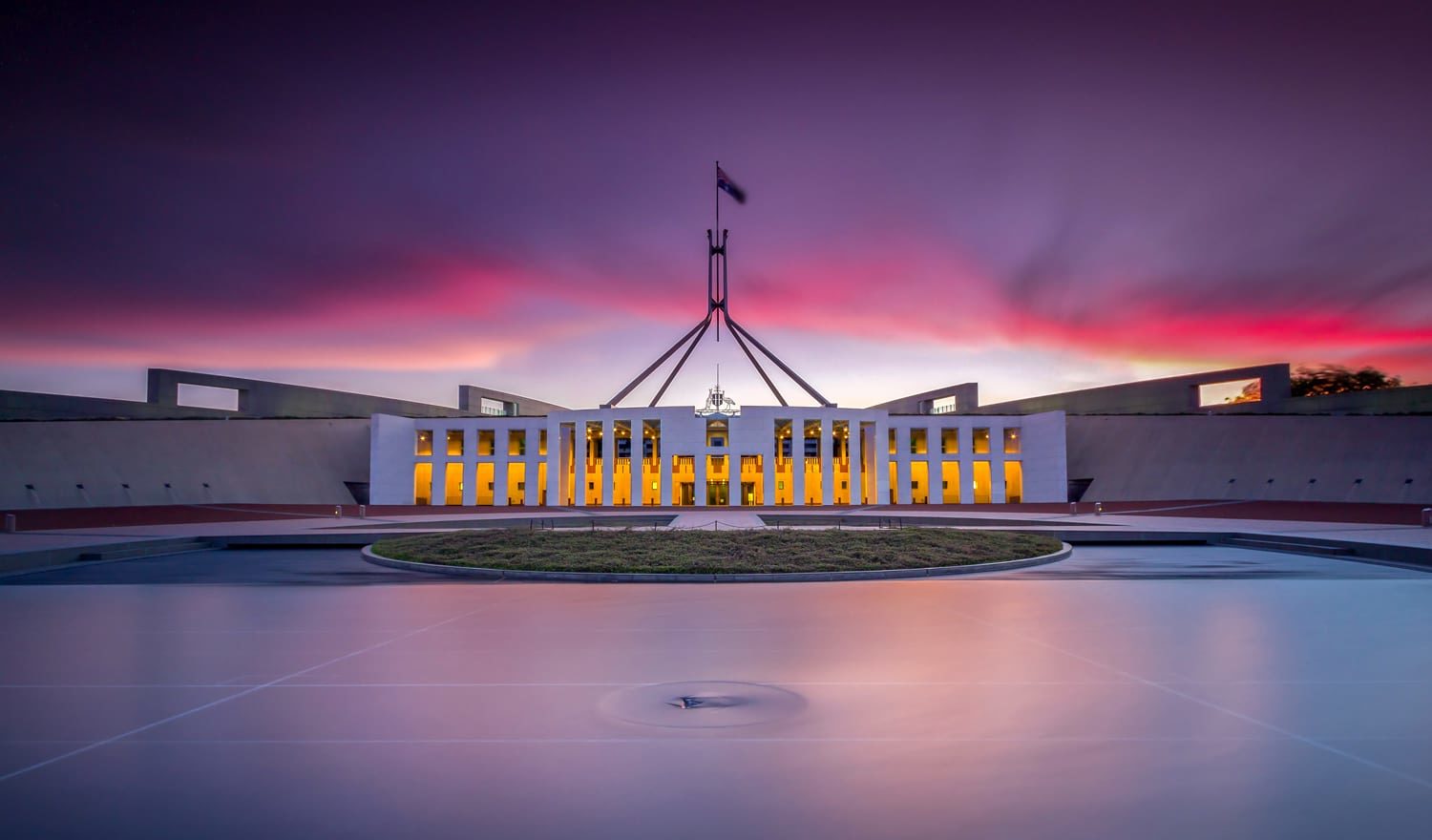
Do I claim to know what happened in Linda Reynold’s office that night? I do not. Do I claim to have an opinion on either the veracity of Higgin’s accusations or of Lehrmann’s innocence or guilt? I do not. What I am doing is analysing the events leading up to the court case and the role of the media in this case. This is a case of trial by media, there has been an agenda throughout this whole affair and it is concerning.
So what do we actually know about this case? Brittany Higgins accused former political staffer Bruce Lehrmann after a boozy night out in Canberra where they both returned to Parliament House after hours. They entered the office of Minister Linda Reynolds where the alleged assault took place. Bruce Lehrmann was dismissed from his position for breaching security; interestingly, Higgins kept her job. This is uncontested, the facts have been tabled in the ACT court and reported in the media.
Brittany Higgins became the spokesperson for sexual assault in Australia, I very much doubt few people would have issues with preventing sexual assault in this country. The Australian #Me Too movement has become involved, The role of Lisa Wilkenson and her Logie speech forced a delay in the trial, this loss of the presumption of innocence for the accused.
The legal system is structured on a number of tenants. Firstly, the accused is innocent until proven guilty in a court of law. Depending on their risk to the community, the accused may be remanded in custody or granted bail – this is the job of the court. Secondly, there is admissibility of evidence, this is the standard of proof determining the importance of evidence in the proceedings and the gravity of matters related to the question.
Thirdly, there is cross examination by the defence to challenge and test the evidence in a contested legal matter. This is based on the precedence of Browne v Dunn (1893), the basis of this rule is fairness where a procecution cannot rely on evidence that is contradictory to the testimony of the witness without putting the evidence to the witness in order to allow them to attempt to justify the contradiction. So, if a prosecutor wishes to enter evidence, the opposing party has the right to raise the contention in court to challenge the evidence.
What happened to the prosecution [Higgins] made their case and the defense [Lehrmann] was afforded the opportunity to challenge the testimony given by Higgins and other prosecution witnesses. Outside the court, Higgins complained on camera that she had been subjected to cross examination and Lehrmann sat there detached. Lehrmann was not called as a witness in court, he had been questioned by police and later charged where he was required to make a statement. Well, this is what happens at trial, the prosecution has to outline their case and the defense has the right to cross examine the presented evidence.
 Observations in an undemocratic world